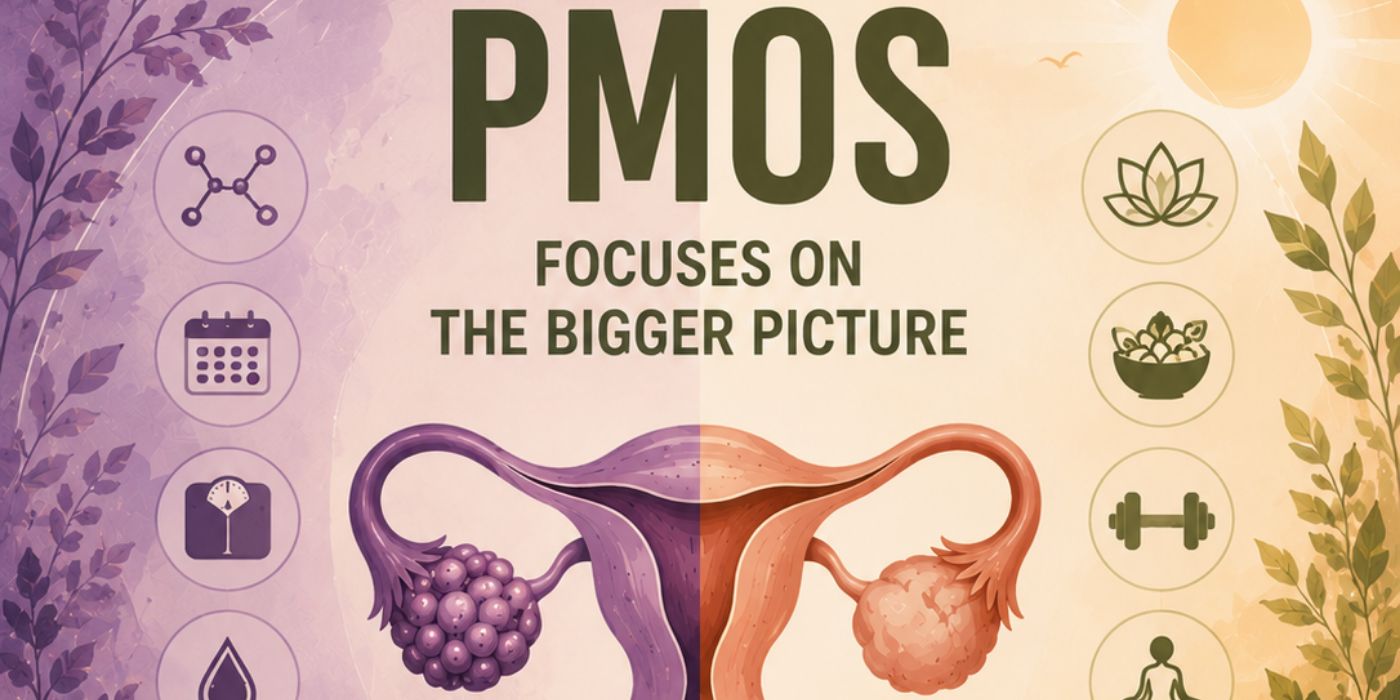

Polycystic Ovary Syndrome (PCOS) is now being renamed Polyendocrine Metabolic Ovarian Syndrome (PMOS), a shift experts say better reflects the true nature of the condition. Instead of focusing only on the ovaries, the new name highlights that PMOS is a full-body endocrine and metabolic disorder that impacts hormones, insulin, weight, skin, mental wellbeing and reproductive health.
Doctors say the terminology change matters because PMOS is far more complex than the old name suggested. Many women with the condition do not actually present with ovarian cysts, which has historically contributed to dismissal, delayed diagnosis and mismanagement. The updated name acknowledges the wider picture, emphasising that PMOS affects multiple systems rather than being confined to gynaecological symptoms.
.jpeg)
PMOS can influence hormones, insulin resistance, weight and metabolism, skin and hair, mental health and fertility. Symptoms vary widely between individuals and may include irregular periods, acne, facial hair growth, hair thinning, weight struggles, fertility challenges and fatigue. Some people experience several of these symptoms while others only have a few, which is why clearer diagnostic guidance is considered essential.
Experts note that around one in eight women worldwide are affected by PCOS or PMOS, yet many remain undiagnosed for years. The belief is that the old terminology contributed to confusion and stigma, as it failed to communicate the disorder’s metabolic and hormonal components. The updated name is expected to improve clinical understanding, encourage earlier intervention and lead to more accurate pathways for treatment.
.jpeg)
The transition from PCOS to PMOS will happen gradually over the next few years as healthcare organisations update medical guidelines, research terminology and public-facing educational material. For now, both names will continue to appear side by side to help patients and clinicians adjust.
Many women have welcomed the change, describing it as a long overdue step towards better recognition of a condition that has often been misunderstood or minimised. One person commented,
“The name change is VERY significant as it means it will be harder for them to just 'fob you off' just because you do not present with cysts in your ovaries. They will have to be more diligent to investigate and treat your symptoms. Let's see how this plays out though!”
Another said,
“Slow progression but progression nevertheless, it is being taken more seriously and more research is going into it!”
Medical organisations have echoed this optimism, noting that a clearer name can promote improved awareness campaigns, reduce harmful stereotypes and support more targeted research funding. As patients, clinicians and advocacy groups adjust to the shift, many hope that PMOS will lead to a stronger understanding of the condition as a metabolic and endocrine disorder rather than an issue defined solely by ovarian cysts.
The renaming represents a meaningful cultural and medical shift, reinforcing that PMOS deserves comprehensive treatment and recognition. While the transition will take time, many see it as an important move towards better care, clearer diagnosis and increased awareness for the millions of women living with the condition worldwide.
.png)


.png)
.png)
.png)
.svg)
.svg)
.svg)