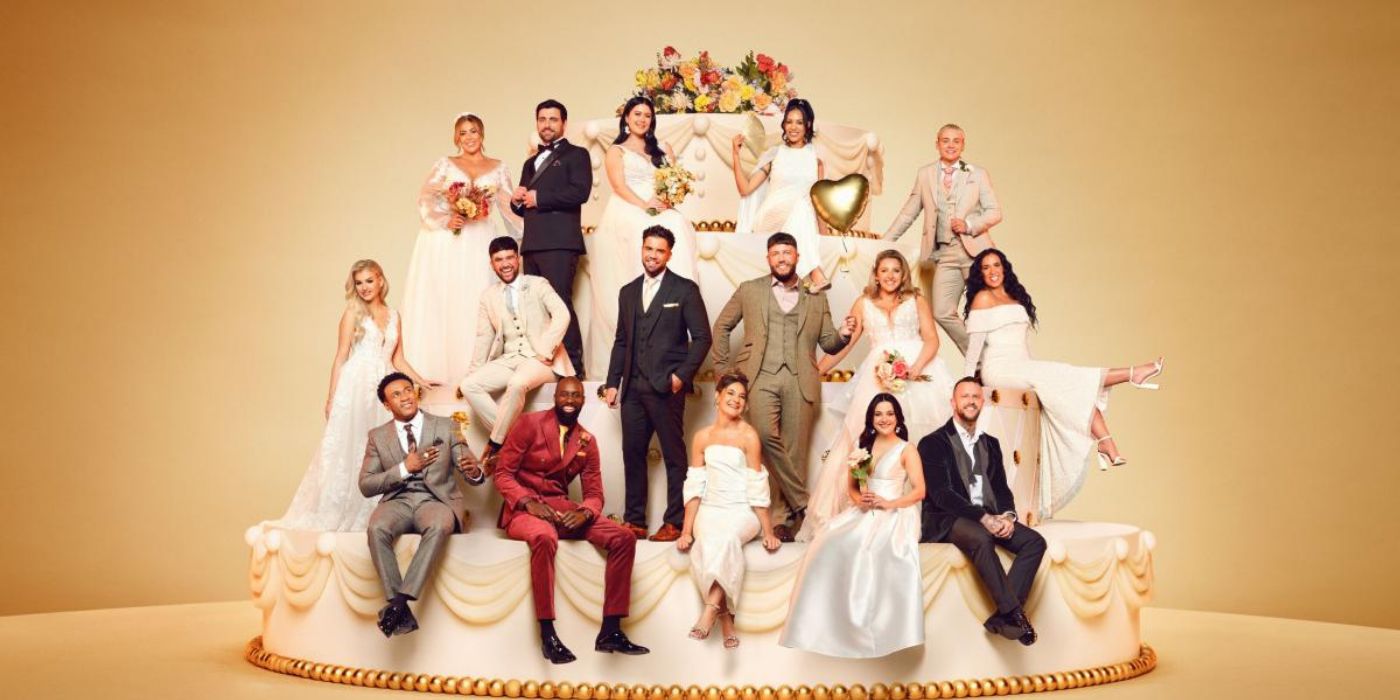

Married at First Sight UK, one of Channel 4’s flagship reality formats, is at the centre of a major controversy following revelations that several former participants have accused their on-screen husbands of sexual misconduct and assault, allegations that will be explored in depth in a forthcoming BBC Panorama documentary.
The documentary, titled The Dark Side of Married at First Sight, is due to be broadcast on BBC One and focuses on claims made by three women who previously appeared on the series. Two of the former participants allege they were sexually assaulted by the men they were matched with during filming, while a third describes instances of non-consensual conduct.
The individuals involved have not been publicly named, and the men accused of criminal behaviour deny all allegations. Channel 4 and the production company behind the show, CPL Productions, have both maintained that their welfare protocols are robust and comprehensive, but the allegations have nevertheless raised significant concerns about how reality television manages participant safety.
In response to the claims, Channel 4 removed all existing episodes of Married at First Sight UK from its streaming services and social media channels. This move followed the broadcaster being presented with serious allegations of wrongdoing against a small number of former contributors, which Channel 4 has described as “wholly uncorroborated and disputed”.
A statement from Channel 4 said they were mindful of their duty of care towards contributors and could not comment on specific details of the allegations. The broadcaster added that when concerns about welfare were raised,
“Prompt and appropriate action was taken based on the information available at the time”.

Chief Executive of Channel 4, Priya Dogra, emphasised that it would be inappropriate to comment on the allegations directly, while underlining the network’s commitment to contributor welfare. She said that the broadcaster had acted quickly and sensitively in response to concerns, and that wellbeing remained a priority.
BBC Panorama presenter Noor Nanji is understood to have interviewed the three women as part of the investigation, which also raises questions about whether welfare procedures on the show were sufficient to protect vulnerable cast members. The synopsis for the documentary states that some contributors may have been left at risk of harm due to alleged weaknesses in existing safeguarding measures.
Married at First Sight UK has aired ten series since its launch and remains one of the reality genre’s most watched formats in the UK. The series sees complete strangers matched together by experts and married on their very first meeting, before spending eight weeks living together to see if a long-term relationship will develop. The format is non-legally binding, and at the end of each series couples decide whether to remain together or separate.
The allegations documented in The Dark Side of Married at First Sight represent the most serious criticism the series has faced since it first aired in 2015. Previous concerns about the show’s handling of contestant safety have surfaced over the years, but none have matched the severity of the current claims.
The controversy has also rekindled wider debates about how reality television handles sensitive issues, including the responsibility of producers and broadcasters to safeguard participants who may be vulnerable or at risk. Critics argue that the format’s intense and emotionally charged structure can put pressure on contestants, raising ethical questions about consent, support and accountability within the genre.
The Panorama documentary will explore these issues in detail, and viewers will see in-depth testimony from the women involved. Both Channel 4 and CPL remain under scrutiny as the independent review into welfare practices continues, and the series’ future beyond the current broadcast remains uncertain as the investigation unfolds.
.jpeg)
Amid the widespread discussion, reactions from the public have been mixed, with many questioning the nature of reality television and how far responsibility extends when a programme places participants in emotionally complex situations. One commenter said,
“I’m not surprised, there’s a percentage of men who only get married for access to sex whenever they want.”
Another wrote,
“This is why the ‘experts’ irritate me because they’re always pushing the couples into having sex and make it seem like you’re wrong if you don’t want to. It’s already strange marrying a stranger then they add pressure for intimacy.”
As the Panorama episode airs and more details emerge, the allegations against Married at First Sight UK are likely to fuel ongoing discussions about duty of care, consent and the responsibilities of broadcasters and producers in the reality television industry.
.png)


.png)
.png)
.png)
.svg)
.svg)
.svg)