

A common health condition affecting millions of women worldwide may soon have a new name, as medical experts push to improve awareness, diagnosis, and treatment. For years, Polycystic Ovary Syndrome (PCOS) has been misunderstood because of its name. Although the condition is often associated with cysts on the ovaries, specialists say the disorder is far more complex than the title suggests. Many women with PCOS do not actually develop ovarian cysts, while others experience a wide range of hormonal and metabolic symptoms that are frequently overlooked.
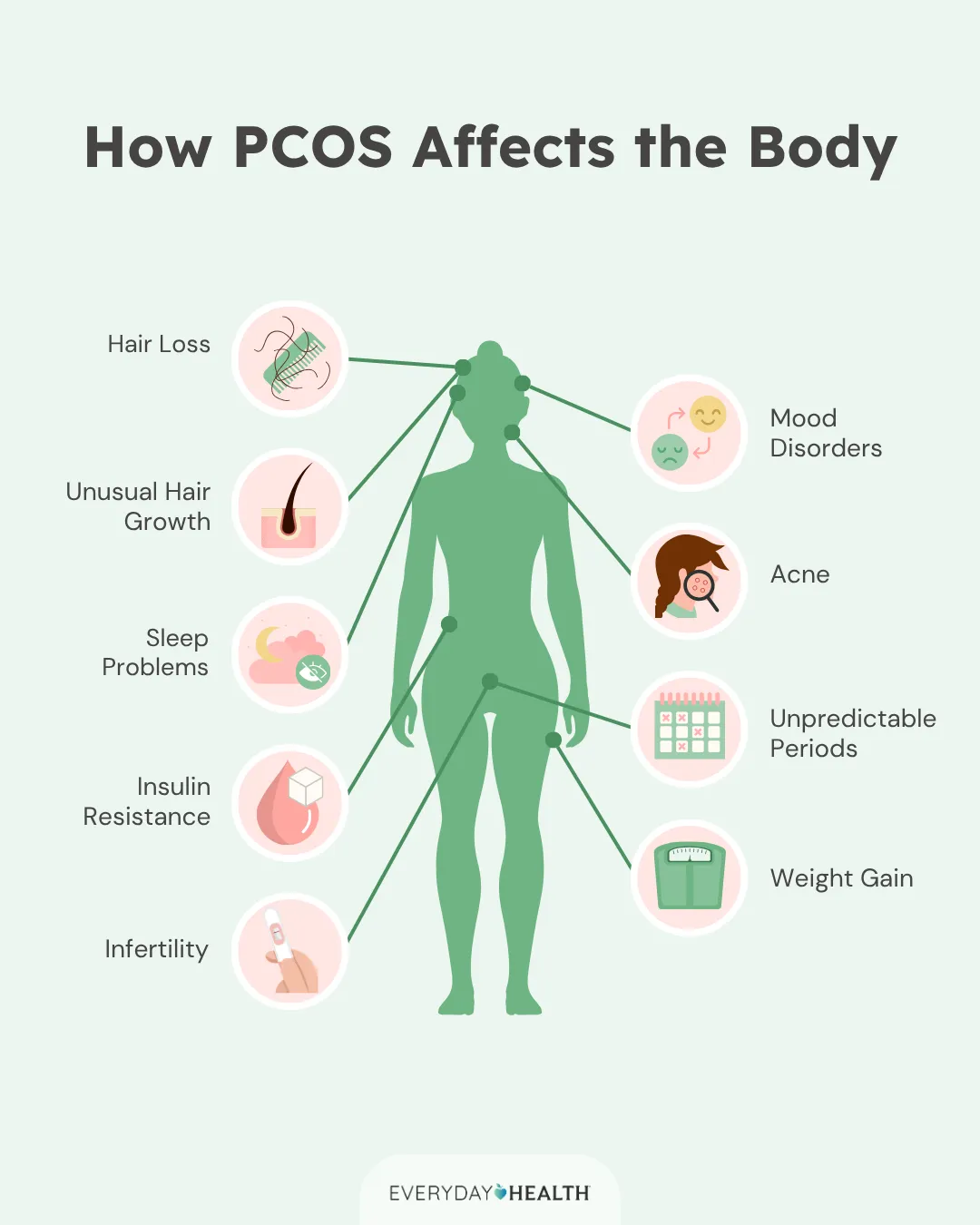
PCOS is a hormonal disorder that can affect fertility, metabolism, and overall health. Symptoms may include irregular menstrual cycles, difficulty becoming pregnant, excessive hair growth, thinning hair or female-pattern baldness, weight gain, insulin resistance, and an increased risk of developing type 2 diabetes and cardiovascular disease.
According to the World Health Organization, between 10% and 13% of women of reproductive age are affected by the condition globally. Despite its prevalence, experts estimate that nearly 70% of women with PCOS remain undiagnosed.
The condition is also considered the leading cause of anovulation — a condition where the ovaries fail to release an egg during the menstrual cycle — making it one of the major contributors to infertility in women around the world.
Health professionals and advocates believe the current name places too much emphasis on ovarian cysts, which can distract from the broader hormonal and metabolic nature of the disorder. They argue that this misunderstanding has contributed to delayed diagnoses, limited public awareness, and inadequate treatment for many patients.
Efforts to rename the condition have been underway for more than a decade. The initiative, recently detailed in the medical journal The Lancet, involved 14 years of collaboration between international researchers, healthcare professionals, and women living with the condition.
Among the leaders of the movement is Professor Helena Teede of Monash University in Australia, who has spent decades researching the disorder and treating patients affected by it. She explained that newer research has shown the condition is not defined by abnormal ovarian cysts, but rather by a complex combination of hormonal and metabolic changes.
Professor Teede said many women have suffered because the condition has historically been misunderstood, resulting in delayed medical support and poor access to care.
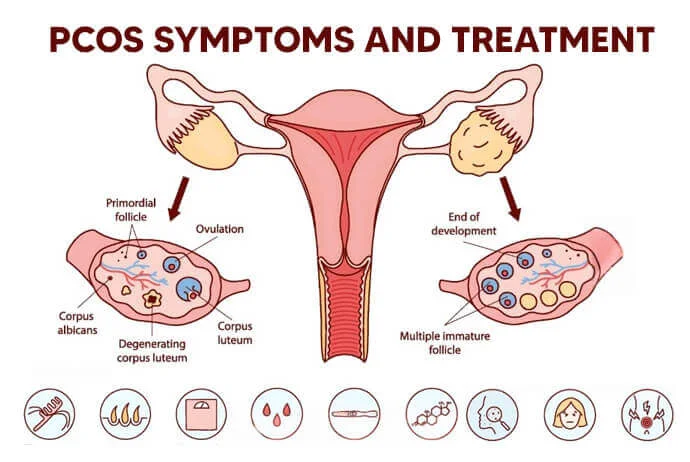
Although there is currently no cure for PCOS, many symptoms can be managed effectively through lifestyle changes and medical treatment. Maintaining a healthy weight, exercising regularly, and following a balanced diet can help improve symptoms, particularly for women who are overweight.
Doctors may also prescribe medications to regulate menstrual cycles, support fertility, or reduce symptoms such as excessive hair growth. In some cases where fertility treatments are unsuccessful, a minor surgical procedure known as laparoscopic ovarian drilling may be recommended.
Experts hope that renaming the condition will encourage earlier diagnosis, improve public understanding, and help more women receive the treatment and support they need.
%20-%201.PNG)


%20(1).PNG)
.png)
.png)
.svg)
.svg)
.svg)