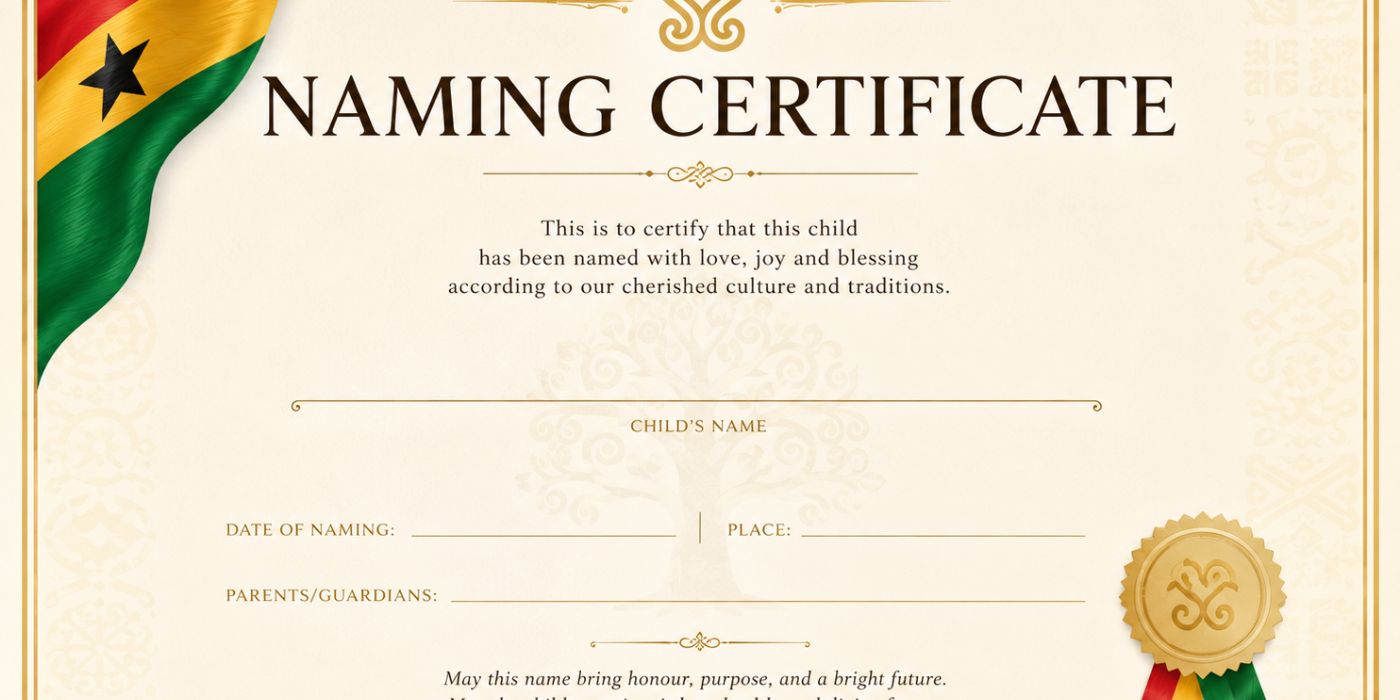

A social media user has triggered a lively cultural conversation after posting a video questioning the long standing tradition of Ghanaian parents giving their children English names that, in his view, feel outdated or disconnected from modern identity. In the clip, he reflects on how certain names have become so commonly used in Ghanaian households that they are now instantly recognisable, regardless of their supposed English origins.
In the video, he says,
“As Ghanaians, we got to start asking our parents, why did they give their children such old school English names? At this point, some old English names aren’t actually English, the Ghanaian.”
He goes on to list examples which, to him, have become identifiers of Ghanaian heritage, even if they originally came from outside the culture. He adds,
“When I see a girl and her name is Gifty, I know she's Ghanaian. When I see somebody and their name is Eben, I know they're Ghanaian. Desmond, I know they're Ghanaian.”
According to him, these names have formed a pattern so strong that they have become cultural markers in themselves.
.jpeg)
The discussion has opened up wider questions about why many African parents, not just Ghanaian ones, opt for English or Christian names. One common explanation centres on social mobility, with some families believing that English names might offer their children better chances in career fields where bias still exists. Studies over the years have suggested that ethnic names can sometimes receive different treatment during job application processes, which has led some parents to choose names they feel may help their children avoid discrimination.
Another strong cultural factor is religion. Christianity has deep roots across Ghana and much of Africa, meaning many parents name their children after Biblical figures as a reflection of faith. Names such as Michael, Ebenezer, Sarah, Joseph and others carry religious significance and are widely chosen to honour spiritual beliefs, family traditions or church influences.
.jpeg)
Underneath the humour of the original video, many viewers felt the conversation was an important one about identity, heritage and the balance between cultural pride and practical realities.
Social media users quickly joined in with their own thoughts. One commenter wrote,
“Gifty is the Ghanaian trademark! Same for Abigail and Prince.”
Another said,
“They shouldn’t have to give us no English names at all…we are Africans…we are Ghanaians…I’ve never heard an English person called Kwadwo or Maame Yaa."
Another added,
“Old school and Christian names have Ghanaians in a chokehold!”
For some, English or Biblical names represent tradition, religion and aspiration. For others, there is a growing desire to reclaim indigenous names that more clearly celebrate Ghanaian culture and identity. As conversations like this continue to trend online, many are hoping it encourages more families to reflect on the stories and significance behind the names they choose, with a broader appreciation for both cultural heritage and personal expression.
.png)


.png)
.png)
.png)
.svg)
.svg)
.svg)