%20(3).png)

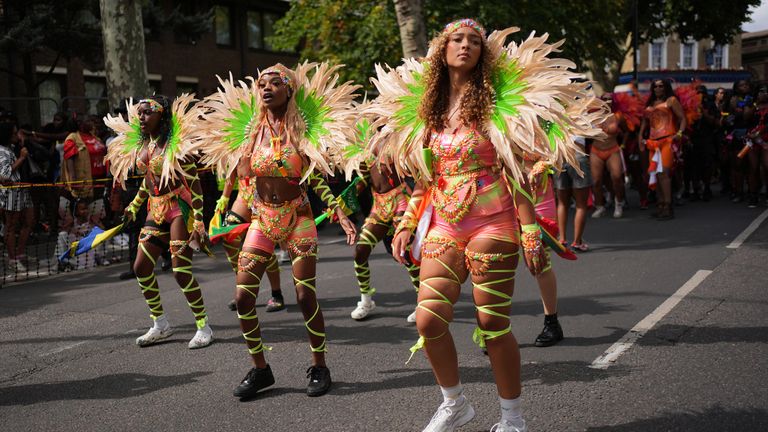
Notting Hill Carnival has returned to the streets of west London for its 60th anniversary, but alongside the feathers, flags and sound systems, attendees have also encountered a more visible security presence, including portable walk through metal detectors.
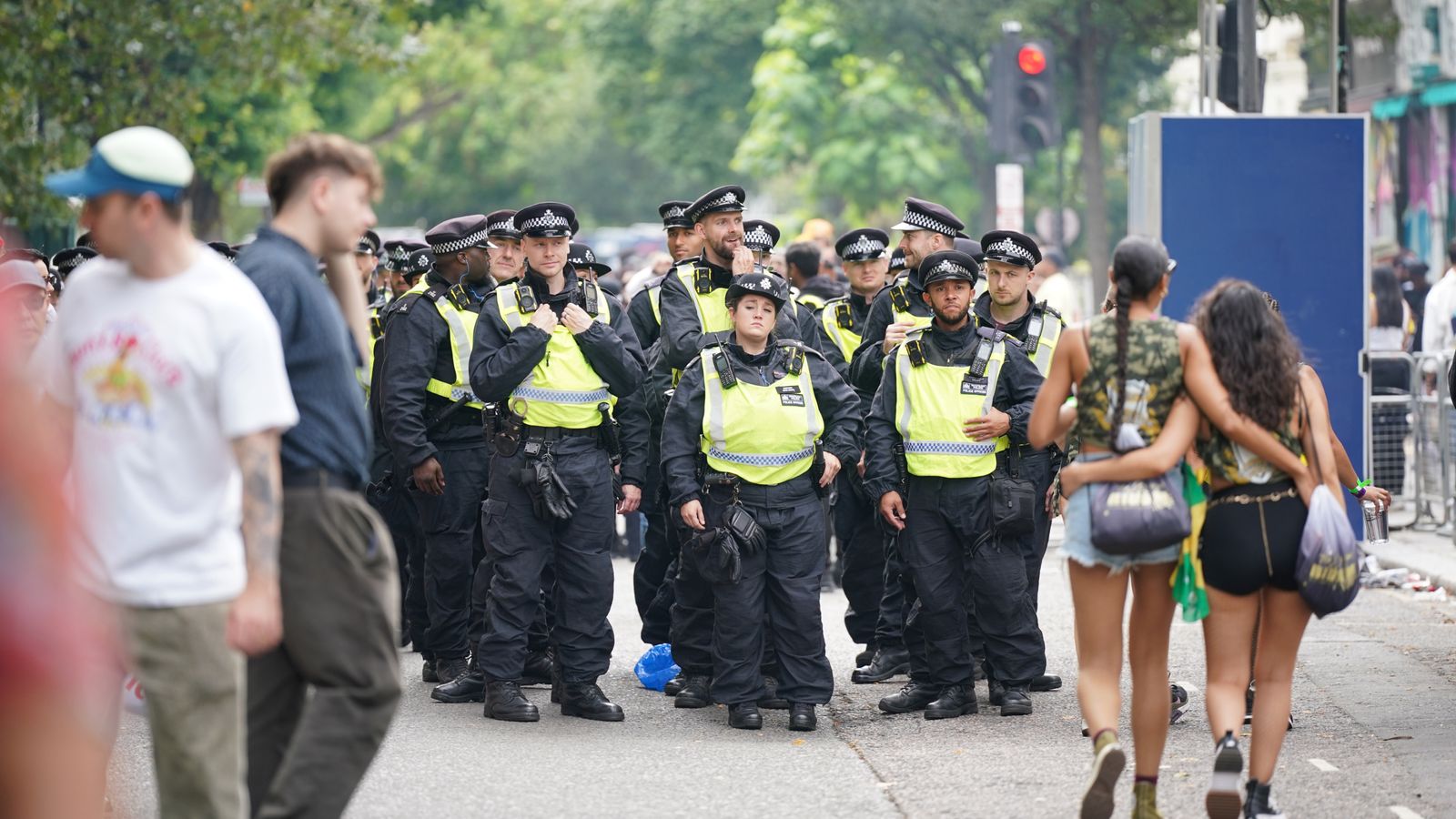
The Metropolitan Police deployed the detectors at a number of entry points around Carnival as part of a wider operation aimed at tackling crime and improving safety for those attending the annual celebration.
The move comes as authorities continue to face pressure over safety at the event, particularly surrounding knife crime and serious violence. More than 7,000 officers have been deployed across west London over the Bank Holiday weekend, with police also using targeted stop and search and an increased number of live facial recognition cameras. A Section 60 order has also been put in place, giving officers additional powers to search people for weapons.
Ahead of Carnival, police also took preventative action against individuals believed to pose a risk, with more than 330 people subject to bail conditions preventing them from attending the event.
The additional security comes following years of debate surrounding crime at Carnival. In 2025, police recorded 528 arrests across the two main days, including 50 arrests for possession of offensive weapons. This year, 169 arrests had already been made by 7.45pm on Sunday, for offences including possession of weapons and drugs, assaults and sexual offences. Police also responded to two knife attacks, although neither resulted in life-changing or life-threatening injuries.
The Met says its proactive approach has contributed to a reduction in serious violence, but the sight of portable metal detectors has sparked conversation online.
Some social media users mocked the measure, questioning how effective a handful of portable detectors could be at an enormous open street event with numerous ways to enter, while others branded it a waste of money and public resources. On the other side of the debate, some argued that any measure capable of intercepting weapons before they reach packed crowds is worthwhile, while questioning whether even more could be done to properly safeguard attendees.
The discussion comes amid an already expensive security operation. Policing Carnival reportedly cost the Met £15.7 million in 2025 alone, while the overall cost of staging, policing, stewarding and cleaning up the event was estimated at around £21 million.
With millions descending on west London for one of the world’s biggest celebrations of Caribbean culture, balancing Carnival’s open, community-led nature with the security demands of an event of its scale remains an ongoing challenge.
.png)


.png)

.jpeg)
.svg)
.svg)
.svg)