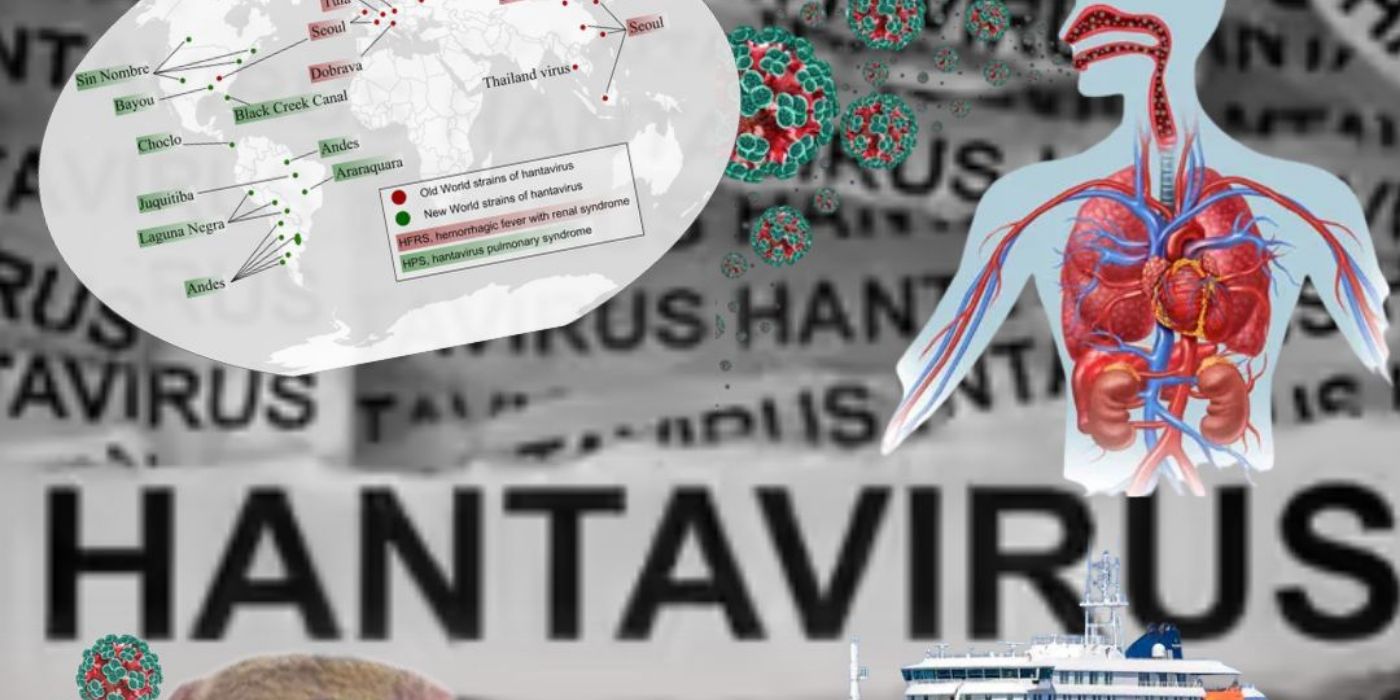

Hantaviruses are a group of viruses carried mainly by rodents such as mice and rats. People can become infected when they inhale particles from rodent urine, droppings or saliva. Different strains exist around the world and some can cause severe illness, ranging from mild flu like symptoms to life threatening conditions depending on the strain and speed of diagnosis.
The World Health Organisation has warned that hantaviruses are a significant public health concern in some regions, noting that they are “transmitted to people primarily through contact with infected rodents or their excreta” and that infection can vary in severity depending on the strain involved.
Infection usually occurs when contaminated dust becomes airborne and is inhaled. It can also be spread by touching surfaces or objects contaminated with infected rodent waste. Rodent bites are possible but uncommon. Human to human transmission is extremely rare and has only been associated with a specific strain found in South America.
The World Health Organisation also states that “there is no evidence of person to person transmission for most hantavirus strains”, reinforcing that the virus is typically acquired from environmental exposure rather than direct contact with infected individuals.
.jpeg)
Symptoms usually develop between one and eight weeks after exposure. Early signs include fever, headache, fatigue, muscle pain, nausea or vomiting. Some strains can progress to severe respiratory illness known as hantavirus pulmonary syndrome, while others affect the kidneys and cause haemorrhagic fever with renal syndrome.
Severe cases can worsen rapidly and require urgent medical attention. Lung related illness may lead to breathing difficulties and dangerously low blood pressure. Kidney related illness can cause abdominal pain, bleeding complications and reduced kidney function. Severity depends on the strain and how quickly treatment is received.
Fatality rates vary significantly. Some severe lung affecting strains have mortality rates reported as high as 40 to 50 per cent, while kidney related forms generally have lower death rates when treated promptly.

There is currently no specific antiviral treatment or widely available vaccine for hantavirus. Care focuses on supporting vital organs, particularly the lungs, heart and kidneys, while the body fights the infection. Early hospital admission significantly improves survival chances.
Patients with severe respiratory symptoms may require intensive care, including oxygen support or mechanical ventilation in the most serious cases.
A small number of cases have recently been reported internationally, including several linked to a cruise ship outbreak. Investigations are ongoing, with health authorities monitoring potential exposures.
In the UK, two individuals linked to the outbreak are currently isolating as a precaution and are not showing symptoms. Officials continue to emphasise that the overall risk to the public remains very low.
.jpeg)
Although hantavirus is rare, it can be extremely serious when infection does occur. Public health authorities, including the World Health Organisation, continue to stress the importance of avoiding contact with rodent waste and maintaining good hygiene in areas where rodents may be present. With no vaccine currently available, early awareness of symptoms and prompt medical attention remain the most important tools in reducing the risk of severe outcomes.
.png)



.jpeg)
.png)
.svg)
.svg)
.svg)