

India has launched swift containment measures after confirming five cases of the incurable bat-borne Nipah virus (NiV) in the eastern state of West Bengal, including infections among doctors and nurses.
Local media report that nearly 100 people who had been in close contact with those infected were instructed to quarantine at home for the recommended minimum period of 21 days and remain under observation. According to Narayan Swaroop Nigam, the Principal Secretary of the Health and Family Welfare Department in West Bengal, “All of them are asymptomatic and tested negative”.
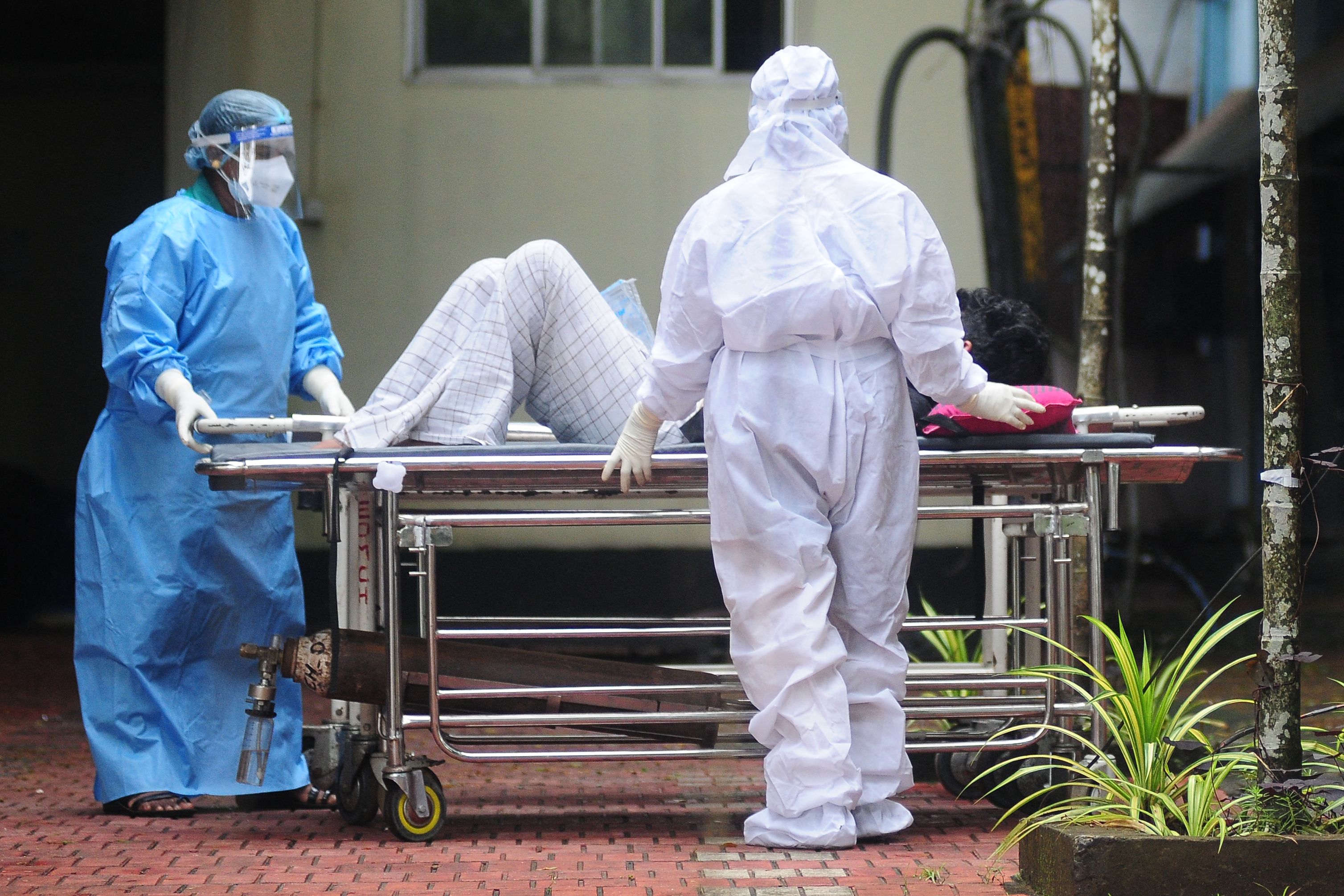
Those who tested positive are receiving treatment at hospitals in and around the state capital, Kolkata. Scientists are currently investigating the source that led to the healthcare team becoming infected. According to reports, one of the three nurses who was initially infected contracted the Nipah virus while treating a patient with severe respiratory symptoms. The patient died before any conclusive testing could be carried out. Union Health Minister J P Nadda said:
‘The government of India is providing comprehensive technical, logistical and operational support to the state government.”
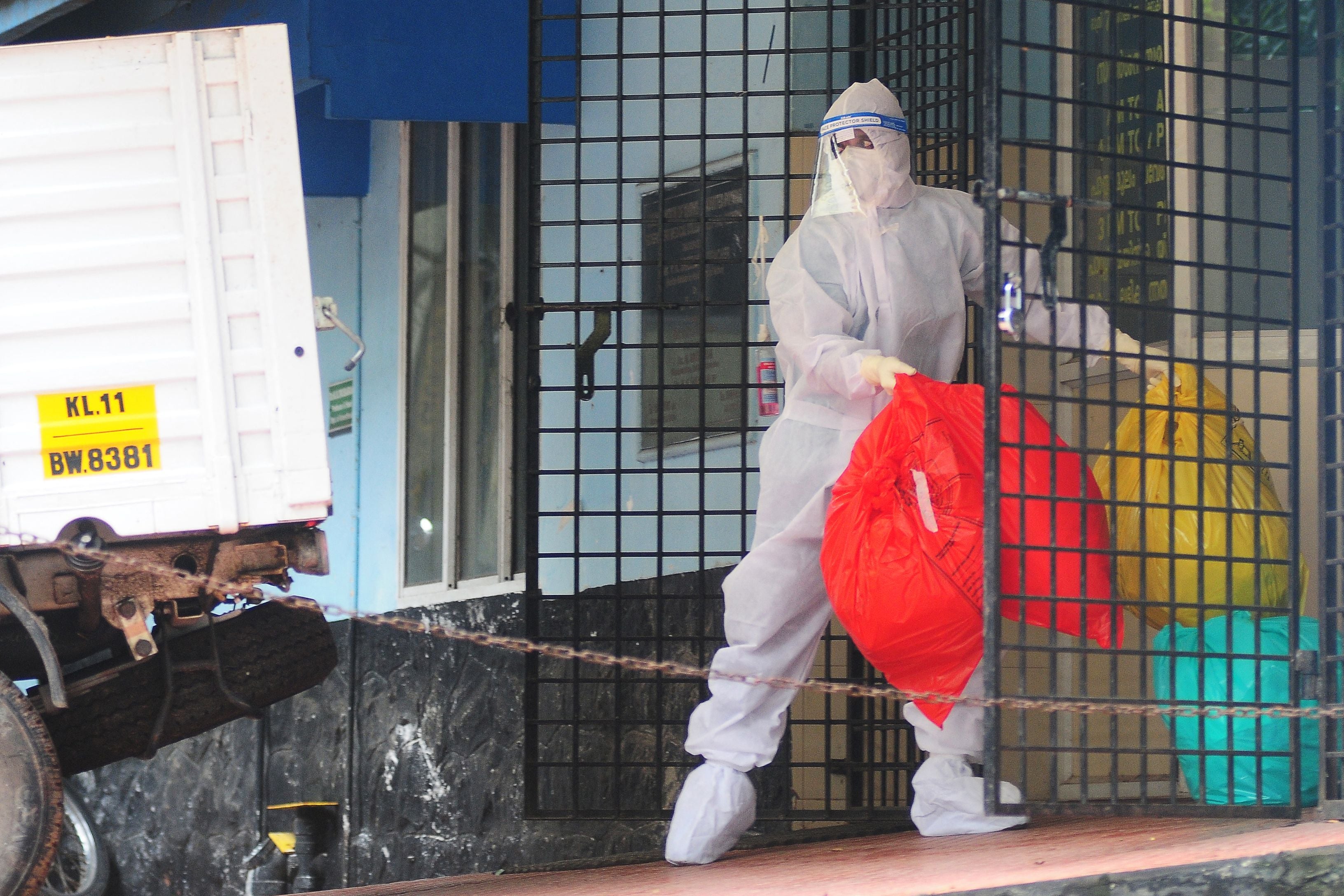
The five infected individuals include three nurses, a doctor, and a member of health staff, all of whom are linked to the same private hospital. One patient is reported to be in “critical condition”, the West Bengal health department said.
With a population of roughly 100 million, West Bengal, where the spread began, is the fourth most populous state in India, making quarantine measures essential to preventing and halting outbreaks.
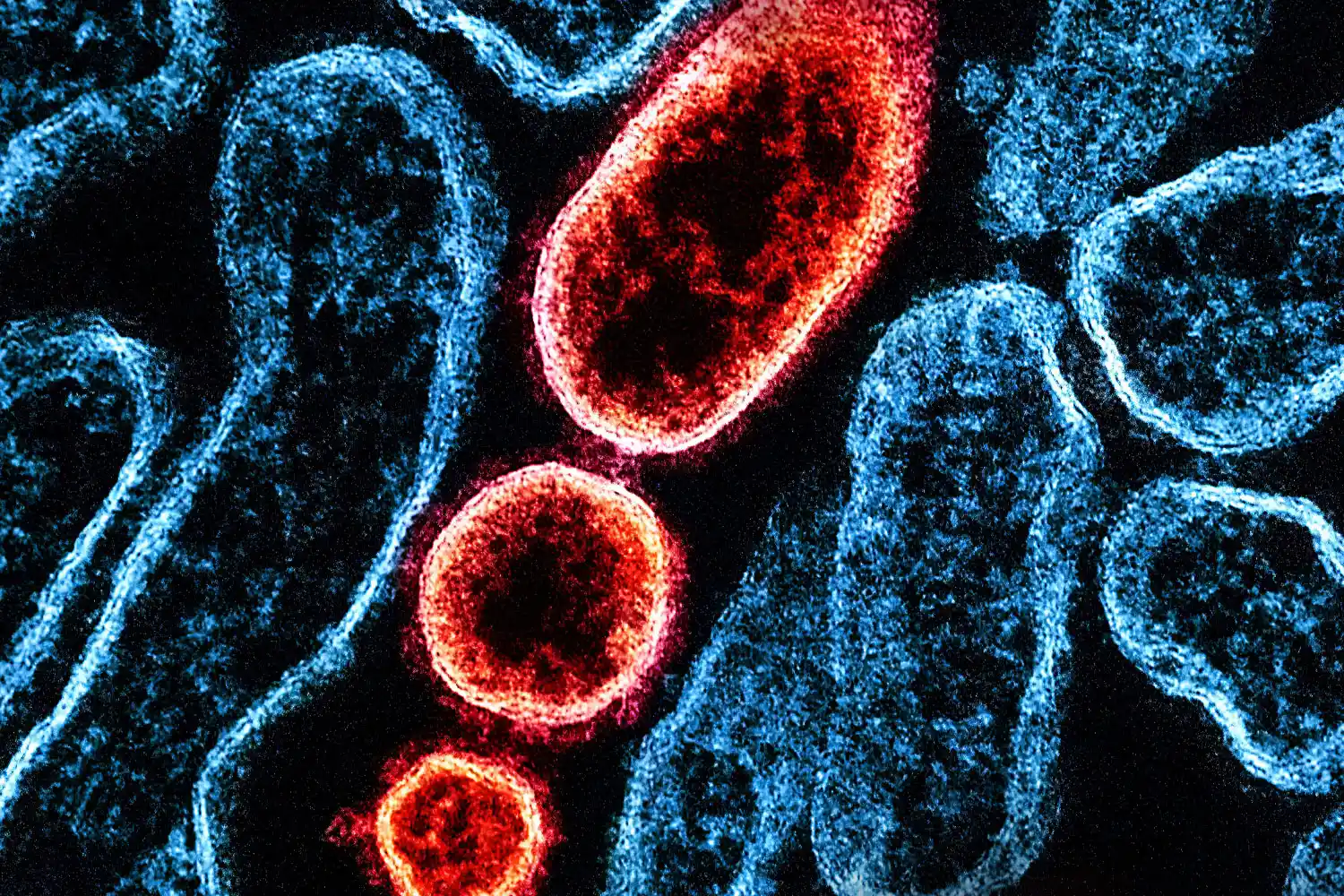
Nipah is a deadly virus with no approved vaccine or available cure and is considered a high risk pathogen by the World Health Organization (WHO). The WHO has previously described the need for more research into the disease as “urgent”, yet no cure has been identified since the virus was first discovered in Asia in 1999 following an outbreak of encephalitis and respiratory illness among pig farmers who had close contact with infected pigs. Since then, repeated outbreaks have occurred across Asia, including in Malaysia, Singapore, the Philippines, and annually in Bangladesh since the turn of the century.
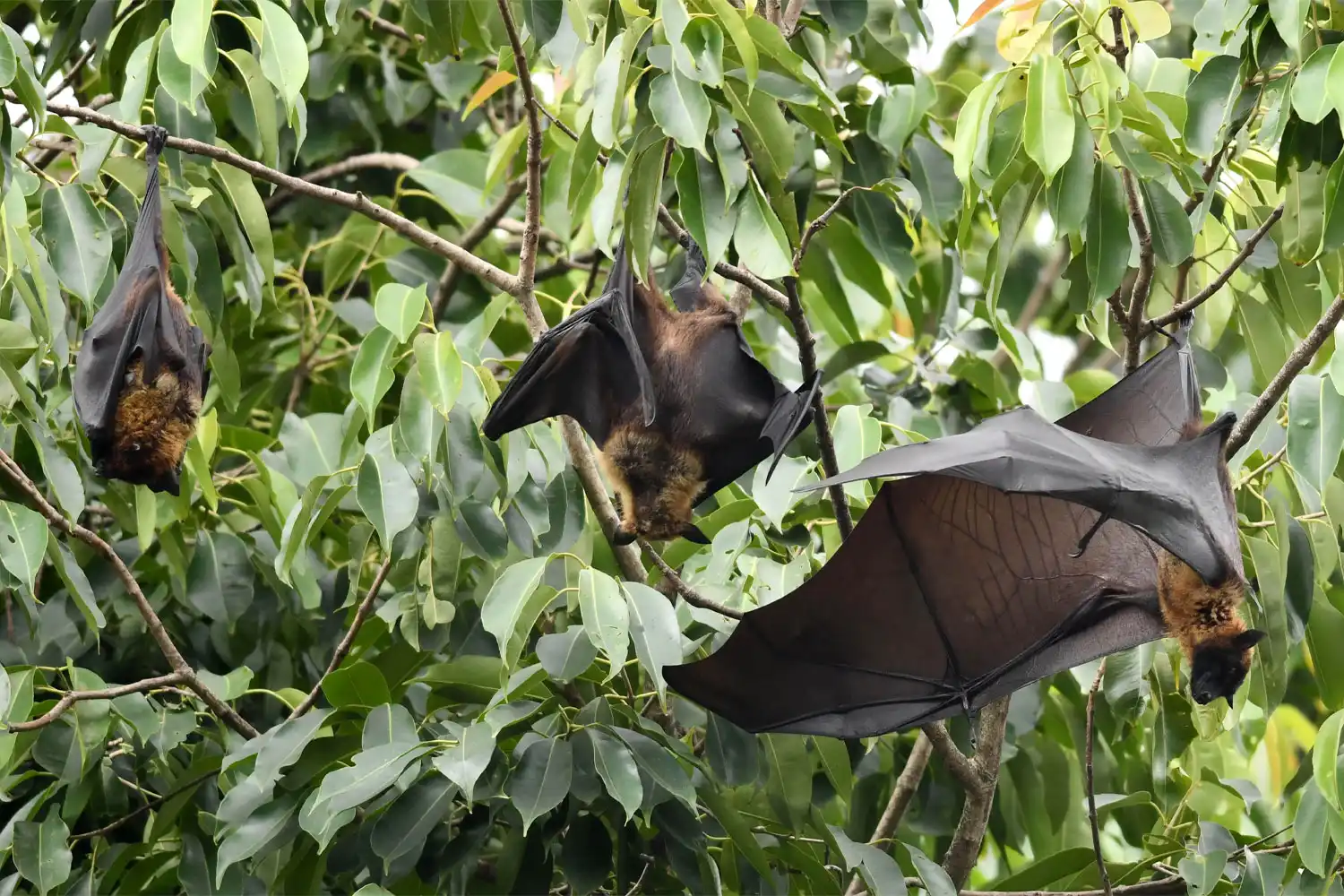
Although the zoonotic pathogen is initially transmitted to humans through animals, primarily fruit bats, often via fruit contaminated with saliva, urine, or faeces, experts state that animal to human transmission is rare. However, once humans are infected, they can transmit the disease to others, particularly those who come into contact with infected bodily fluids. Experts believe this human to human transmission is what occurred in this case.
The onset of the virus often begins with non specific symptoms resembling a flu like illness, making early detection difficult. Symptoms include fever, headaches, body aches, and fatigue. Some individuals also develop respiratory problems such as coughing, shortness of breath, or pneumonia, with severity varying between cases.
By far the most severe consequence of Nipah infection is encephalitis, or swelling of the brain. Effects on the nervous system, such as disorientation, seizures, or progression into a coma, typically emerge days to weeks after the first symptoms of illness.
Nipah virus has a high mortality rate, with fatality levels reported between 40 and 75 per cent, depending on the viral strain involved.
To date, there has never been a case of Nipah reported in the UK. However, preventing a large scale outbreak depends on global awareness. As such, the UK Health Security Agency (UKHSA) has announced that it is closely monitoring the situation in India. Advice from the UK government states that,
“Close and direct, unprotected contact with infected patients, especially those with respiratory symptoms, has been implicated as a transmission risk.”
%20(4).png)


%20-%202.PNG)
%202.PNG)
%20(5).png)
.svg)
.svg)
.svg)