

The UK Government is set to unveil plans for a default overnight social media curfew for 16 and 17-year-olds, as ministers continue their push to strengthen online safety measures for young people.
Under the proposals, teenagers aged 16 and 17 would automatically be prevented from accessing social media platforms between midnight and 6am. The restriction would be enabled by default, although users would have the option to switch it off if they choose. Alongside the overnight curfew, platforms would also be expected to disable features including autoplay and infinite scrolling by default, both of which have long been criticised for encouraging excessive time spent online. The measures are expected to apply to major social media platforms including TikTok, Instagram, Snapchat and Facebook, while messaging services and educational platforms would not be affected.

The proposals build on the Government's previously announced plans to prevent children under the age of 16 from holding accounts on mainstream social media platforms. Ministers have argued that introducing additional protections for 16 and 17-year-olds creates a gradual transition into adulthood, rather than allowing unrestricted access overnight once a child turns 16.
Online Safety Minister Kanishka Narayan has defended the approach, saying evidence gathered by the Government suggests overnight restrictions can improve sleep, concentration, family interaction and overall wellbeing. Research carried out during trials also found some young people experienced better routines after limiting late night social media use, although others reported feeling isolated when unable to access online communities during those hours.
.jpeg)
The Government has also indicated it is exploring further safeguards, including mandatory breaks from AI chatbots and tighter controls over digital features considered particularly addictive for younger users. Initial legislation is expected to be introduced later this year, with implementation planned during 2027.
The announcement has also reignited discussion surrounding age verification and what many people have described as "digital ID".
While some social media users have claimed the measures are designed to introduce a compulsory digital identity system, ministers have repeatedly denied this. Instead, the Government says platforms will use age assurance technology to estimate or verify a user's age without requiring everyone to obtain a government-issued digital identity card.
The system stems from the Online Safety Act, which requires online platforms to prevent children from accessing harmful content. Companies can meet those obligations through several methods, including facial age estimation technology, secure document checks, mobile network verification or other approved age assurance systems. The Government has stressed that users will not be required to obtain a national digital ID in order to access social media, although platforms must demonstrate they are carrying out robust age checks where required.
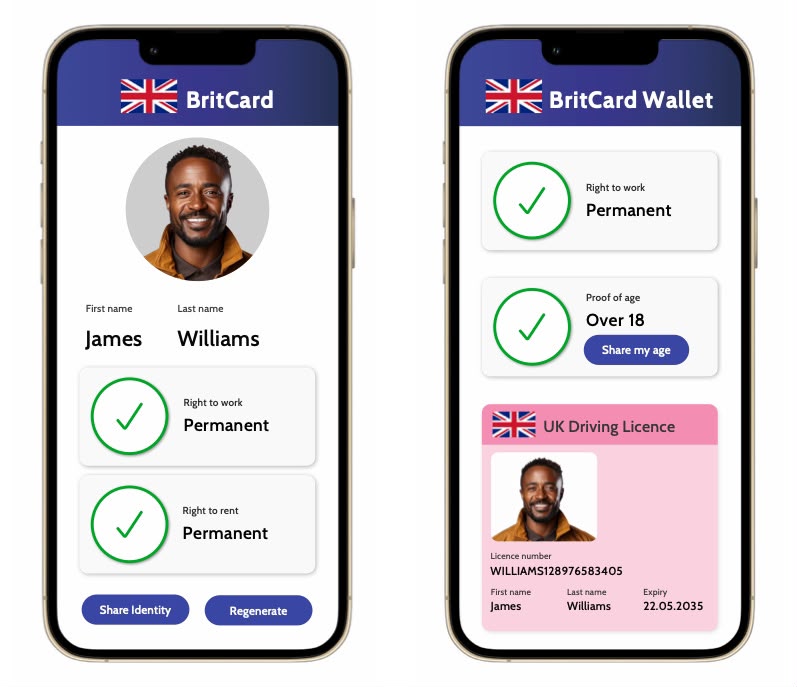
Supporters argue the changes are long overdue, pointing to growing evidence linking excessive social media use with poor sleep, anxiety and declining mental wellbeing among teenagers. They also believe giving parents additional tools to manage children's online activity could make family life easier.
One person commented:
"If you’re not a parent/carer/ work with young people, you won’t see the value un this, but I think this is excellent!"
Another added:
"At least they are trying. A lot of parents asked for this to help them."
.jpeg)
Not everyone is convinced the proposals are about online safety alone. One critic wrote:
"This is just to bring digital ID to adults who want to access the web. This gives more accuracy to who they can prosecute for not being complicit."
Others questioned whether the Government's priorities were in the right place, particularly as many households continue to struggle financially.
One person said:
"Do something useful for the country please. Focus on what really matters and help people trying to put food on the table for their families."
The comment reflects wider frustrations surrounding the UK's continuing cost of living crisis. Although inflation has fallen significantly from its peak in recent years, many everyday essentials remain considerably more expensive than they were before the sharp rise in prices began. Food costs, energy bills, housing expenses and household essentials have all increased substantially compared with pre-crisis levels, leaving many families under sustained financial pressure. Millions of households continue to face high rents or mortgage repayments, while charities have warned that demand for food banks and emergency financial support remains elevated despite inflation easing.
The Government insists its online safety plans are intended to tackle a separate issue entirely, arguing that protecting children from harmful online experiences should not come at the expense of addressing wider economic challenges. Ministers say both priorities can be pursued simultaneously as they continue developing legislation designed to reshape how young people interact with social media.
As debate continues, it is clear there is no universal agreement on where the balance should lie. Some see the proposals as a sensible step towards healthier digital habits, while others remain concerned about privacy, personal freedoms and whether Government attention should instead be directed elsewhere. With legislation expected to follow in the coming months, the conversation surrounding young people's online lives looks set to continue well beyond this latest announcement.
.png)


.png)
.png)
.png)
.svg)
.svg)
.svg)