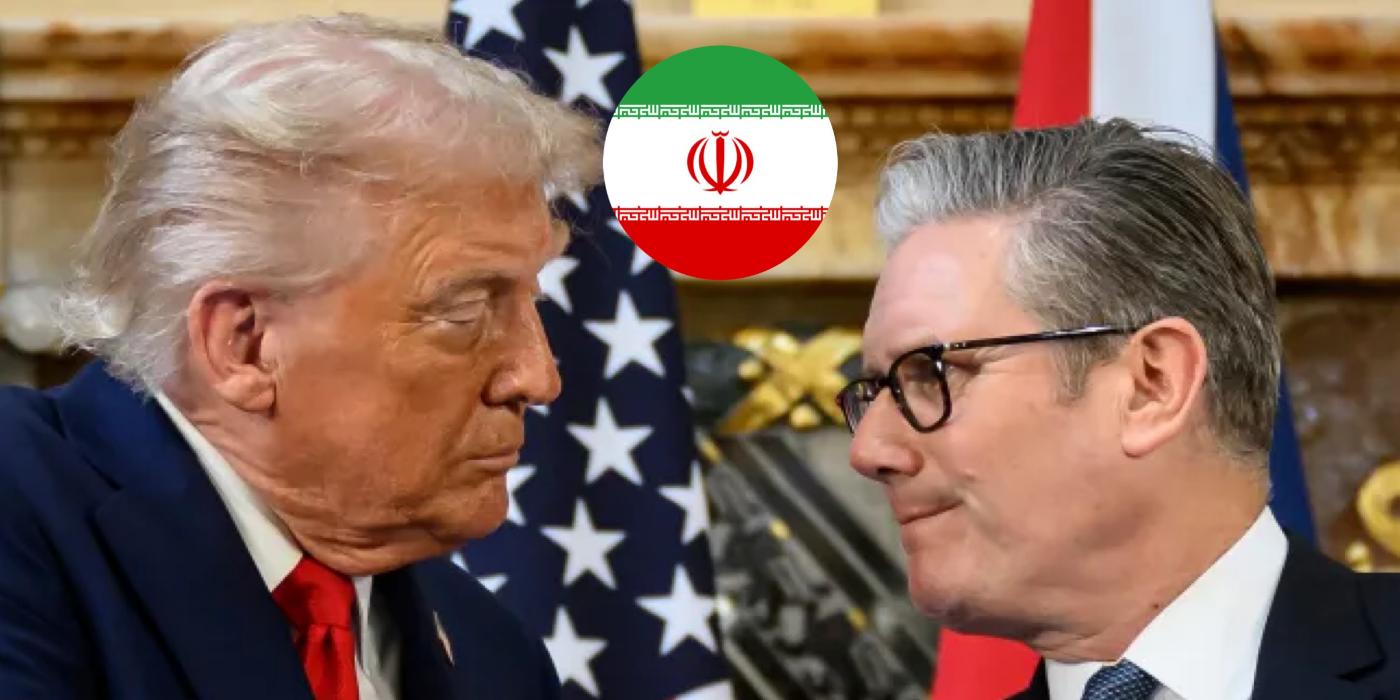

Britain has authorised the United States to use British bases to carry out strikes on Iranian positions threatening the Strait of Hormuz, marking a significant expansion of the UK’s previous stance. Sir Keir Starmer had earlier limited US use of the bases to defensive measures intended solely to stop Iranian missile launches that endangered British lives or interests.
Downing Street confirmed on Friday that ministers had agreed to broaden the remit to protect shipping in the crucial oil transit route, while insisting the decision still rested on the principle of collective self defence. The White House welcomed the move, though Donald Trump argued that the UK “should have acted a lot faster”, and Iranian Foreign Minister Abbas Araghchi accused Sir Keir of “putting British lives in danger”.
.jpeg)
Reports from the Wall Street Journal and CNN suggested Iran had fired two ballistic missiles at Diego Garcia in the Indian Ocean, although neither reached the joint US UK facility. According to unnamed US officials, one missile reportedly failed mid flight while the other was intercepted by an American warship. The timing of the attempted strike has not been confirmed and the US military declined to comment.
This unsuccessful attack happened before Britain agreed to let American forces use UK bases for operations aimed at Iranian sites threatening vessels transiting the strait. The UK itself will not take part directly in any US strikes, with Downing Street stressing that;
“The principles behind the UK’s approach to the conflict remain the same”.
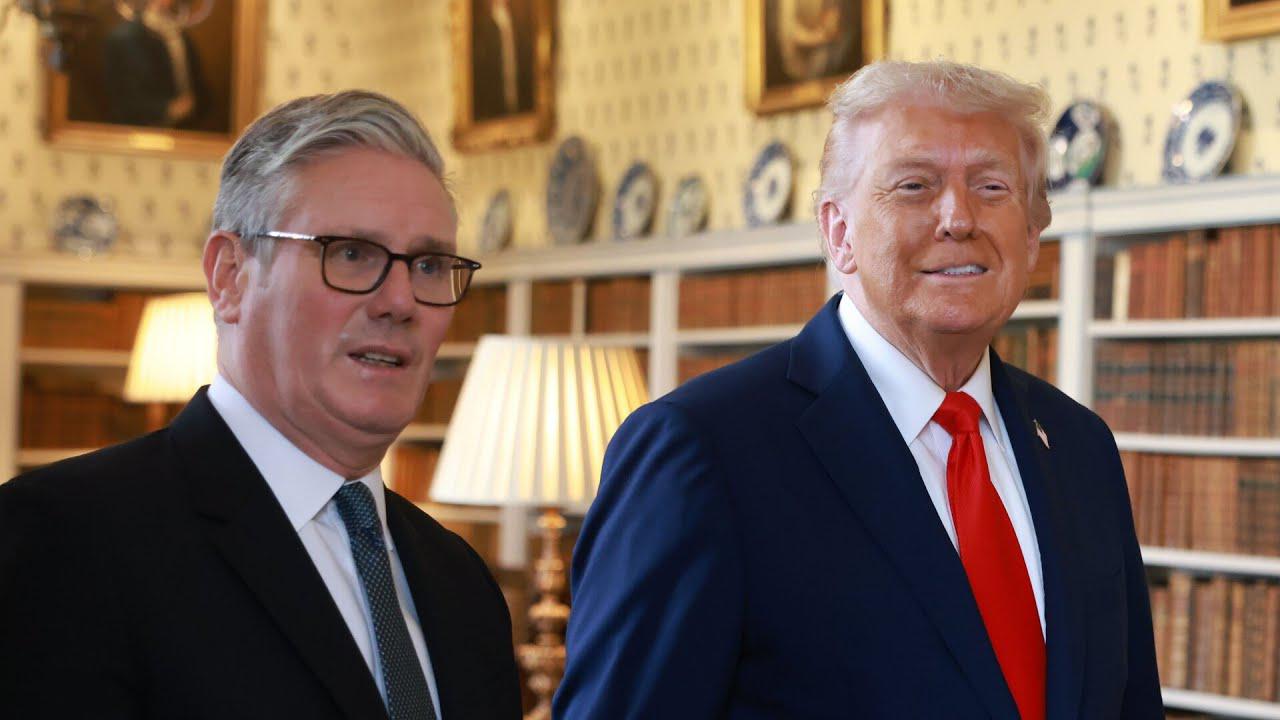
Conservative leader Kemi Badenoch condemned the decision as the “mother of all U-turns” in a post on X, and called for a parliamentary vote on the terms of the agreement. Speaking to reporters, Mr Trump said,
“It’s been a very late response from the UK. Surprised because the relationship is so good but this has never happened before. They were really pretty much our first ally all over the world.”
The US president also criticised NATO allies as “cowards” for refusing to provide warships to help reopen the channel, claiming the task would be “simple” with “little risk”. British military planners have since joined US Central Command to explore ways of guiding tankers safely through the strait, which has been largely closed due to the threat of Iranian retaliation following strikes by the US and Israel.
Fewer than 100 ships have passed through the strait since early March, according to available data. A Downing Street spokesperson said ministers agreed that;
“Iran’s reckless strikes, including on Red Ensign vessels and those of our close allies and Gulf partners, risked pushing the region further into crisis and worsening the economic impact being felt in the UK and around the world”.
Downing Street added that ministers also emphasised the need for “urgent de-escalation and a swift resolution to the war”.
.png)



.jpeg)
.png)
.svg)
.svg)
.svg)