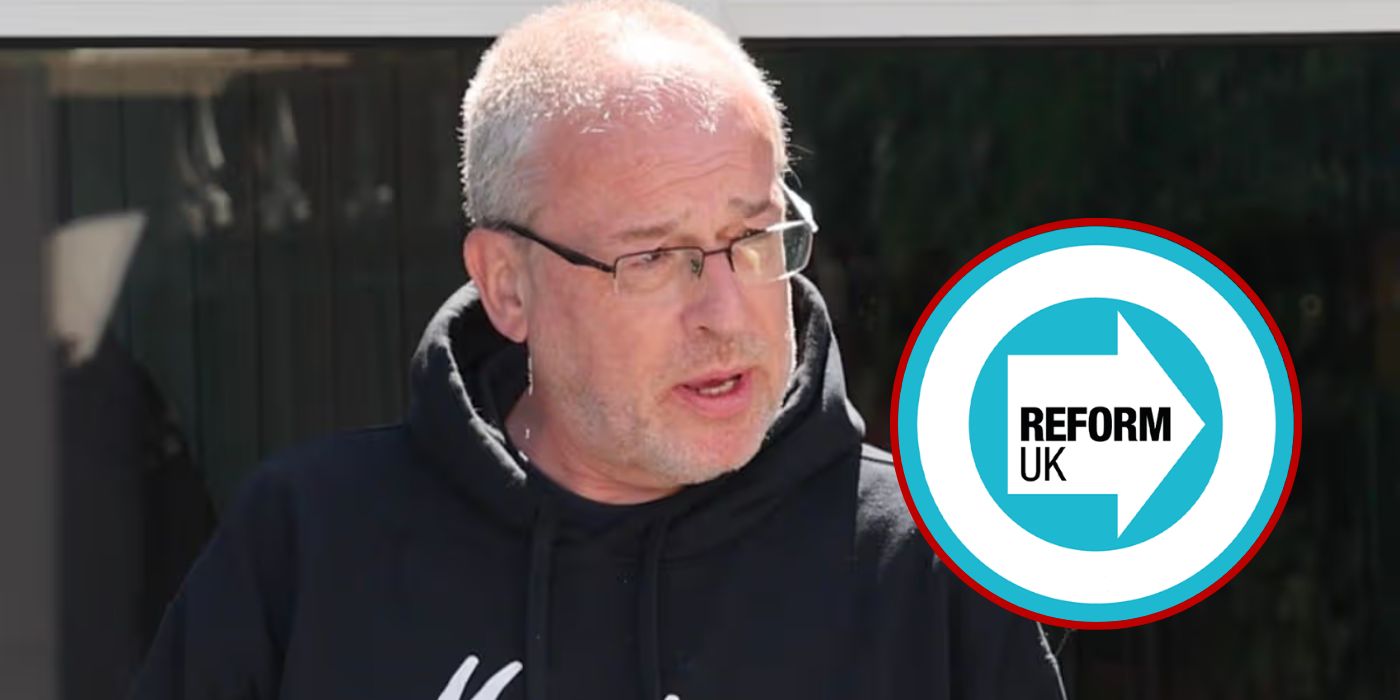

Reform UK candidate Stuart Prior, who is standing in the local elections in Essex this week, has been challenged over a series of posts shared on an X account that was deleted only a few months ago in February. The Daily Mirror confronted Prior directly, reading the posts aloud to him as he reacted to each one.
One of the posts shown to him claimed that white people were the “master race”. When presented with the screenshot, Prior said,
“I do not recall that at all. Blimey.”

Another post implied that black people have smaller brains. Responding to that, he said,
“Goodness me. No, that’s not not me.”
A further post read out to him stated,
“There cannot be genocide against Muslims.”
As he shook his head, Prior said,
“That is not what I would have put down. Certainly not.”
.jpeg)
Another post included a racial slur aimed at a black man. There was also a separate post that read,
“Muslims don’t belong.”
Once again, Prior denied it.
In another resurfaced post, Prior had responded to an ex Labour MP who had shared news of a woman of Punjabi heritage being raped in a racist attack. His reply at the time read,
“Good. Reap it.” Confronted with the comment, Prior said, “No, this isn’t me.”
.jpeg)
Despite his repeated denials, the account had featured personal images, including photographs of his house and his dog, which allowed investigators to identify him as the person behind it. Prior continued to insist that the account was not his and rejected accusations of being racist.
The situation has intensified ongoing criticism of Reform UK’s vetting procedures, with opponents arguing that the party has repeatedly failed to identify problematic online behaviour among its candidates. The party has already faced questions in previous election cycles over individuals who were found to have shared offensive or extremist material online.
Campaign groups have said that parties must strengthen background checks and take more responsibility for ensuring those seeking public office are properly scrutinised. They argue that online content, particularly where it appears discriminatory or inflammatory, should be checked thoroughly before candidates are approved.
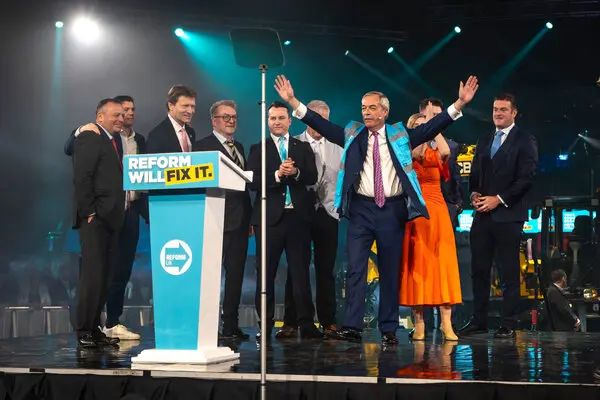
Supporters of more rigorous vetting say that historical social media activity is increasingly relevant in political accountability. Others warn that resurfaced posts can sometimes lack context, although scrutiny tends to intensify during election periods.
The confrontation involving Prior has further fed into a national discussion about political standards and transparency. As parties compete for local election seats, voters are watching closely to see how issues around online behaviour and candidate conduct are handled.
For Reform UK, this adds to a series of controversies as it expands its candidate list across the country. While party figures have previously defended their selection processes, critics argue that repeated scandals undermine public trust and raise questions about oversight.
With the Essex elections imminent, attention remains firmly on how such revelations may influence voter confidence and what the incident means for Reform UK’s wider credibility in the local political landscape.
.PNG)


.png)
.jpeg)
.jpeg)
%20(3).png)
.svg)
.svg)
.svg)