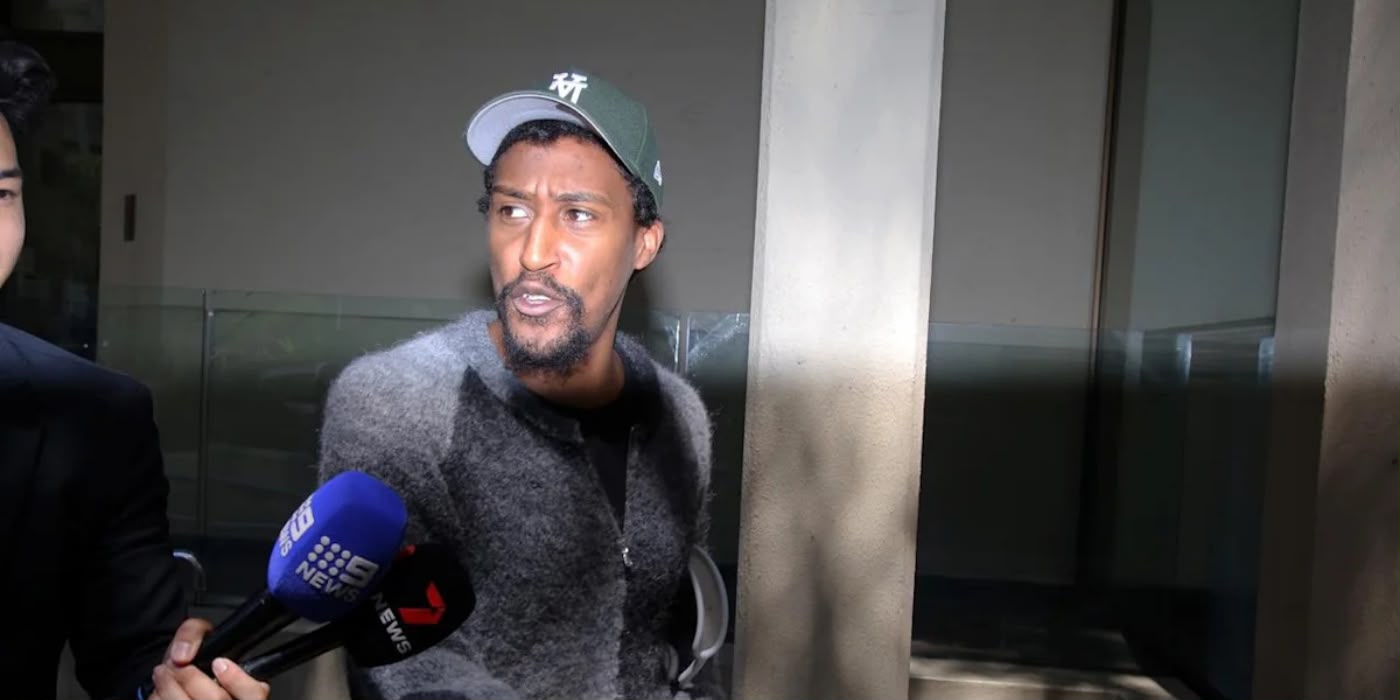

The criminal trial of YouTuber and rapper Yung Filly, whose legal name is Andres Felipe Valencia Barrientos, has entered another significant stage after jurors informed the court they were unable to reach a unanimous verdict following their initial deliberations.
Barrientos, 30, is standing trial in Perth, Western Australia, where he has pleaded not guilty to six counts of sexual penetration without consent, three counts of assault occasioning bodily harm and one count of choking. The charges stem from allegations made by a woman following an incident at a Perth hotel in September 2024. Barrientos denies every allegation against him.
.jpeg)
After several days of hearing evidence from both the prosecution and defence, the case was handed to the jury to determine whether the charges had been proved beyond reasonable doubt. However, after beginning their deliberations, jurors returned to court and advised the judge they had been unable to reach a unanimous decision.
Rather than accepting that the jury was deadlocked, the judge delivered what is commonly known as a majority verdict direction, instructing jurors to continue their discussions and informing them that, under Western Australian law, they are permitted to reach majority verdicts on most criminal charges once sufficient time has been spent attempting to achieve unanimity.
For many following the case, the legal process can appear confusing, but a majority verdict direction is a routine part of Australia's criminal justice system. In Western Australia, juries are initially expected to reach a unanimous verdict, meaning all 12 jurors agree on whether a defendant is guilty or not guilty. If that proves impossible after prolonged deliberations, the judge can authorise the jury to return a majority verdict instead.

In practice, this means that at least 10 of the 12 jurors must agree before a verdict can be accepted on most offences. The purpose of the rule is to prevent a lengthy and costly trial from collapsing because one or two jurors remain unable to agree with the majority, while still ensuring a substantial level of agreement among the panel.
Importantly, the judge's decision to allow majority verdicts should not be interpreted as a sign that jurors are leaning towards either a conviction or an acquittal. The court does not disclose how jurors are divided, meaning they could be split in several different ways. Their discussions remain confidential and no information is released about which charges, if any, are proving the most difficult to resolve.
If jurors are ultimately able to reach the required majority, they will return to court and deliver their verdicts. It is also possible for different verdicts to be reached on different charges, meaning a defendant can be acquitted of some offences while convicted of others if the evidence supports separate conclusions.
Should the jury remain unable to reach the required majority after further deliberations, the judge may discharge them without verdicts on some or all charges. In that situation, prosecutors would then decide whether to pursue a retrial, taking into account the public interest, the available evidence and the likelihood of securing a verdict before a new jury.
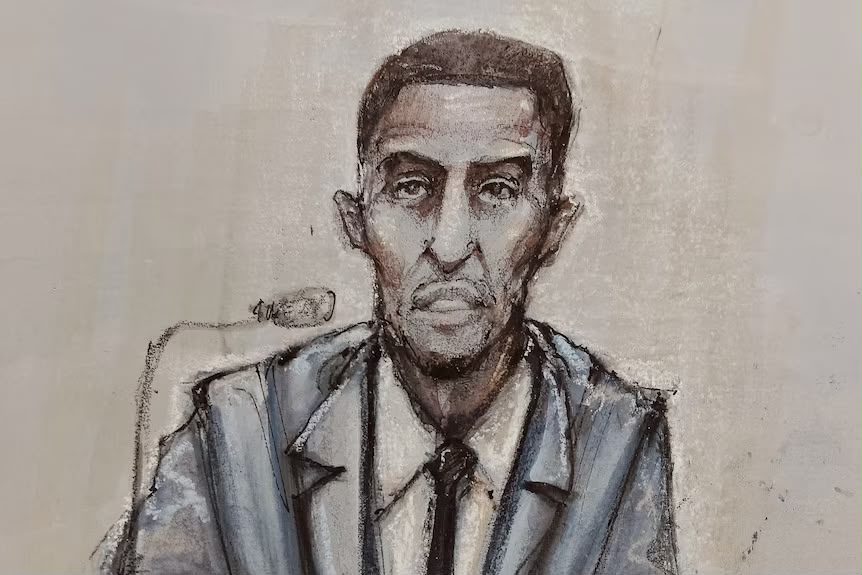
Throughout the trial, the prosecution has alleged that what began as a consensual sexual encounter became violent and non consensual. Jurors have heard evidence from the complainant, police officers, medical professionals and other witnesses as prosecutors sought to prove the allegations beyond reasonable doubt.
Barrientos also gave evidence in his own defence, denying assaulting or choking the complainant and maintaining that the sexual activity was consensual. His legal team has argued that the prosecution has failed to establish the offences alleged against him.
The jury's inability to immediately reach unanimous verdicts has inevitably sparked widespread speculation online, with many social media users attempting to predict what the eventual outcome could be. One person commented:
“Yeah it’s either very good news or it’s over. Now the judge is going to re-direct them to reach a verdict.”
Another wrote:
“He’s getting jail time… hopefully this will be a lesson on learning how to control his lust and knowing you can’t be acting recklessly and thinking there are no consequences.”
A third added:
“I have a feeling he may get not guilty on some of the rape charges but guilty on the assault one.”
.jpeg)
While such speculation has continued to circulate across social media, legal experts regularly caution against reading too much into a jury's request for further time or its inability to initially reach a unanimous decision. Deliberations in serious criminal cases often involve careful examination of witness testimony, forensic evidence, legal directions and the individual elements of each charge, particularly where there are multiple offences for jurors to consider separately.
With the majority verdict direction now in place, jurors will continue reviewing the evidence and discussing each count before deciding whether they can reach the level of agreement required under Western Australian law. Until verdicts are returned in court, Barrientos remains presumed innocent under the law, and the charges against him remain allegations that he continues to deny.
.png)




.png)
.svg)
.svg)
.svg)