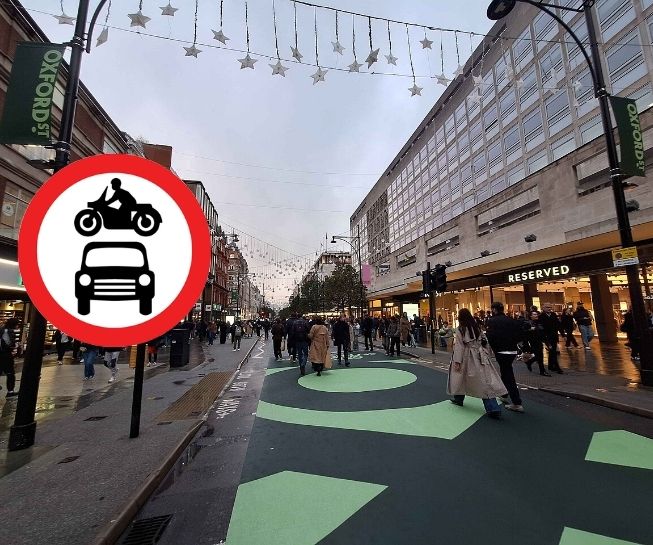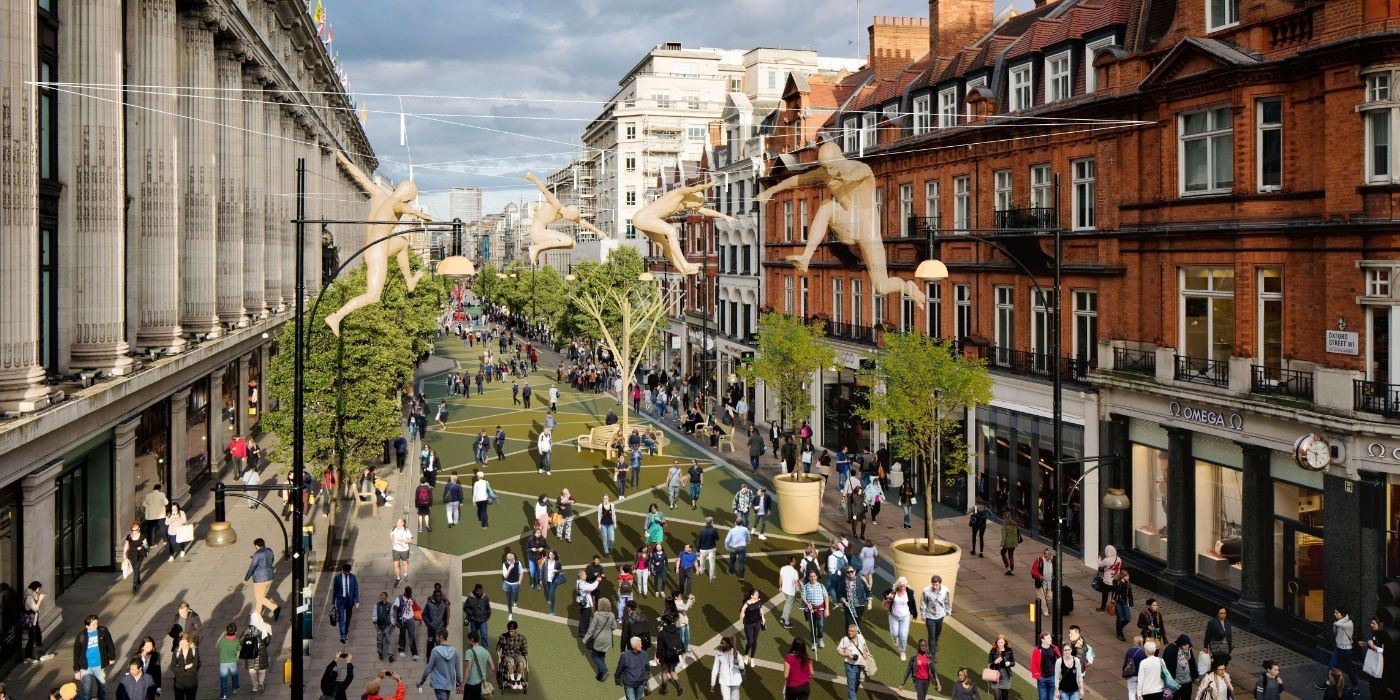

One of London’s most famous shopping destinations has entered a new era, as nearly half of Oxford Street has been permanently closed to traffic in a £150 million transformation. However, while many busy shoppers are celebrating the change, others are questioning whether pedestrianisation will really address the problems threatening the historic high street.
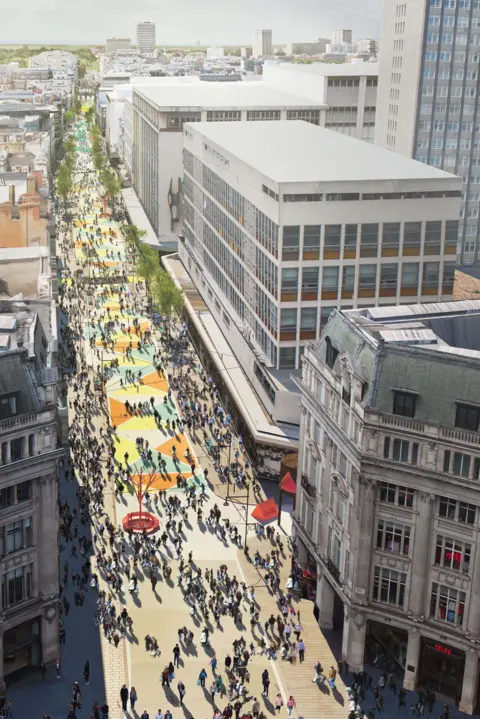
On Monday, 26 October, nearly one kilometre of the two-kilometre shopping street, stretching between Orchard Street and Great Portland Street, officially became traffic-free for the first time. The ambitious project, spearheaded by London Mayor Sadiq Khan, aims to revitalise the capital’s iconic shopping destination, transforming it into a pedestrian-friendly space capable of competing with world-famous destinations such as New York’s Times Square and Paris’s Champs-Élysées.
For decades, Oxford Street has been synonymous with British shopping culture, attracting millions of visitors from across the world. Despite its reputation, however, the destination has faced increasing challenges, including declining retail appeal, the closure of established shops and concerns about the quality of its shopping experience. The pedestrianisation scheme forms part of a wider regeneration strategy intended to restore the street’s former glory.
Shoppers heading to Oxford Street on Monday were among the first to experience the newly traffic-free environment, with buses, taxis, private vehicles, bicycles and electric scooters now prohibited from entering the designated zone. While some visitors welcomed the opportunity to explore the shopping district without navigating busy traffic, the transition was not without confusion. Despite newly installed barriers and restrictions, cyclists and electric scooter users were reportedly spotted continuing to ride through the pedestrianised section, seemingly unaware of, or choosing to ignore, the new rules. Security staff were observed shouting at cyclists to “dismount” and walk their bicycles through the area instead.
The restrictions have raised questions about how effectively the ban will be enforced, particularly as London continues to experience growing demand for cycling and alternative forms of transport. Addressing the confusion, a Transport for London (TfL) spokesperson said riders were “obliged to follow the rules”.
“We are working with dockless hire companies and delivery companies to ensure this is made clear and will continue to monitor and review as required,” they added.
TfL has confirmed that motorists entering the restricted area could face penalty charge notices, while enforcement officers and security personnel will help ensure the new arrangements are followed.
The changes mark the beginning of a regeneration programme estimated to cost approximately £150 million, with funding expected to come through public borrowing alongside private-sector contributions and other commercial revenue. Plans for the pedestrianised area include more than 50 new trees, over 100 additional seats and benches, improved lighting and two new public squares capable of hosting cultural events, performances and seasonal celebrations. The improvements are expected to be introduced in stages, with significant additions scheduled for completion by spring 2027.
Supporters believe the transformation could help Oxford Street reclaim its position as one of Europe’s premier shopping destinations. According to figures highlighted by the Greater London Authority, pedestrianisation could generate as much as £82 million in additional economic value annually. With Oxford Street already attracting approximately half a million visitors daily and generating billions in annual spending, supporters argue that making the area more attractive and accessible to pedestrians could encourage visitors to spend more time exploring its shops and businesses. Despite the optimism surrounding the project, critics have questioned whether removing vehicles from the street addresses the deeper economic challenges facing the shopping district.

Some argue that Oxford Street’s difficulties have less to do with traffic and more to do with soaring commercial rents, Britain’s complicated business rates system and the gradual disappearance of smaller independent retailers. The replacement of smaller retail spaces with large flagship stores has also attracted criticism, with opponents suggesting that Oxford Street risks losing the diversity of businesses that once made it such a distinctive shopping destination.
While major international retailers remain central to the street’s appeal, critics argue that these flagship stores depend on a thriving network of smaller businesses to create an attractive and varied shopping environment. Without addressing the financial pressures facing retailers, some fear the expensive transformation could amount to little more than a cosmetic improvement. Others have raised concerns about the impact on public transport and accessibility.
The removal of buses from the pedestrianised section means passengers must now use alternative routes and stops on surrounding roads, potentially creating additional difficulties for elderly passengers, disabled visitors and those who rely on buses to travel directly to Oxford Street. Although mobility scooters remain permitted and Blue Badge parking spaces are being relocated to nearby streets, questions remain about whether the changes will genuinely improve accessibility for everyone.
Some opponents have gone further, arguing that restricting a major public highway for the benefit of the surrounding retail environment effectively prioritises commercial property interests over certain road users. There are also concerns that diverting traffic onto neighbouring streets could increase congestion in surrounding areas, transferring rather than eliminating some of the problems associated with Oxford Street’s previous layout.
The transformation arrives at a pivotal moment for Britain’s high streets, which continue to face pressure from online shopping, changing consumer habits and rising operating costs. For supporters, the pedestrianisation represents a long-overdue investment in London’s future, offering the opportunity to create a greener, safer and more welcoming public space. For critics, however, the £150 million price tag raises an important question: can removing traffic really revive a shopping destination facing much wider economic challenges?
As Londoners and tourists begin adjusting to the new Oxford Street, the success of the scheme will ultimately depend on whether its promised improvements translate into a stronger retail economy, a more accessible public space and a shopping experience worth returning for. For now, Oxford Street may have said goodbye to traffic, but whether it can welcome back its former glory remains to be seen.