
Media personality ZeZe Millz has sparked a debate online after questioning why some Christians celebrate Halloween, with her comments prompting discussions about faith, religious values and the origins of the holiday.
While some agree that Halloween conflicts with Christian beliefs, others argue that modern celebrations are largely about costumes, sweets and community.
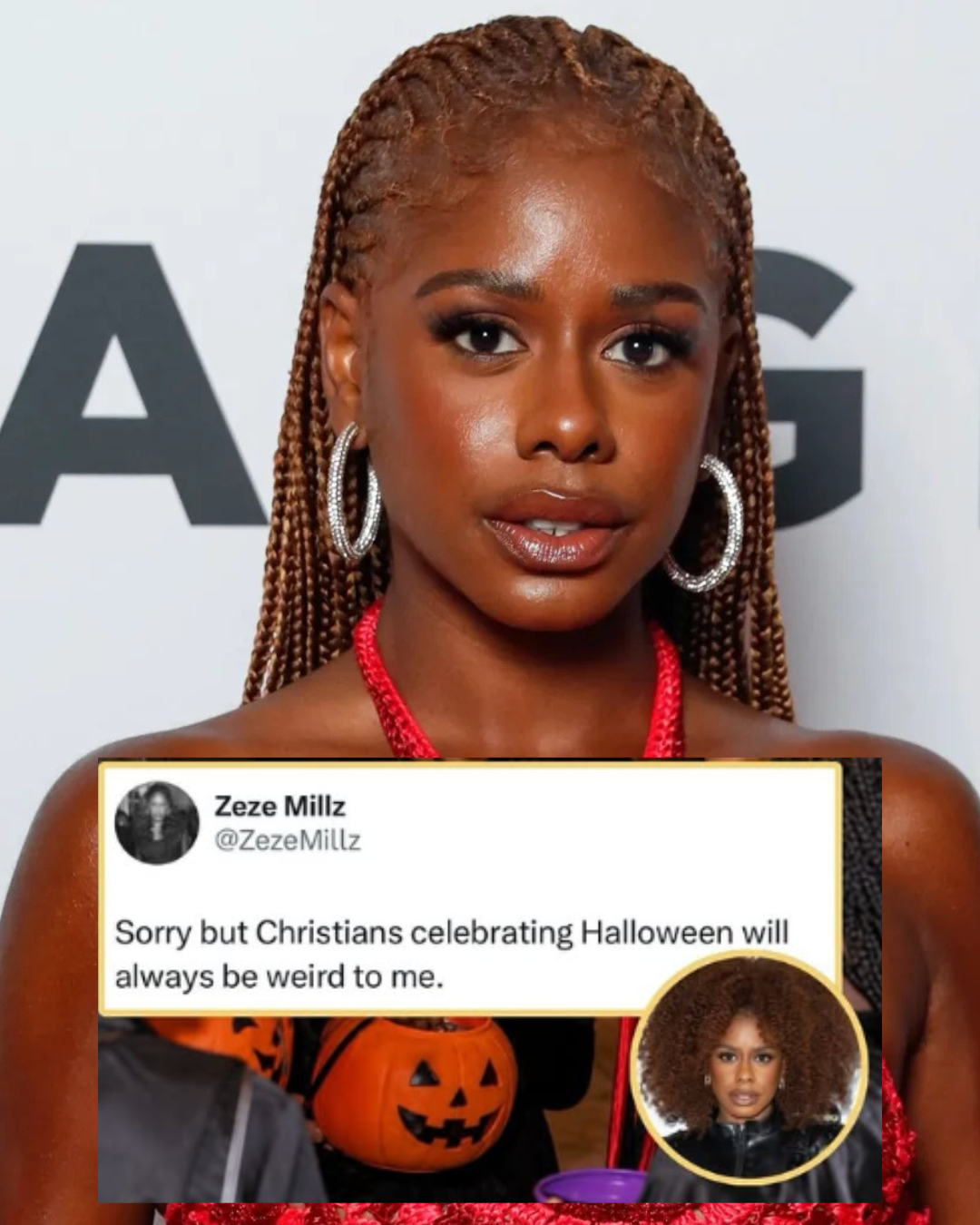
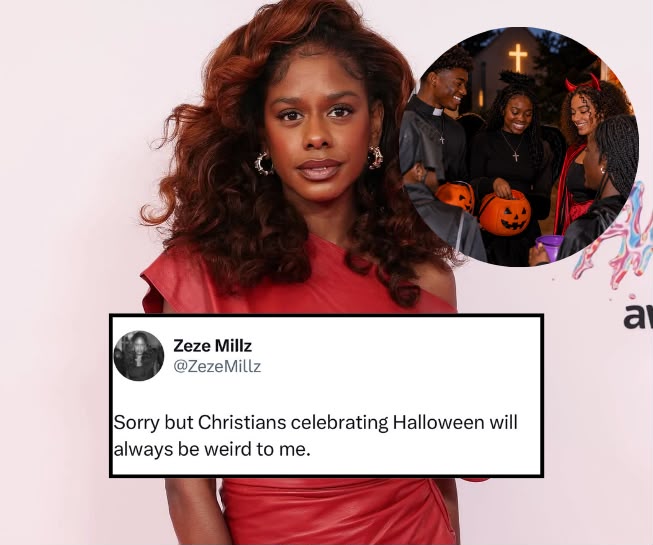
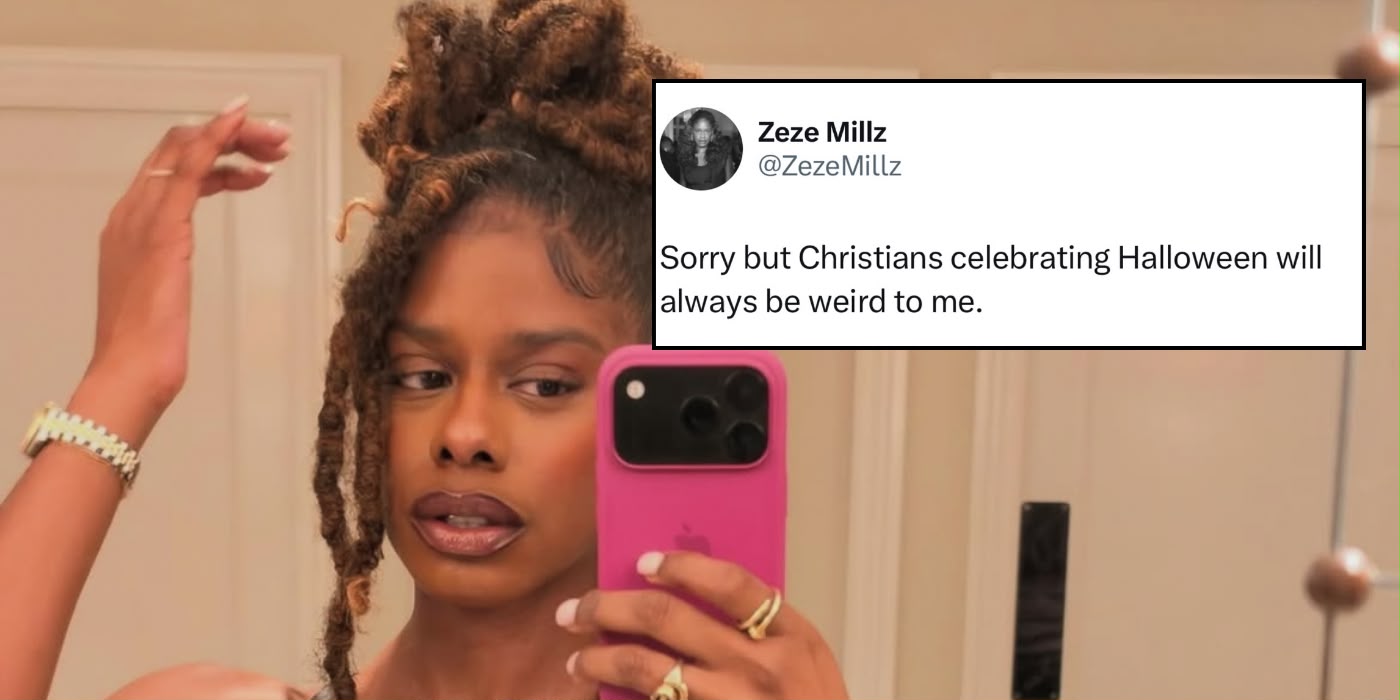
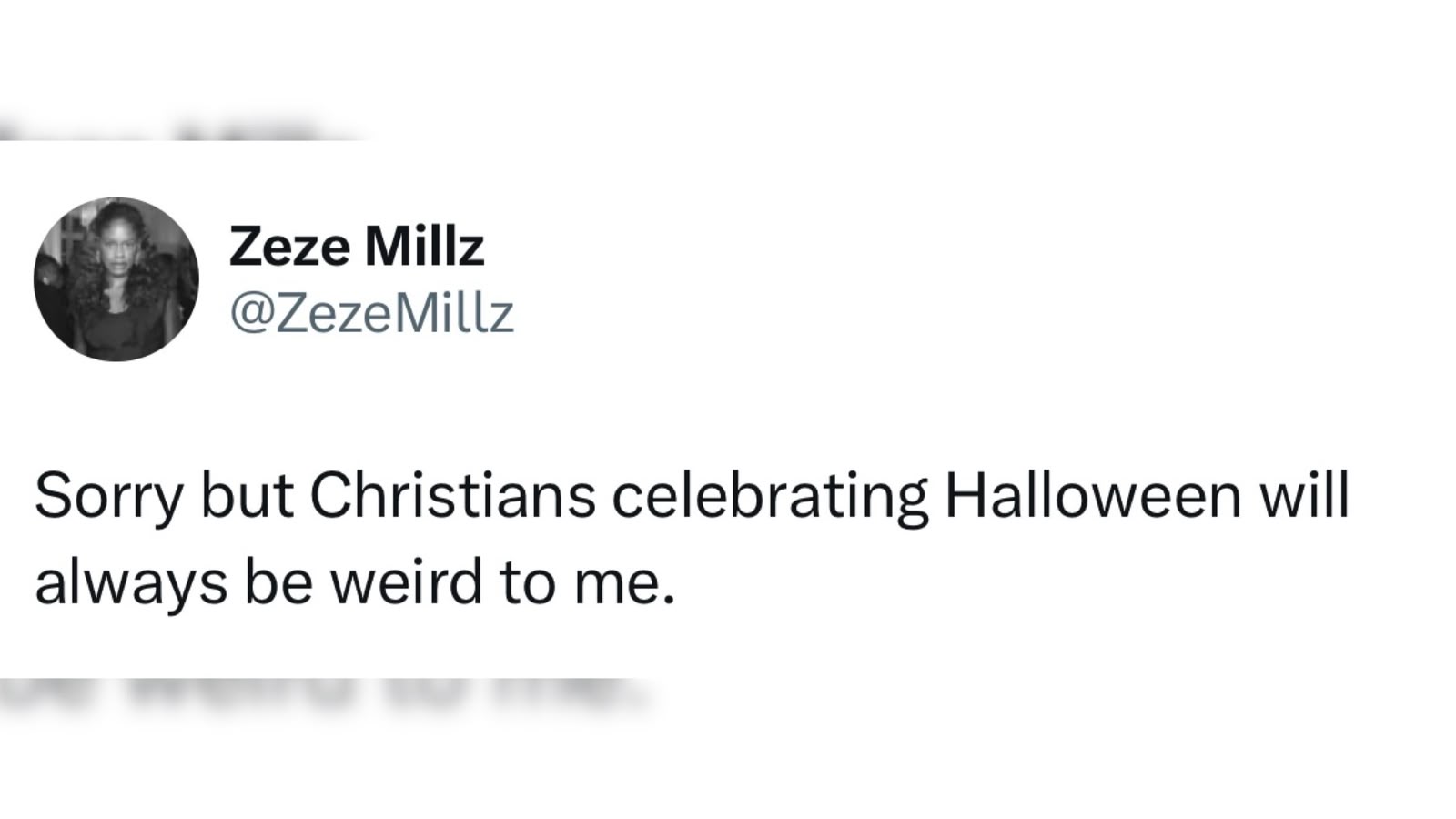
ZeZe took to X to share her thoughts on Christians who participate in the annual celebration, writing:
"Sorry but Christians celebrating Halloween will always be weird to me."
Her post quickly prompted a discussion about whether Halloween is compatible with Christianity, with people expressing different views on the relationship between the holiday's historical origins, its modern-day traditions and religious beliefs.
Halloween, celebrated annually on 31 October, has historical associations with ancient Celtic traditions, particularly Samhain, a festival marking the transition from summer to winter. Samhain was traditionally associated with the belief that the boundary between the living and the dead became less distinct at this time of year.
Some historical accounts associate the festival with rituals intended to protect people from spirits, although the precise nature of ancient Samhain practices remains debated among historians.
Christianity's relationship with Halloween developed over centuries. The Christian observance of All Saints' Day, also known as All Hallows' Day, falls on 1 November and honours saints and martyrs. The evening before became known as All Hallows' Eve, which eventually developed into the name Halloween.
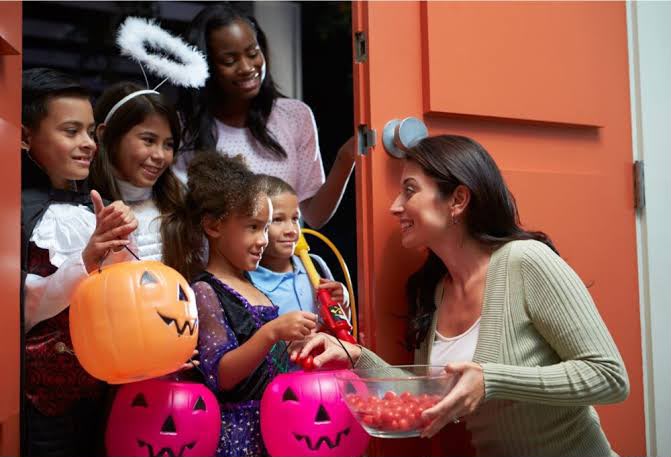
Over time, Halloween incorporated a mixture of religious customs, folklore and secular traditions. Practices such as dressing up, carving pumpkins, trick-or-treating and decorating homes have become familiar features of celebrations in countries including the UK and the United States.
However, some Christians remain uncomfortable with the holiday because of its historical associations with spirits, witchcraft, death and the supernatural.
For those who interpret biblical teachings as prohibiting engagement with practices associated with the occult, Halloween can appear to conflict with their faith. Passages such as Deuteronomy 18:10-12 warn against practices including divination, sorcery and consulting spirits, which some Christians believe provides a clear reason to avoid the celebration.
Others argue that participating in activities associated with witches, ghosts or demonic imagery, even as a costume or joke, risks normalising things their religion teaches them to reject.
For Christians who hold these views, the question is not necessarily whether wearing a costume or collecting sweets is harmful in itself, but whether taking part in a celebration with these associations aligns with their understanding of their faith.
Despite these concerns, not everyone believes celebrating Halloween automatically contradicts Christian beliefs.
Some people argue that the holiday has become so commercialised and removed from its historical and spiritual associations that its modern form bears little resemblance to the practices that concern religious critics.
For many families, Halloween is an opportunity for children to dress up as their favourite characters, collect sweets, attend parties and spend time with friends and neighbours. Businesses also use the occasion to sell decorations, costumes and seasonal products, making it a significant commercial event.
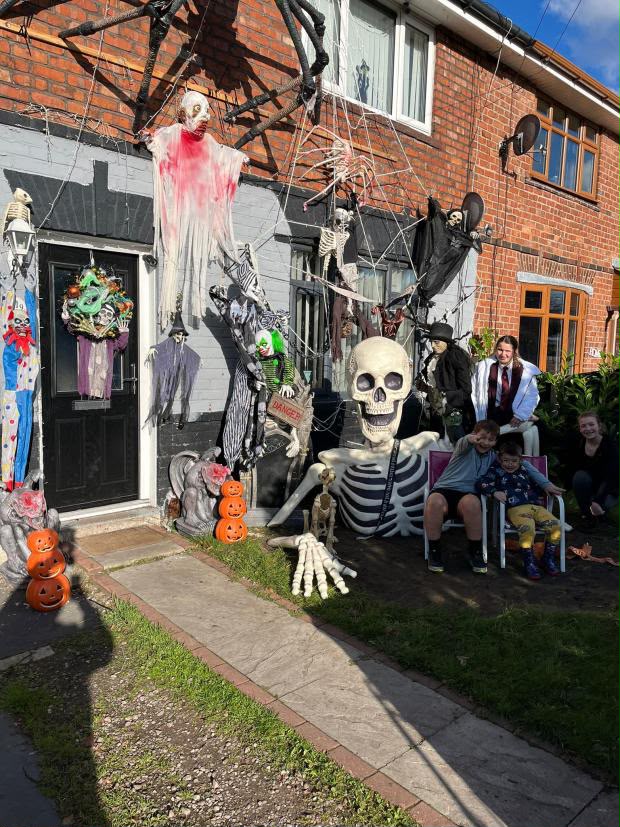
From this perspective, participating in Halloween does not necessarily indicate an interest in witchcraft or the supernatural. Instead, it can be viewed as a largely secular celebration centred on entertainment, creativity and community.
This distinction has become central to the debate, with some arguing that the meaning behind an activity matters more than its historical origins.
However, others believe that the commercialisation of Halloween does not erase its associations with the occult, arguing that Christians should consider what they are participating in rather than simply accepting something because it has become popular.
ZeZe's comments prompted a range of reactions, with some people agreeing that Christians should avoid Halloween altogether.
One person supported her position, writing:
"She's right! Christians should not be celebrating Halloween!! Promoting witchcraft is demonic and shouldn't be normalised as fun! KMT."
Another person argued that Christians should be cautious about adopting traditions that may conflict with their religious values, commenting:
"We can appreciate other cultures without adopting everything they do. As Christians, we should remain grounded in our faith, values and morals. If a holiday or an outfit appears Satanic or goes against what we believe, why should we feel the need to embrace or celebrate it? Let's stay true to our faith."
A third person took an equally firm stance, writing:
"A witch doesn't celebrate the resurrection! And a follower of Christ does not celebrate Halloween!! That's lukewarm business."
The comments reflect a belief among some Christians that faith should guide their everyday decisions, including the entertainment they consume and the traditions they choose to observe.
For those who share this view, Halloween is not simply a question of whether an activity is harmless fun. Instead, it raises questions about whether Christians should distance themselves from anything they consider inconsistent with biblical teachings.
However, other social media users questioned why Halloween had become such a significant concern when Christians could also be criticised for other behaviours they engage in throughout the year.
One person challenged what they saw as selective judgement, writing:
"There are Christian's out here fornicating, being gluttonous, not taking of the planet etc and you are worried about dressing up on Halloween? Go and worry about the daily choices we make as Christians."
Another person kept their response simple, commenting: "How about we just let people do what they want and leave them alone."
A further response also questioned why dressing up and taking part in family activities had become such a contentious issue, writing:
"Halloween is where people draw the line but they literally live in sin daily... All up in the clubs etc but doing fancy dress with kids, getting sweets and actually being in a community spirit is where they are outraged LOL! People from all faiths take part. Honestly, people need to relax with the selective outrage."
These responses highlight another aspect of the debate, with some arguing that Christians should be more concerned about their everyday actions and how they treat others than whether they participate in a seasonal celebration.
Others believe that avoiding Halloween should not be treated as an isolated rule, but as part of a wider commitment to living according to their religious beliefs.
At the heart of the discussion is a wider disagreement about how Christians should interpret their faith in relation to modern culture.
The Bible does not explicitly mention Halloween by name, meaning Christians often approach the celebration through their interpretation of broader teachings about witchcraft, idolatry, personal conscience and avoiding practices they believe could compromise their faith.
Some churches discourage Halloween celebrations and instead organise alternatives, such as harvest festivals, family events or activities focused on Christian teachings. Others allow members to participate in secular Halloween traditions, provided they avoid elements they consider inappropriate.
There are also Christians who choose to use the occasion to engage with their communities, welcome children collecting sweets or organise events that provide a safe environment for families.
This means there is no single approach shared by all Christians. Individual beliefs, church teachings and personal interpretations of scripture can influence whether someone chooses to celebrate, adapt or avoid Halloween entirely.
Ultimately, the debate sparked by ZeZe highlights the tension between maintaining religious convictions and participating in traditions that have become part of modern social life.
For some, Halloween is a celebration they believe Christians should avoid, regardless of how harmless its modern activities might appear. For others, dressing up, sharing sweets and spending time with family does not automatically conflict with their relationship with God.
With both sides standing firmly by their views, the discussion has become about more than Halloween itself. It has also raised questions about religious consistency, personal choice and whether Christians should be judged for how they choose to celebrate, or not celebrate, the occasion.