

A woman in the United Kingdom who had consensual sex with two identical twin brothers within a four‑day period while she was fertile has been told by a panel of Court of Appeal judges that, although one of the twins is the biological father of her child, current science cannot determine which one is the dad, leaving legal responsibility unresolved and sparking debate about the limitations of DNA testing and parental rights.
A legal battle over paternity rights in London’s Court of Appeal has highlighted the unusual and complex situation faced by the unnamed woman and her child, known only as child P. She and one of the twins launched an appeal after the other brother was registered on the birth certificate of the baby following a previous family court ruling.
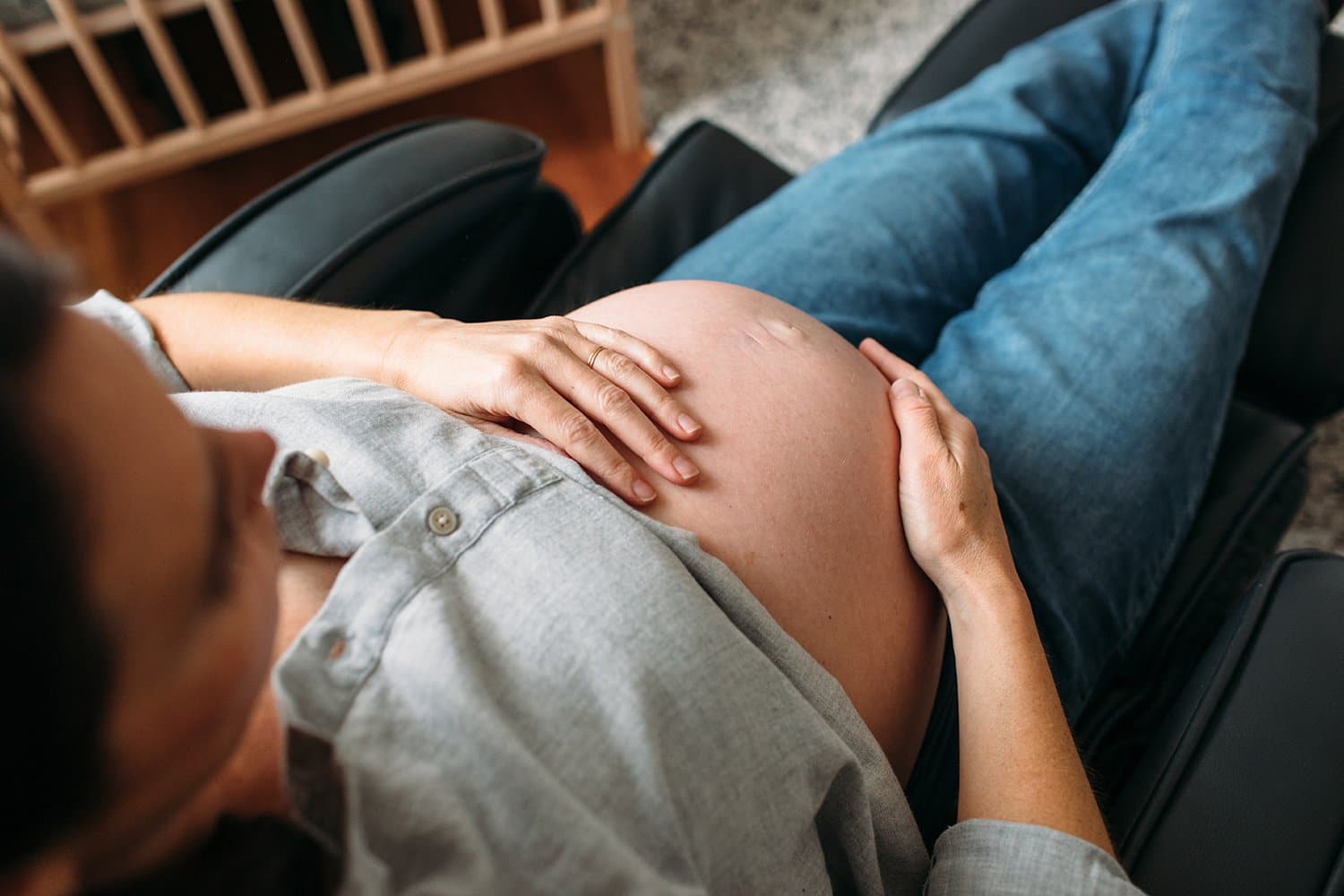
Family court judge Madeleine Reardon had previously found that "both brothers had had sex" with the woman "within four days of each other in the month when P was conceived", and that it was “equally likely that each of the brothers is P’s father”.
In the latest judgment, Sir Andrew McFarlane, sitting with Lady Justice King and Lord Justice Stuart‑Smith, confirmed that although DNA testing can establish that the child’s father is one of the two identical twins, it “is not possible to say which” of the brothers it is because their genetic material is virtually identical.
The judges explained that future scientific advances might one day be able to distinguish between the men, but that at present any attempt to do so without “very significant cost” is not feasible, meaning the child’s paternity remains scientifically and legally unresolved.

Sir Andrew said that while the twin currently listed on the birth register is “not entitled” to be registered as the father, and any parental responsibility he had “shall cease” for now, the court was “wholly unpersuaded” to make a positive declaration that he is not the father. He observed that “the failure to prove a fact means that that fact is not proved; it does not mean that the contrary is proved,” and that therefore the truth of P’s paternity “is binary and not a single man”.
Under current UK law, only a recognised parent can hold parental responsibility, and the ruling has left the situation unresolved while further arguments are awaited in a lower court, focusing on whether one or both of the twins should have legal responsibility for the child.
The identities of all parties involved have been protected by the court for privacy reasons, and the baby’s birth certificate continues to list one twin as the father, but without parental responsibility until further legal decisions are made.
.png)


.png)
%202.PNG)
%20(1).png)
.svg)
.svg)
.svg)