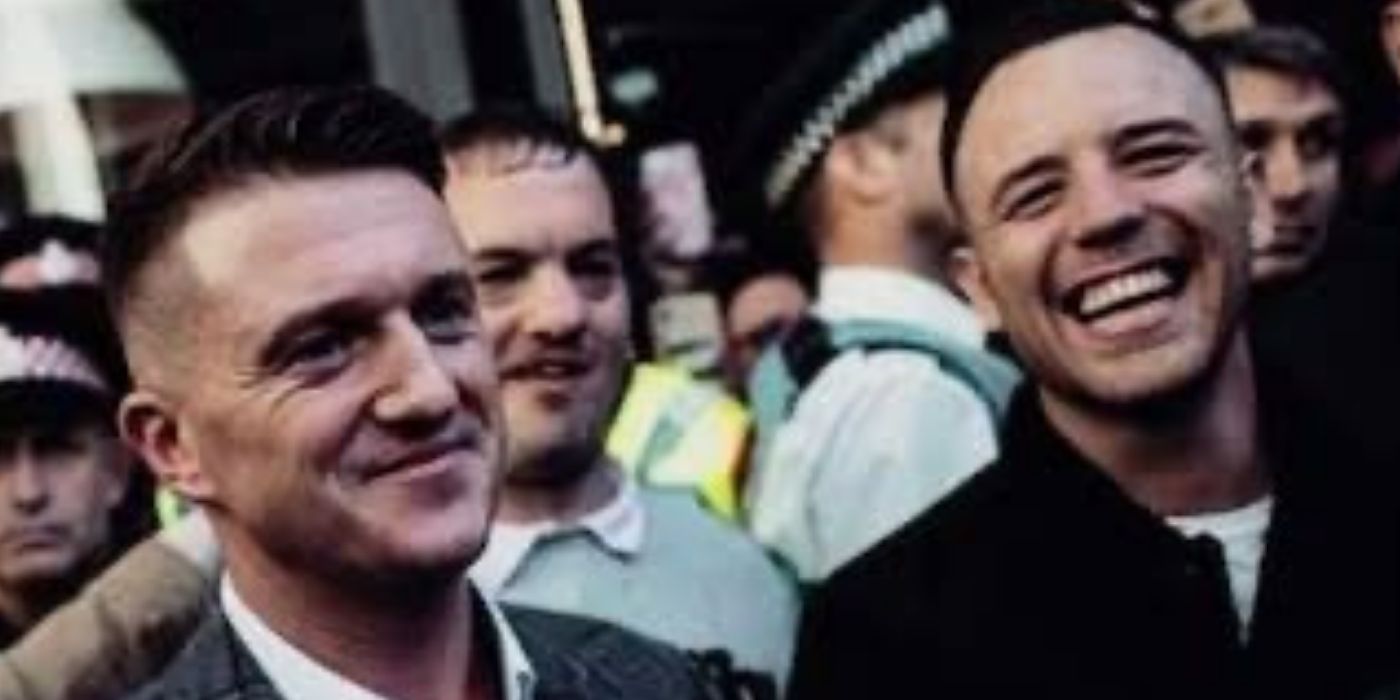

Far right activist Daniel Thomas, known as Danny Tommo, a known associate of Tommy Robinson, has caused widespread concern after posting a video ahead of the Unite The People rally scheduled for 16th May. In the message, he tells followers that the gathering will not be a typical demonstration, stressing that they are arriving with a stronger and more forceful intent.
Tommo insisted that the event would not be a symbolic show of support, stating,
“We are not coming to London to wave flags. We are not coming to London to walk down roads. We are coming to London for three days to defend our country, our children, our families, our heritage and the future of this country. We don't care about the moaners.”
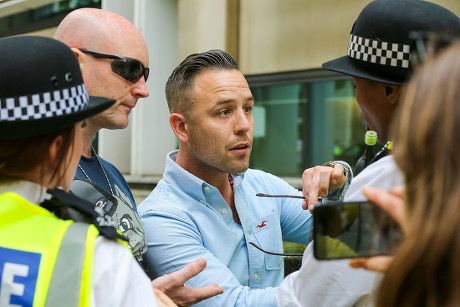
Throughout the video, Tommo rejected criticism from political opponents and internal disagreements within right wing groups, suggesting that supporters should prepare for a decisive shift in tone and action. He continued by saying,
“We know what needs to be done and they have pushed us to this. So make no mistake, on the 16th of May things change. That's the fact of it. Accept it.”
The message has sparked renewed debate about Tommy Robinson, whose rallies and associated movements have long attracted controversy. Robinson has been a central figure in far right activism in the UK for more than a decade, with his events often linked to violence, police intervention and widespread public safety concerns. His supporters, including Tommo, have been criticised for promoting hostility, anti-immigrant narratives and confrontational street politics.

Tommo himself has been a prominent figure at various right wing demonstrations and has previously appeared alongside Robinson at rallies across the country. His past involvement in confrontations with police, his online rhetoric and his role in organising protest activity have made him a well known name within far right circles.

The Unite The People rally, promoted as a protest against government policies and alleged threats to British cultural identity, has drawn scrutiny from community groups and security experts who warn that the tone of messaging surrounding the event resembles previous flashpoints linked to far right mobilisation.
.jpeg)
Following Tommo’s video, social media users expressed alarm, with many criticising both the messaging and the intent behind it. One commenter wrote,
“So they are marching against themselves? Because they are the biggest threats to their women and children.”
Another said,
“If you wanna defend your country geezer, why not get a job and start contributing rather than recording threatening videos from your mums kitchen.”
A third added,
“You may laugh now, but some of you are too young to remember combat 18 and the Brixton bombing…what we are seeing across the west is the rising of white far right groups who have been preaching about a race war for decades, it’s their dream, they train for it like paramilitary units, and they believe in it like a religion…”
Combat 18, a violent neo-Nazi group active in the UK during the 1990s and 2000s, became known for orchestrating attacks and promoting white supremacist ideology. Their activities were linked to multiple acts of racial violence, including the 1999 nail bomb campaign that targeted minority communities in Brixton, Brick Lane and Soho. The Brixton attack injured dozens and remains one of the starkest reminders of how far right extremism can escalate into real-world harm.

Concerns surrounding the Unite The People rally have therefore intensified, with commentators drawing parallels between Tommo’s rhetoric and the type of escalation seen in previous far right movements. Community leaders and anti-extremism experts have called for vigilance, urging authorities to monitor the event closely to prevent tensions from boiling over.
As the planned 16th May gathering approaches, the tone of messaging from organisers and prominent figures involved has only heightened unease. Whether the rally remains peaceful or becomes another flashpoint for disorder will depend heavily on how supporters respond to the increasingly heated rhetoric being shared online.
.png)


.png)
%202.PNG)
%20(1).png)
.svg)
.svg)
.svg)