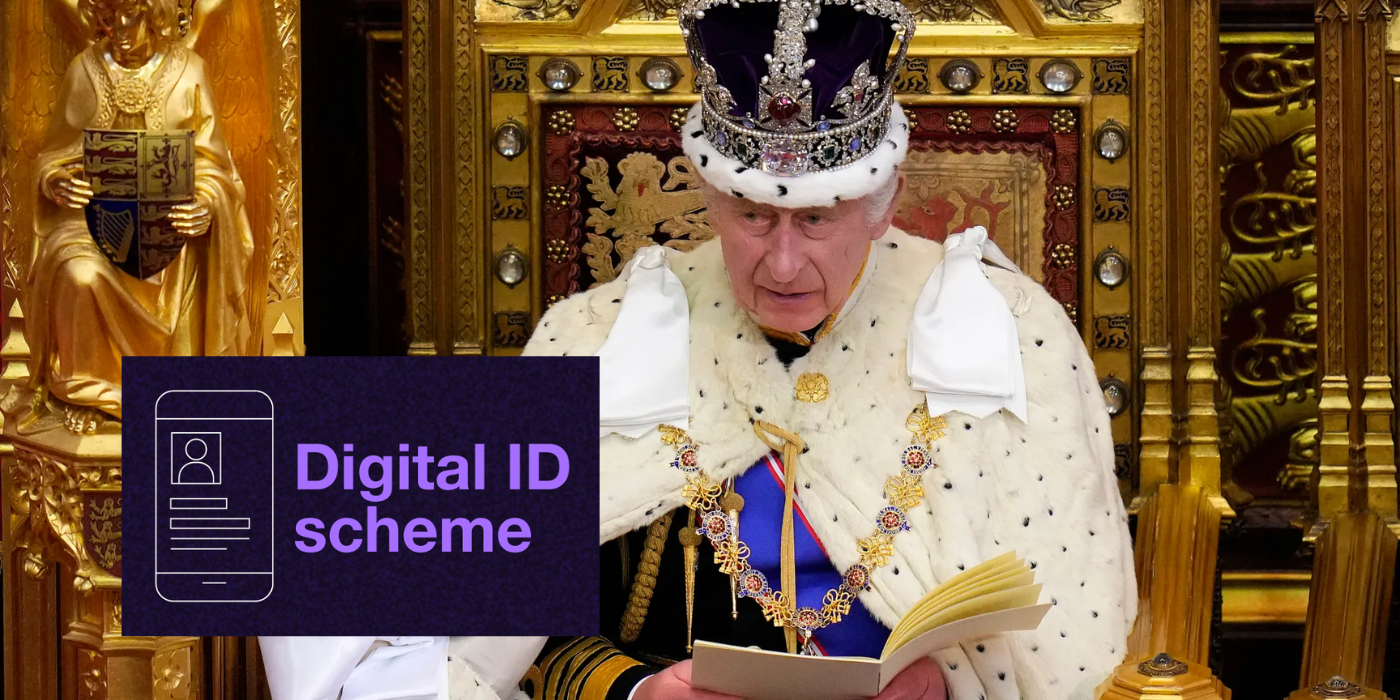

King Charles III has officially approved the government’s new digital ID scheme during the King’s Speech to Parliament, clearing the way for a major shake up in how people verify their identity in the UK. Setting the stage for one of the UK’s biggest changes to identification systems in years 👀📱
The announcement came as the King outlined the government’s legislative agenda for the next parliamentary session on behalf of Prime Minister Sir Keir Starmer’s administration.
The digital ID plans are part of a wider government push to modernise public services and move more systems online. According to the government, the scheme would allow citizens to securely verify their identity using a digital format rather than relying solely on physical documents like passports or driving licences.
Officials claim the system could help streamline everything from employment checks to renting properties and financial applications.
The government also says the digital ID would not be compulsory and could particularly help people who currently struggle to access traditional forms of identification.

The idea of digital identification has been floating around British politics for years, originally appearing in the form of proposed national ID cards under former Prime Minister Tony Blair in the early 2000s. At the time, the plans sparked huge backlash over concerns around privacy, government overreach and surveillance.
Now, under Labour’s new plans, digital ID is being presented more as a convenience tool and part of the country’s broader digital transformation.
%20-%201.PNG)


%20(1).PNG)
.png)
.png)
.svg)
.svg)
.svg)