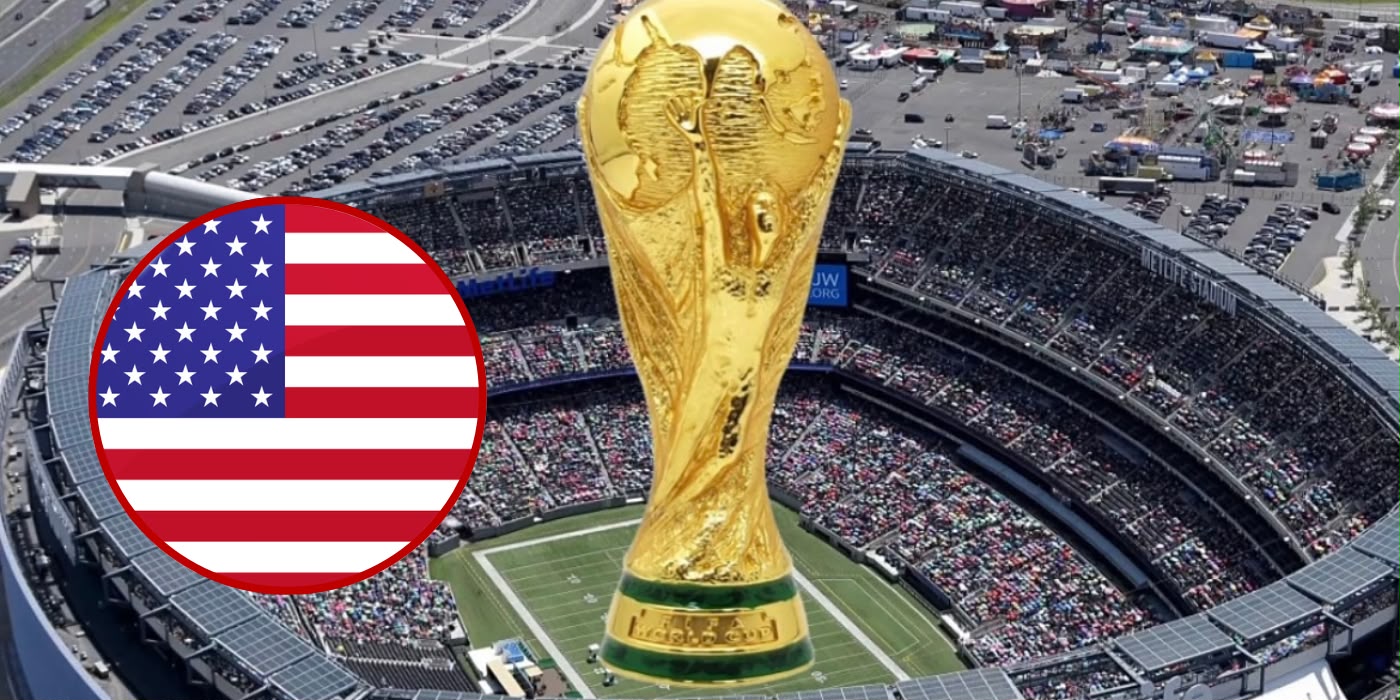

The 2026 FIFA World Cup has delivered memorable moments on the pitch, but away from the football, a growing number of supporters have voiced concerns about what they believe has been one of the tournament's most challenging fan experiences in recent history.
Co-hosted by the United States, Canada and Mexico, this year's competition is the first World Cup to be spread across three different countries. While many welcomed the expanded format when it was announced, the reality of travelling between venues has left some fans questioning whether the tournament has become too difficult and expensive to follow in person.
.jpeg)
One of the biggest complaints has centred on the vast distances between host cities.
Unlike previous World Cups, where supporters could often travel between stadiums by coach or train within a few hours, many fans attending this year's tournament have found themselves needing multiple flights to follow their national teams. With venues spread across North America, journeys of well over a thousand miles have become common, raising concerns over affordability, convenience and the overall supporter experience.
.jpeg)
The financial cost of attending has also become a major talking point.
Many supporters have reported paying high prices for flights, hotels and match tickets, while accommodation costs have surged in several host cities due to increased demand. Once travel, food and other expenses are added, some estimates suggest following a team throughout the tournament can cost several thousands of pounds, placing attendance beyond the reach of many supporters.
.jpeg)
Immigration and visa issues have created another challenge for travelling fans.
Several supporter groups and football associations have raised concerns about visa delays, travel restrictions and border policies that they believe have complicated attendance for fans from certain countries. Some national teams have also expressed concerns regarding travel requirements and entry procedures, with critics arguing that a World Cup should be equally accessible to supporters from every nation.
.jpeg)
The weather has also become a significant talking point throughout the competition.
Several matches have been played in extremely hot conditions, leading to growing concerns about player welfare as well as the experience for supporters inside stadiums. The issue became so prominent that FIFA introduced mandatory cooling and hydration breaks during matches, particularly for games played in the hottest parts of the day.
.jpeg)
Although football's governing body says the breaks are designed to protect players from dangerous temperatures, not everyone has welcomed the change.
Some supporters have argued that broadcasters have used the pauses as extended advertising opportunities, with the stoppages becoming associated with commercial breaks rather than simply protecting player welfare. Critics believe the interruptions affect the flow of matches and have described them as another example of the increasing commercialisation of football.
.jpeg)
Despite the criticism, many fans have defended the tournament, pointing out that the United States successfully hosted the World Cup in 1994 and arguing that some complaints have been exaggerated.
Others have also noted that hosting a tournament across three countries naturally presents logistical challenges that would be difficult to avoid.
.jpeg)
The debate has continued across social media, where opinions remain divided.
One person commented: “The travel distances between the games have been so annoying.”
Another wrote: “Remember when they thought South Africa and Qatar were not fit to host the World Cup...well well well”
Another commented: “Other than the immigration/visa issues it's not that bad toh. People forget that the US already hosted a very successful World Cup in 1994.”
With plenty of football still left to be played, supporters will hope the conversation shifts back to what happens on the pitch. For now though, the tournament has shown that hosting the world's biggest sporting event is about far more than the matches themselves, and fans are unlikely to stop debating whether this format has enhanced or complicated the World Cup experience.
%20-%201.PNG)


%20(1).PNG)
.png)
.png)
.svg)
.svg)
.svg)