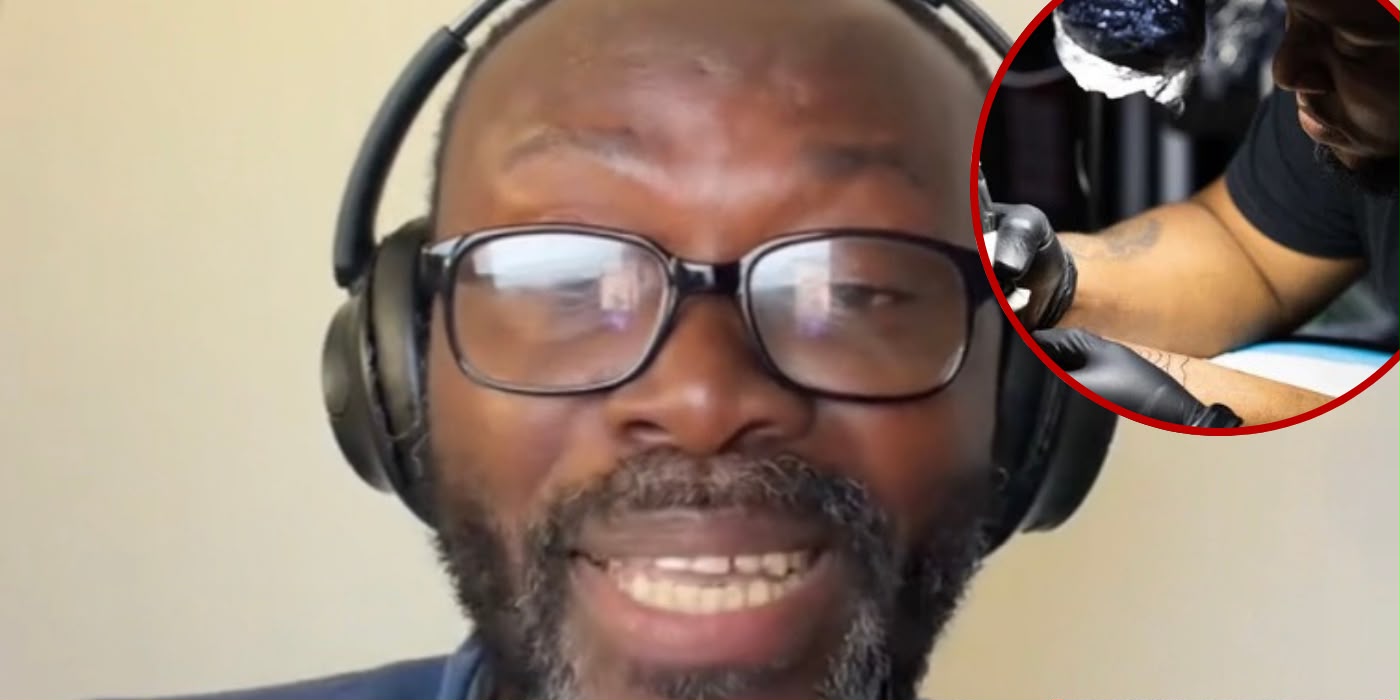

An African father has sparked a wider conversation about parenting, culture and self-expression after sharing a message for parents who strongly disapprove of their children's tattoos and piercings.
Nana, who creates content online under the name MindBehindMindShift360, addressed the subject in a TikTok video after considering how some parents react when their children make decisions about their appearance that do not align with family expectations.
Using examples such as nose, tongue and multiple body piercings, he described the kind of situation that can cause conflict inside a family, particularly when a young person announces that they intend to get a tattoo.
.jpeg)
He explained that some parents may immediately see such choices as unacceptable, particularly in households where religion, reputation and traditional ideas about how young people should present themselves are strongly emphasised. Nana said parents can react by questioning whether their child has suddenly changed as a person simply because they have decided to alter their appearance. He asked:
"Has she suddenly become unintelligent? Father, mother, dad, mom. Has her character changed suddenly?"
Rather than automatically viewing tattoos and piercings as a reflection of someone's personality, Nana encouraged parents to consider whether their child's behaviour, values and character have actually changed.
He questioned why parents can become so prejudiced towards body art when the person underneath it remains the same.
"Why are you being prejudiced about these things?"
Nana also warned that particularly harsh reactions can have the opposite effect to what parents may intend. If a young person believes their family will react with anger, rejection or punishment, they may simply choose to hide their decisions instead. He said he had heard of families taking particularly severe action against children because of tattoos or piercings, including physically punishing them or forcing them out of their homes. The creator argued that such responses can damage the relationship between parents and children rather than preventing young people from making decisions about their appearance.
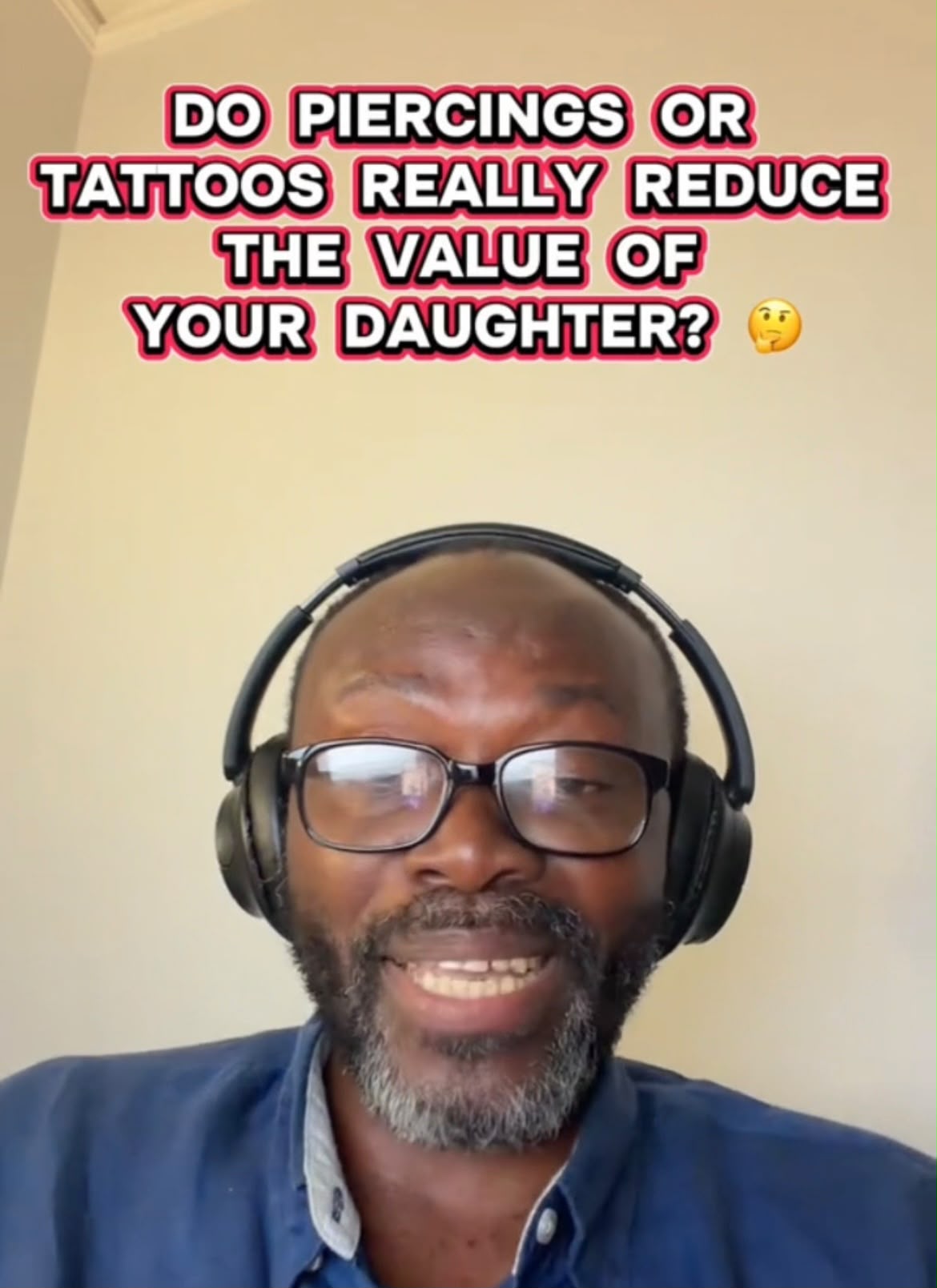
For him, the conversation is ultimately about challenging assumptions surrounding body art and the people who choose to have it. He said:
"Body art. Why are we still being so prejudiced about these things?"
Nana acknowledged that he understands why some parents may worry about how tattoos or piercings could affect the way their children are perceived by other people. However, he believes those concerns should not automatically lead parents to make assumptions about the kind of person their child will become. He explained:
"I understand the fear of stereotyping. I know."
He then pointed towards the changing attitudes of society, arguing that tattoos and piercings are no longer confined to one particular type of person.
"I've met a lot of young people with tattoos, with piercings and they are as kind and they are lovely and they are hardworking in various offices and various professions."
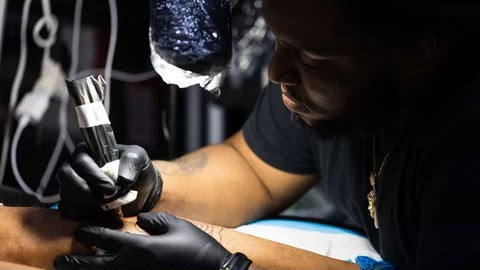
His comments prompted a mixture of reactions from viewers, with some sharing their own experiences of dealing with disapproving parents.
One person recalled the reaction from their own mother after getting a piercing, writing:
"My mum couldnt sleep and started fasting when i got mine. One of my aunties complimented me and my mums response was 'yes they're nice arent they". More time theyre just worried about how it will be percieved my their peers and church colleagues."
Another viewer described the anxiety that can come with returning home after making a decision their parents may not approve of, saying:
"When I got my ear pierced- let's just say I had to think long and hard about coming home that day."
However, not everyone agreed that parents should simply accept tattoos and piercings without setting boundaries.
One parent offered a contrasting perspective, writing:
"Probably unpopular opinion, but as a parent I teach respect of boundaries. Under my roof those things may be a boundary when she is of an age to claim independence she may do as she wishes. The same goes for school or work etc they each set boundaries for what is acceptable and not and we must obey or face exclusion or dismissal, why any different at a parents home."
That response highlights one of the central tensions surrounding the issue, the difference between a parent expressing concern and a parent attempting to control their child's appearance.
For many African families, tattoos and piercings can carry a meaning that goes far beyond personal style. Attitudes towards body modification can be influenced by religion, cultural traditions, family reputation and expectations around respectability. In some households, being well presented can be viewed as an important reflection not only of the individual but also of the family that raised them. A tattoo or visible piercing can therefore be interpreted as something that could affect how relatives, members of a church community or wider society perceive the person.
.jpeg)
There can also be concerns about professional opportunities. Although attitudes towards tattoos have changed considerably in the UK, some workplaces and professions continue to have rules or expectations around visible body art. Certain employers may have policies covering tattoos or piercings, particularly where employees are expected to maintain a particular professional appearance.
For example, UK police recruitment guidance has historically recognised that applicants with visible tattoos or facial piercings can be eligible, although individual cases can be assessed according to factors including the location, size and prominence of tattoos. This demonstrates how professional attitudes have changed, while also showing that appearance can still matter in some occupations.
At the same time, tattoos have become far more mainstream in Britain. Recent reporting has suggested that almost 28% of Britons now have at least one tattoo, illustrating just how common body art has become compared with previous generations. That shift can create a generational divide inside families. Parents who grew up in environments where tattoos were associated with criminality, rebellion or certain subcultures may view them very differently from younger people who see them primarily as a form of identity and self-expression.
For African parents in particular, there can be an additional layer to those concerns. A parent may worry that a tattoo or piercing could lead relatives or members of their community to question their child's upbringing, faith, values or future prospects.
.jpeg)
Nana's point, however, is that parents should separate those fears from their assessment of the actual person standing in front of them.
He argued that having body art does not automatically mean someone has become disrespectful, irresponsible or less ambitious, and said young people should be judged according to their actions and character rather than assumptions attached to their appearance.
Another major concern raised in the video was secrecy. Nana warned that when parents respond with extreme anger, young people may simply become better at hiding things from them.
"Because of what you're doing, they're actually hiding it from you, mom, dad. Your kid has a tattoo and you've never seen it. Your child has a piercing and you've never seen it because they are hiding it from you so that you don't come and overreact."
For Nana, this is where the conversation becomes particularly important. A parent may believe that banning tattoos or piercings is protecting their child, but if the result is that the child stops being open with them, the relationship can become more difficult.
He was also clear that parents still have a responsibility to guide their children and help them make sensible decisions. Rather than suggesting that parents should simply allow everything, Nana said they should consider the individual child, their maturity and the consequences of the decision.
"It is your responsibility to be able to guide them into making the right decisions. I agree but you need to look at each child and what they bring to the table, each child and how they behave in the wider world."
That distinction appears to be at the heart of his message. Parents can have boundaries and concerns, particularly when their children are still living at home, while also making sure those boundaries do not become so severe that they damage trust.
Ultimately, Nana's advice is less about convincing every parent to suddenly embrace tattoos and piercings and more about encouraging them to look beyond the body art itself.
As an African parent speaking from his own experiences of the culture and expectations surrounding appearance, his message has resonated with people who have faced similar reactions at home.
For some parents, concerns about reputation, religion and future opportunities will remain genuine. For others, changing social attitudes mean tattoos and piercings are simply another form of self-expression.
.png)


%20(1).png)
.png)
.png)
.svg)
.svg)
.svg)