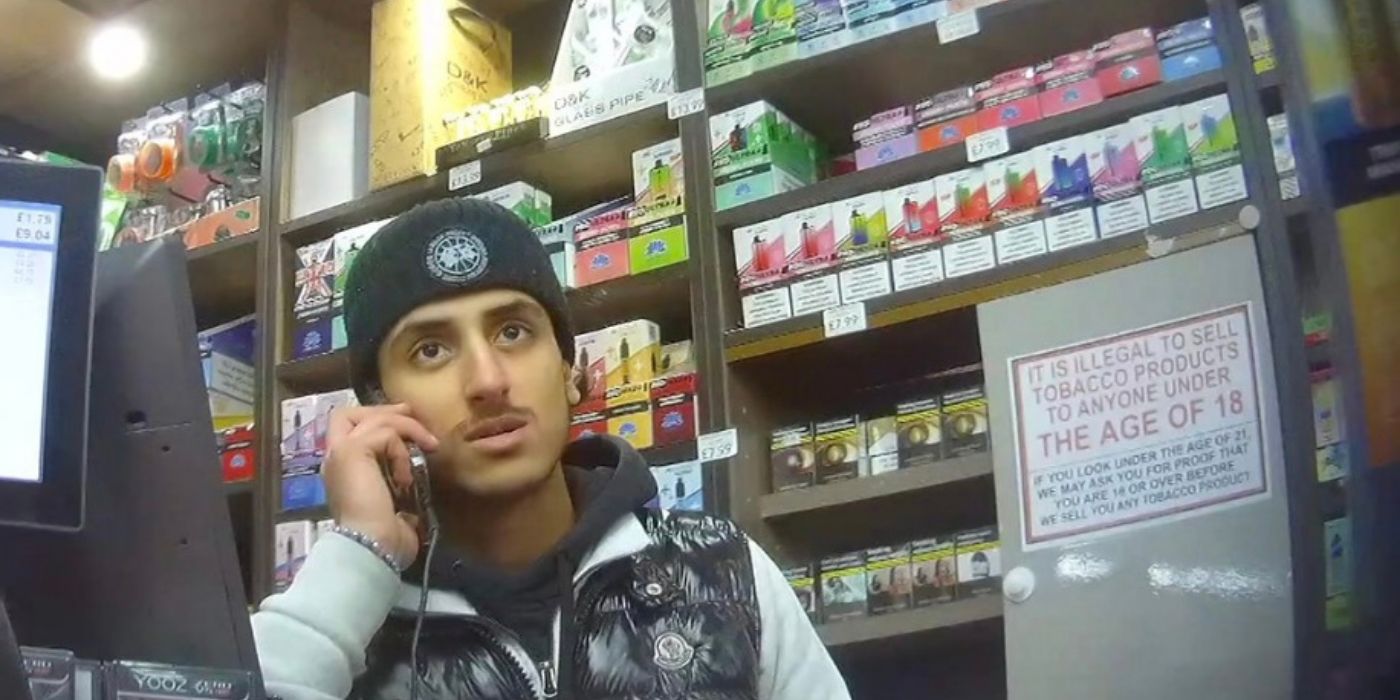

A BBC News investigation has found that cocaine, cannabis, laughing gas and prescription pills are being made available for purchase inside mini marts on high streets across the UK.
Undercover reporters visited stores in four neighbouring towns in the West Midlands, where illegal substances were offered with ease and covert filming captured the exchanges in full.
One street visited during the investigation was described as “lawless” by an anonymous law enforcement source, who warned that criminal groups had embedded themselves so deeply that basic order had eroded.
Not far from that area, in another town where drugs were also being sold openly in shops, legitimate business owners said they had been subjected to threats from gangs and had witnessed both knife and firearm incidents, leaving many fearful for their safety.
Both the National Crime Agency and the Chartered Trading Standards Institute have warned that shopfronts nationwide are being exploited by organised criminal groups that have secured a foothold in the illicit drug market. As part of the investigation into the rise of criminal activity on UK high streets, dozens of recent local reports were analysed, revealing that from Bideford in Devon to Great Yarmouth in Norfolk to Belfast in Northern Ireland, drugs including heroin and crystal meth had been discovered in more than 70 stores and related premises.
Responding to the findings in the West Midlands and beyond, senior Labour MP Liam Byrne called for immediate government intervention.
“We can't restore our High Streets unless we take out the cancer of organised crime,” he said.
During one visit to a mini mart in Cradley Heath, a man behind the counter told the undercover reporter,
“I've got weed, coke, everything. Whatever you want, I can sort you out.”
.jpeg)
The BBC had travelled to the Black Country town as part of its year long investigation after a whistleblower from inside law enforcement claimed that drug dealing gangs had taken over its 300 metre stretch of high street.
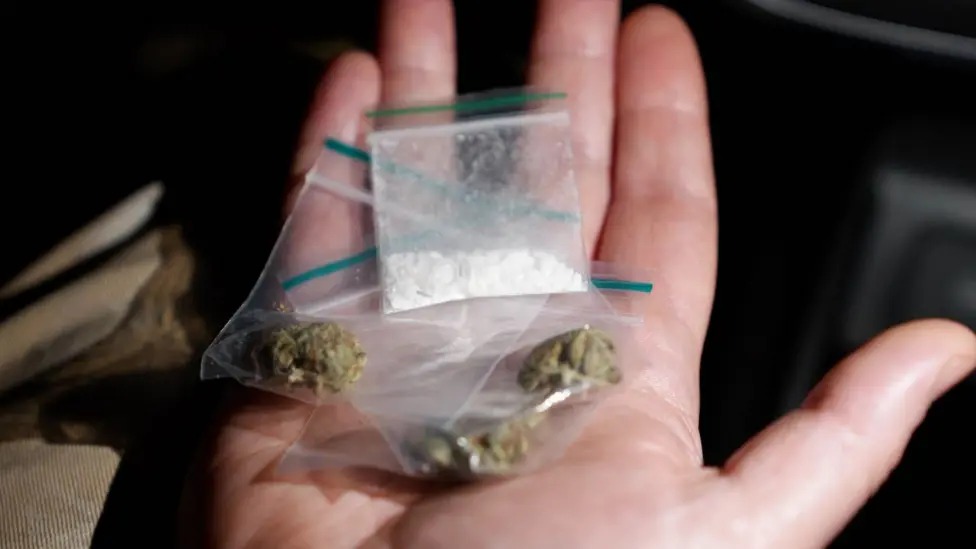
When the reporter asked about cannabis, the man behind the counter at a store named Cradley Market produced 3.5 grams within seconds, selling it for £30. After careful consideration, the programme’s team decided there was clear public interest in conducting test purchases.
The undercover researcher went on to buy cannabis from the same shop during a second visit. Beyond shelves of soft drinks, sweets and baby products, he was escorted to the rear of the premises, where a man who gave his name as Akwa retrieved a small bag from a rucksack.
When the reporter then asked if cocaine was available, Akwa immediately made a phone call to arrange it. A couple of hours later, a gram of cocaine was delivered to the premises and sold for £95.
While inside the store, Akwa also displayed images of prescription medication on his phone and encouraged the undercover reporter to take photos and pass them on to anyone who might be interested. Among the drugs shown was pregabalin, which is prescribed for anxiety, nerve pain and epilepsy, and has been linked to a rise in drug related deaths due to misuse.
When later confronted with the findings, Akwa denied involvement in any illegal activity. When asked directly about drug sales, he said he did not know what was being referred to, before asking the BBC team to leave.
Online reaction to the BBC’s findings has been mixed. One commenter wrote,
“Typical BBC, asking disadvantaged youngsters why they’re selling drugs but never asking they’re colleagues why they keep accessing CP.”
Another said,
“So bro just trusts absolutely anyone who asks for drugs?”
A third added,
“This is so cringe, why not stop it coming in the country if you care that much?”
The investigation continues, with growing calls for more action to protect high streets and prevent criminal groups from using everyday shops to fuel illegal markets.
The findings were shared with the local authority. Sandwell Council said it was working alongside the police to address illegal practices in the area. Under anti social behaviour laws, a shop can be closed for up to three months, although statements from businesses and local residents are often required. The BBC was told that after closures, some offenders simply move a short distance away and reopen.
John Herriman, chief executive of the CTSI, confirmed that the organisation wants closure orders to be extended to 12 months, with the option of permanent shutdowns for persistent offenders.
Liam Byrne, who chairs the Business and Trade Committee, reiterated calls for the government to urgently increase enforcement resources and strengthen legislation.
.png)


.png)
.png)
.svg)
.svg)
.svg)