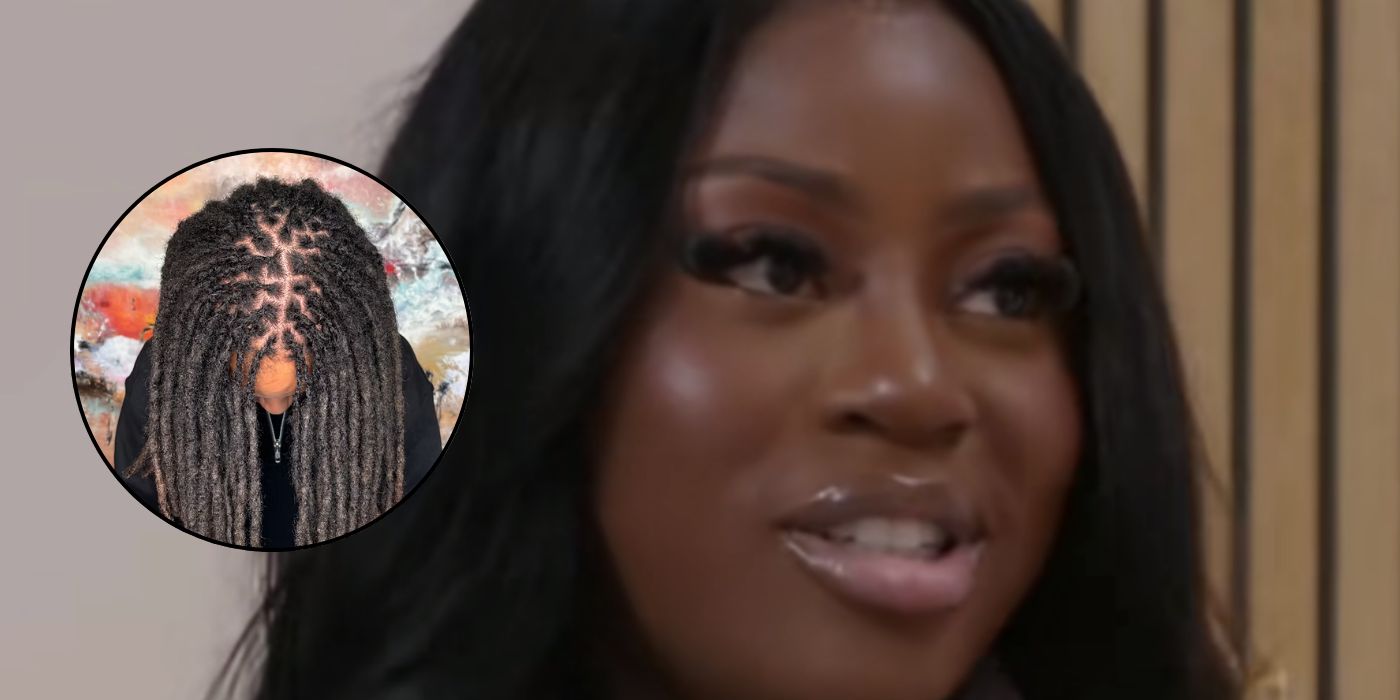

A podcast discussion on Pey Attention Podcast has gone viral after guest Amina Mae made controversial remarks about men with locs, suggesting they smell unpleasant and linking it to smoking habits. The remark prompted backlash online, with many defending the community and highlighting long standing stigma, discrimination and cultural misunderstandings around locs in the UK and beyond.
The comments were made during a recent episode of the Pey Attention Podcast, where hosts and guests were discussing first impressions in men. The conversation initially focused on more general expectations such as hygiene, presentation, and smelling good. However, the discussion quickly shifted when Amina Mae, who is known online under that name, introduced her views on men with locs, making remarks that have since sparked widespread debate online.
.jpeg)
Amina Mae made a series of comments during the conversation, stating:
“Guys with dreads do not smell nice. They smell like death. What you would expect a ghost to smell like, is what they [men with dreadlocks] smell like.”
She continued:
“They just smell like death and hopelessness.”
The host of the podcast then questioned what specifically she believed could cause that smell, prompting Amina to expand on her view.
She said:
“Most dread-heads, I don’t know why, but they smoke. When they smoke it gets caught in their hair. They just smell like hopelessness.”
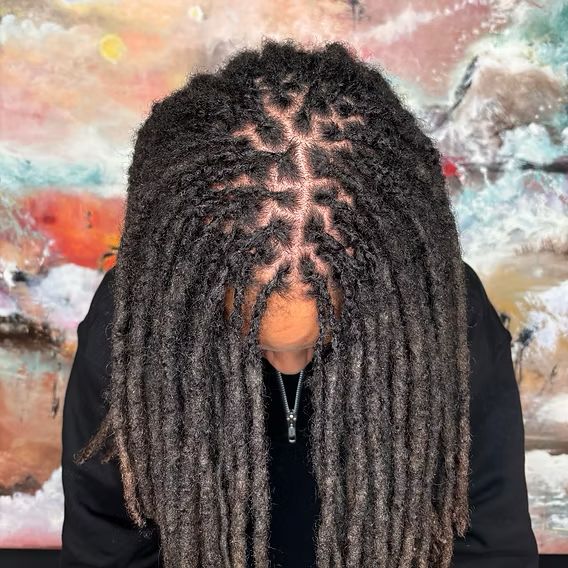
The host appeared visibly shocked by the comments and challenged her further, asking whether she believed this applied to all men with locs. Amina responded:
“Most. I’ve seen people complaining about it.”
The host pushed back, explaining that she has friends with locs and has not experienced any issues with smell, adding that she does not typically inspect their hair closely. Amina replied:
“Smell their head and then come back to me.”
.jpeg)
Following the clip circulating online, reactions have been strongly divided, with many criticising the comments as harmful stereotypes. One commenter said,
“KMT, some of the most gorgeous black men have dreads. They definitely don’t play about their hair in regards to style, letting anyone put their hands in it, and hygiene. Also remember some people with dreads are Rasta’s too. Don’t disrespect the Rasta man like that. Someone may not be hygienic with their hair but that goes for people without dreads too so lets not do that.”
Another added,
“Does she realise she is offending an entire religious community of Rastafarian.”
A third comment read,
“Imagine spreading and adding to the misconception and stigma of your own people, I don’t know what men with locs YOU have been around, maybe it’s just the type of men you go for in general because the people I know with locs happen to be some of the cleanest people that keep up with their appearances.”
.jpeg)
The backlash has also reignited wider conversations around the stigma attached to locs in the UK and beyond.
Historically, locs have been subject to misunderstanding and bias, particularly in professional, educational, and workplace environments where natural Black hairstyles have sometimes been unfairly labelled as unprofessional or unkempt. In recent years, there has been growing recognition of hair discrimination. In the UK, equality legislation such as the Equality Act 2010 protects individuals from discrimination linked to race, which includes cultural and natural hairstyles in certain contexts.
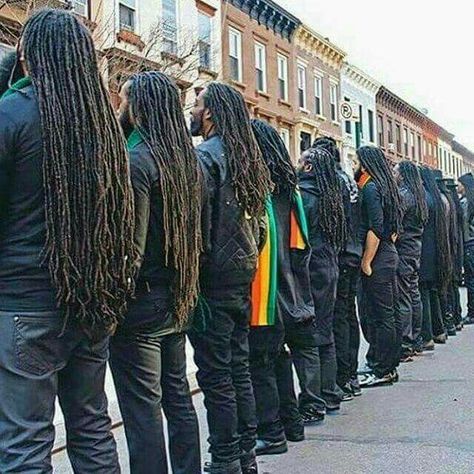
Campaigns led by members of the Black community and advocacy groups have also pushed for clearer protections in schools and workplaces, following reported cases where students and employees have been challenged or penalised over wearing natural hairstyles including locs, braids and afros.
Guidance in schools and professional settings has increasingly been updated in response to public pressure, aiming to reduce discriminatory policies and ensure hair texture and protective styles are not unfairly targeted.
Despite these changes, discussions around locs continue to highlight ongoing cultural misunderstandings and stereotypes that many say still affect how individuals are perceived in everyday life.
.png)


.png)
.png)
.svg)
.svg)
.svg)