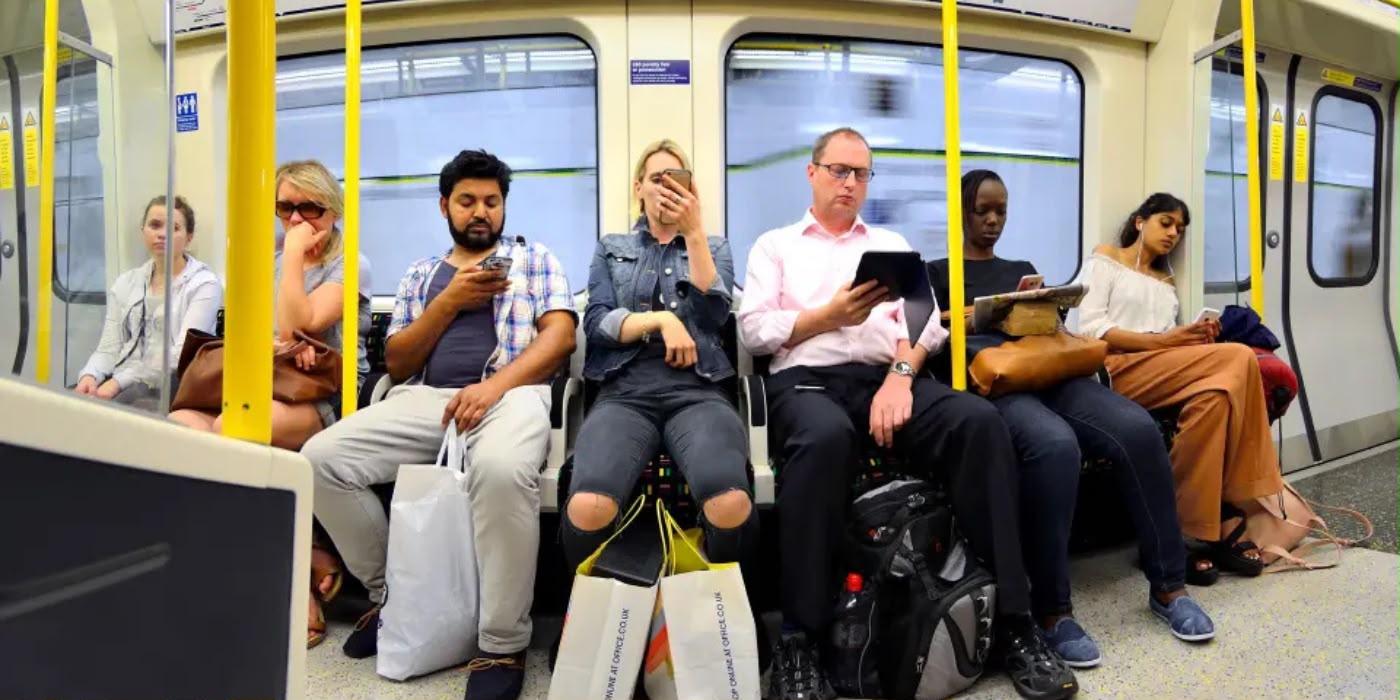

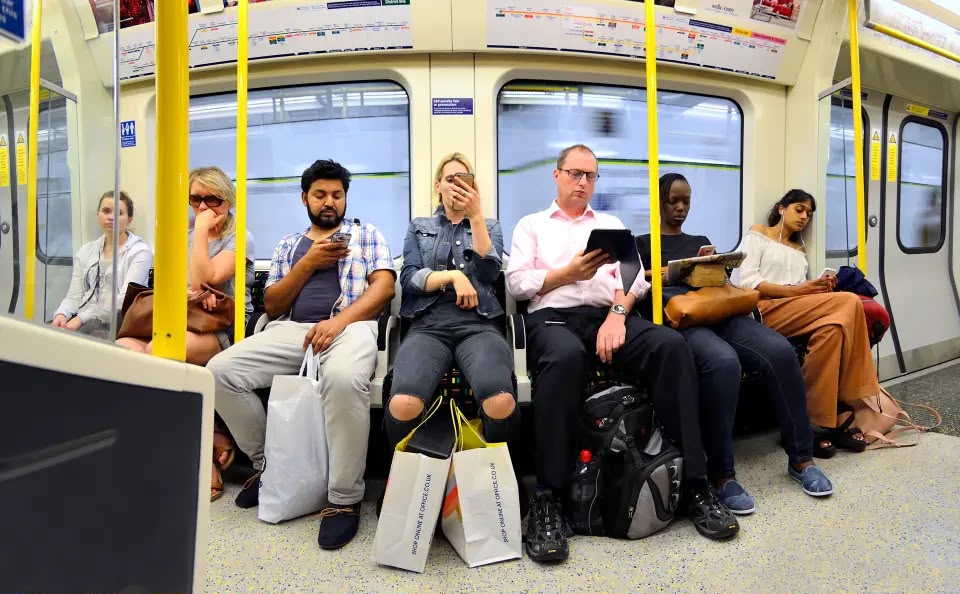
The UK government has announced new measures targeting passengers who play music, watch videos or make calls on loudspeaker without considering those around them, with people who engage in the behaviour being labelled “headphone dodgers”.
Prime Minister Andy Burnham launched the nationwide campaign on Monday, 19 October, aiming to make journeys more comfortable by tackling noise and other forms of antisocial behaviour across public transport.
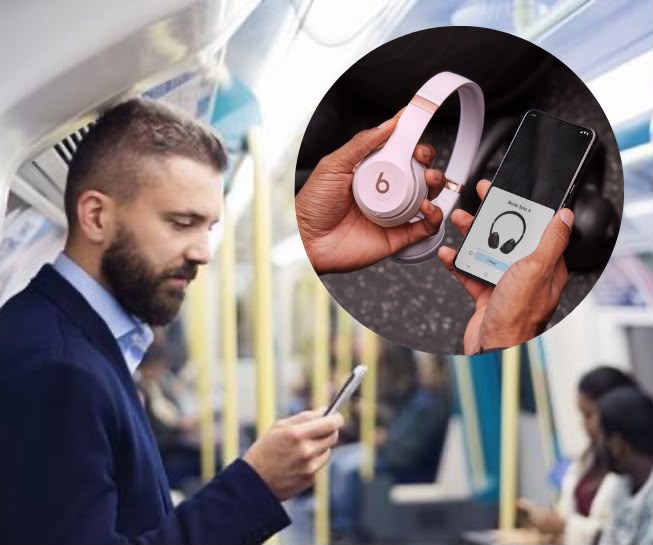
The initiative encourages passengers to use headphones rather than play audio through their phones' speakers, particularly on busy trains and buses where other travellers may have little choice but to listen.
As part of the campaign, posters and public announcements will remind passengers to be considerate of others, with the message “share the carriage, not the noise” being used to promote more respectful behaviour.
Burnham explained why the government was introducing the measures, saying:
“We’ve all been on the train when someone starts blasting music or videos from their phone. It gets on your nerves and can quickly spoil the journey.”
He added: “It’s a simple thing, but one that will make journeys that little bit better for all of us.”
The campaign forms part of the government's wider efforts to tackle everyday antisocial behaviour and improve the experience of using public transport.
Under the new guidance, local transport authorities in England can introduce and enforce rules targeting nuisance behaviour on buses, including playing loud music, vaping, littering and threatening behaviour.
Passengers who refuse to stop certain disruptive behaviour when asked could face fixed penalty notices of up to £100. The measures build on powers introduced through the Bus Services Act 2025, with local authorities responsible for deciding how the rules will be applied in their areas.
However, the £1,000 maximum fine highlighted in the campaign's headline relates to existing powers on the railway network. Train operating companies can already pursue penalties of up to £1,000 for certain antisocial behaviour, including playing music or videos aloud and refusing to comply with requests from authorised staff.
The distinction means passengers should not assume that everyone caught playing audio aloud will automatically receive the maximum penalty. The consequences depend on the transport network, the applicable rules and how the passenger responds when asked to stop.
Bus drivers will not be expected to enforce the new rules themselves. Instead, authorised officers, including transport safety officers and police, will be responsible for dealing with incidents.
The government has outlined a three-stage approach to enforcement, beginning with engaging the passenger, explaining the rules and their impact on others, and taking action if the individual refuses to comply.
On trains, passengers who ignore requests from authorised railway staff can be removed at the next station or face prosecution and a fine.
Transport Secretary Heidi Alexander also backed the campaign, highlighting the frustration caused when a small number of passengers disrupt journeys for everyone else.
She said:
“It is so frustrating when the actions of an inconsiderate few spoil journeys for the rest of us, whether that is vaping, littering or blasting music out loud. Even small changes in behaviour can make a massive difference to people’s experience on public transport.”
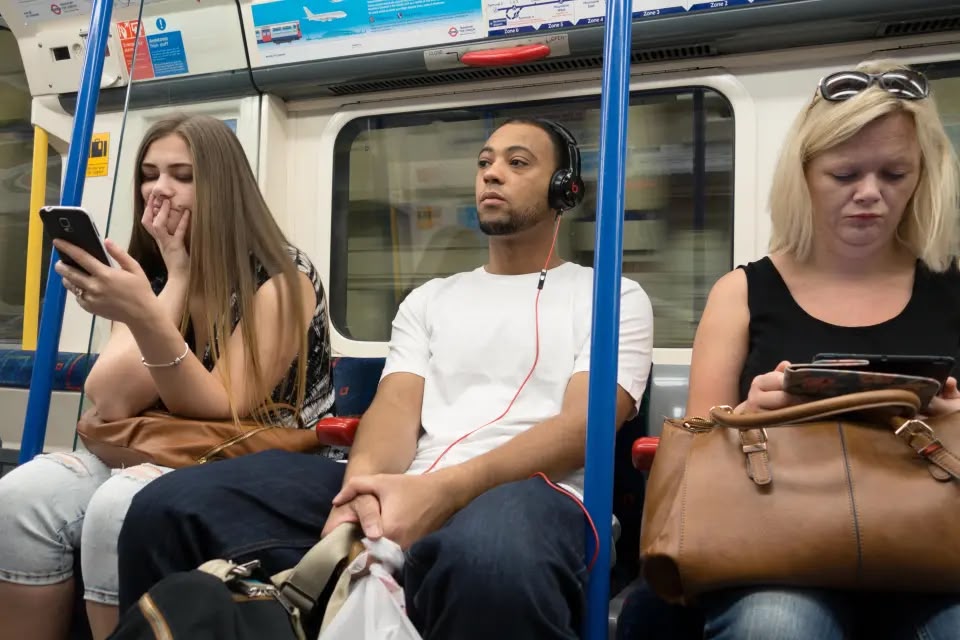
The government hopes the campaign will encourage people to think about how their behaviour affects fellow passengers, particularly during busy commuting periods when people may be travelling to work, school or important appointments.
The announcement has sparked debate online, with many commuters welcoming the prospect of quieter journeys, particularly those who regularly encounter people playing TikTok videos, music or phone calls aloud on public transport.
One person supported the move, commenting:
“This is absolutely justified! And well needed too!!”
Another expressed relief at the prospect of stricter enforcement, writing:
“Thank God!!!!” Imagine 7AM in the morning listening to someone else’s TikTok’s. Vile.”
The reactions reflect the frustration some passengers feel when they are forced to listen to other people's entertainment during their commute, especially early in the morning or after a long day at work.
However, others questioned whether the crackdown was necessary at a time when many households are struggling with the cost of everyday essentials. One person wrote:
“People can’t afford eggs and now you’re telling them to buy headphones, SIGH.”
Another raised concerns about how far the rules could eventually go, commenting:
“Give it time and you’ll get a fine if people hear sound coming from the headphones next…”
While some have welcomed the measures as a reasonable way to encourage consideration for others, the reactions show that not everyone is convinced about the government's approach or how the rules will be enforced.
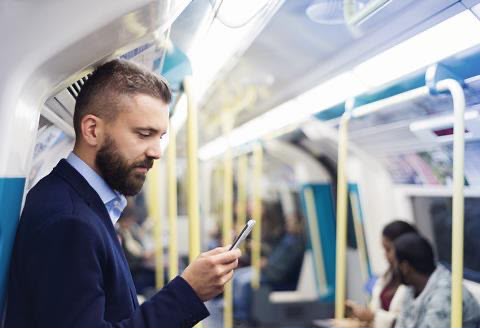
For now, the campaign is focused on encouraging passengers to keep their audio to themselves, rather than introducing a blanket ban on using phones during journeys.
With fines already available for certain behaviour on trains and new enforcement guidance being introduced for buses in England, passengers are being reminded that playing audio aloud can have consequences if they refuse to stop when asked.
Whether the measures will lead to a noticeable change in commuter behaviour remains to be seen, but the government is hoping that a simple request to use headphones will make public transport a more pleasant experience for everyone.