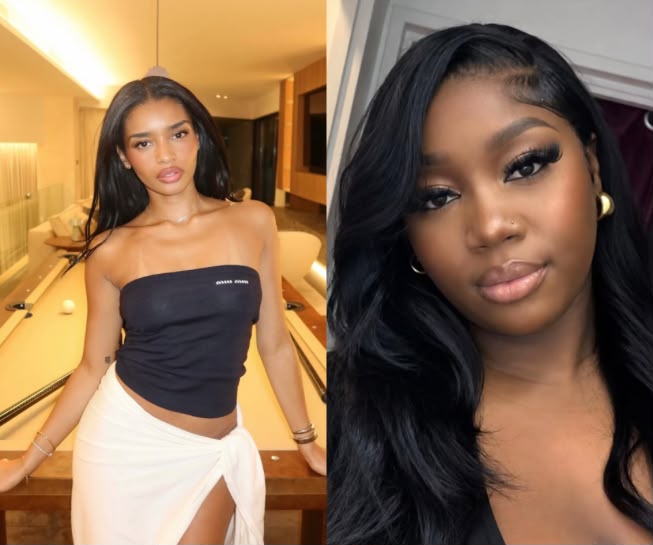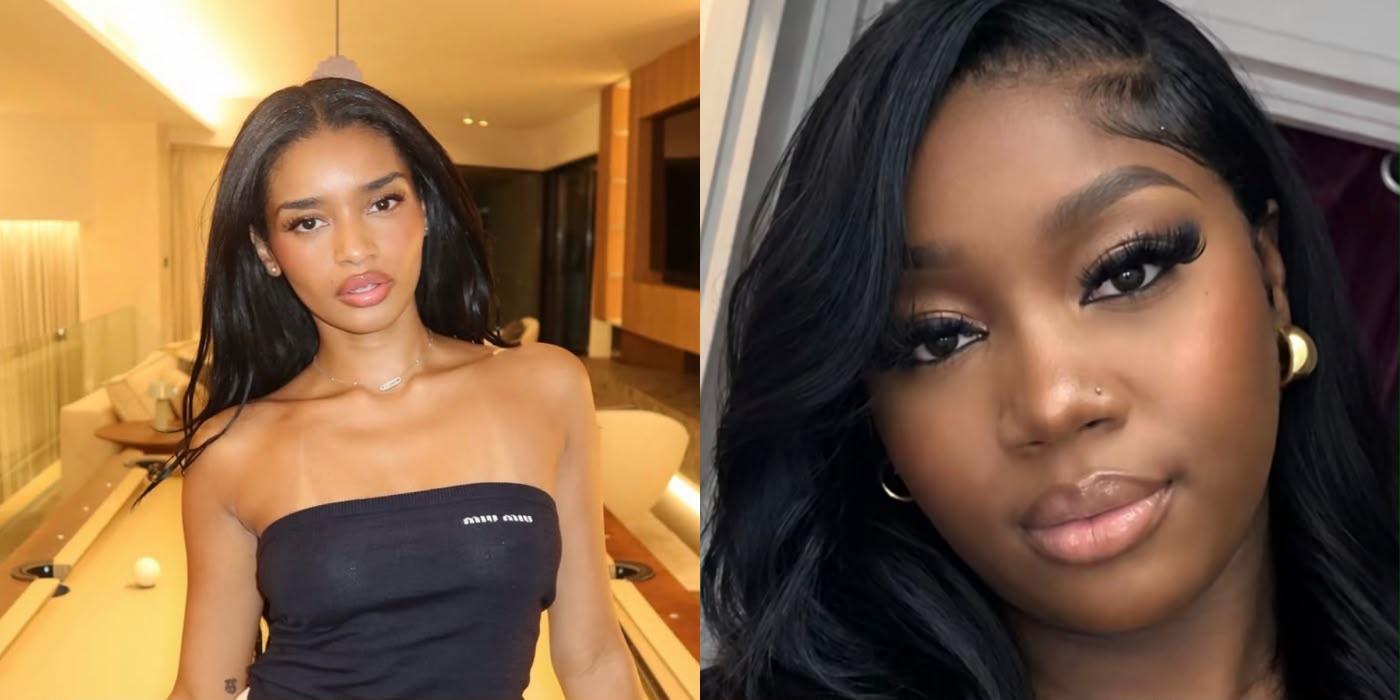

6Kenza, also known as Kenza Boutrif, has sparked backlash online after responding to a French content creator who criticised her content, with the exchange opening up a wider conversation about authenticity, influencer culture and the way public figures handle criticism.
The discussion began after Sarzana, a smaller French content creator, shared her thoughts on Kenza’s online presence, arguing that the influencer’s content had become less interesting over time. While her comments were critical, the wider point she appeared to be making was about how influencers can lose the qualities that initially attracted audiences as they become more established.
Reflecting on Kenza’s popularity, Sarzana pointed out that she had previously built a significant following, recalling a time when she had around one million subscribers. She also referenced past controversies surrounding the influencer, although she admitted she could not remember the exact details of one incident involving comments about Covid.
However, her main criticism centred on what she viewed as a change in the quality and personality of Kenza’s content. Explaining why she had become less interested in her videos, Sarzana said:
“Her content became too bland.”
She went on to describe the content as increasingly polished and repetitive, specifically mentioning matcha, which has become a popular feature of lifestyle and influencer content. Sarzana said:
“It became too bland, too polished, matcha this, fake , frankly, it's annoying.”
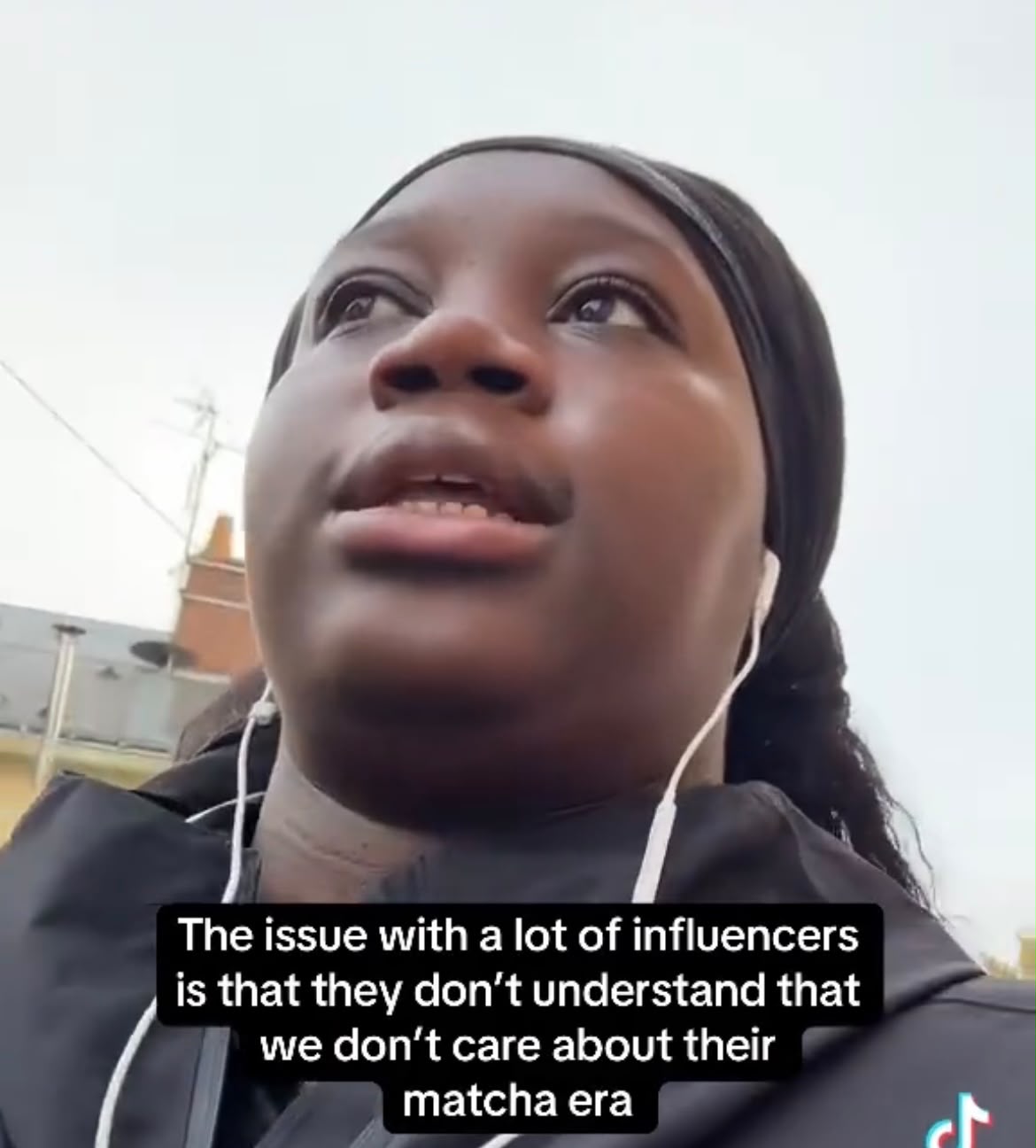
Her criticism appeared to reflect a wider frustration with influencers whose content becomes heavily influenced by current trends, with audiences sometimes feeling that the personalities they originally followed have become less relatable.
Sarzana also suggested that some influencers misunderstand what their audiences actually want from them. Rather than feeling the need to constantly refine their image or distance themselves from previous controversies, she argued that creators should focus on maintaining the qualities that made people interested in them in the first place. She explained:
“When we don't care about your mistake, Matcha, we really don't care. We couldn't care less, like, just stay the way you are.”
Although she acknowledged that social media changes and creators often need to adapt, Sarzana appeared to question whether those changes always improve the content being produced.
She said:
“Then, I understand that times change, etc., and that you have to change things... you have to adapt to certain rules, but still.”
Her comments have since brought attention to a familiar issue within influencer culture, with some audiences becoming increasingly vocal about wanting more personality, originality and authenticity from the people they follow.
For many viewers, the appeal of online creators comes from their everyday experiences, humour and willingness to show parts of their lives that feel unfiltered. As influencers become more commercially successful, however, their content can increasingly revolve around beauty routines, carefully curated outfits, popular drinks, brand partnerships and lifestyle trends.
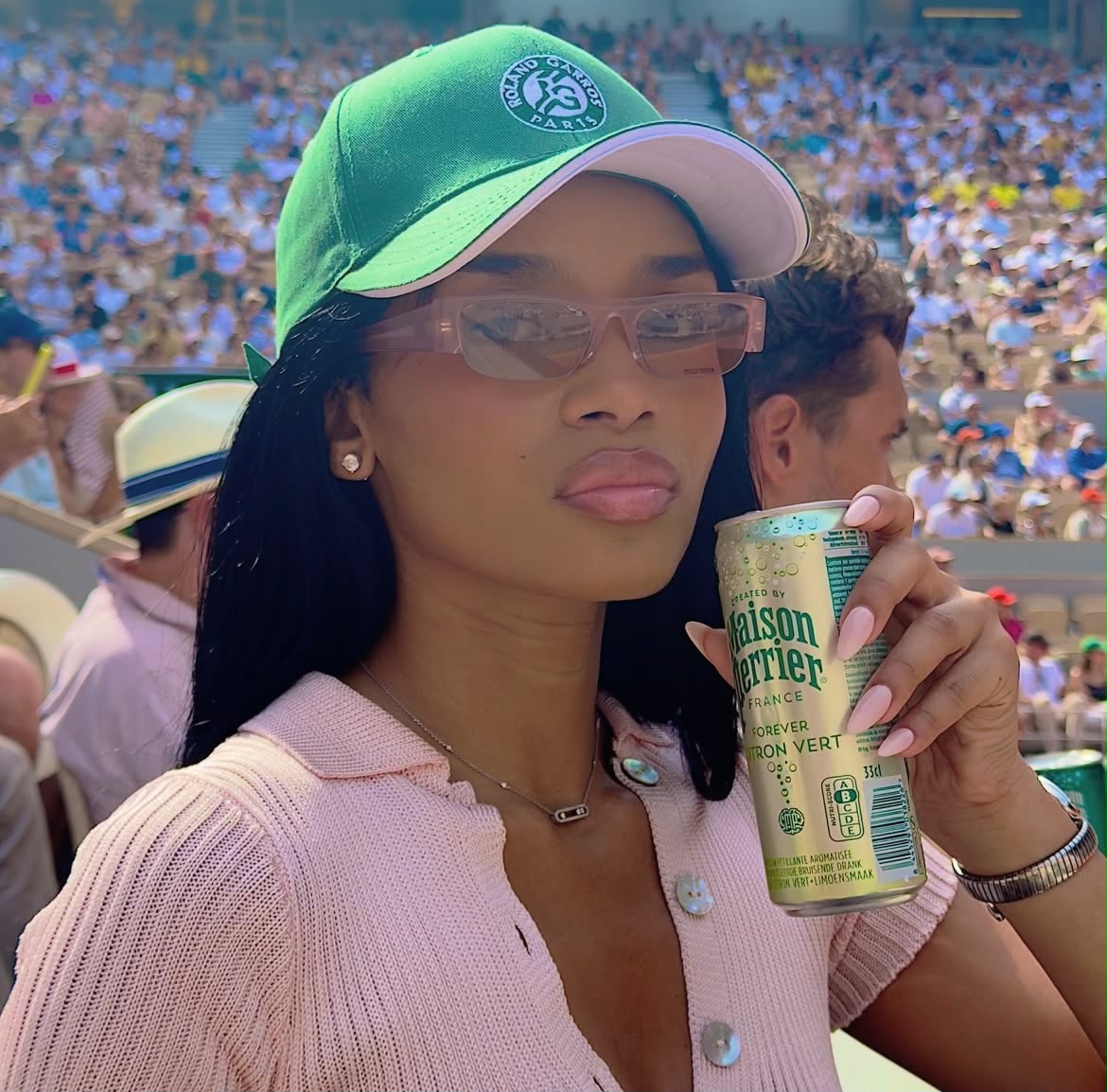
While this type of content can be enjoyable, the criticism is that some creators begin to follow the same formula, making it harder for their individual personalities to stand out. Sarzana’s comments were therefore interpreted by some as being about more than Kenza specifically, with her criticism touching on the wider perception that social media has become saturated with influencers producing similar content.
Kenza did not appear to take kindly to the criticism, responding with comments that shifted the discussion away from her content and towards Sarzana personally. In the response, she challenged the creator to examine her own appearance, including her skin, hair, and other things before commenting on someone else.
Kenza said:
"If I start criticising you , you won't be able to sleep at night for 5/10 years. Let me see you drop a picture. Let me start judging you."
She continued:
“Let me see your skin, let me see your hair, let me see your nails, let me see how you dress, let me see your upbringing, let me see your manners. And then we can talk.”
She then questioned Sarzana’s appearance and routine, suggesting that the creator had little going on beyond her everyday activities. Kenza added:
“You only have one look.”
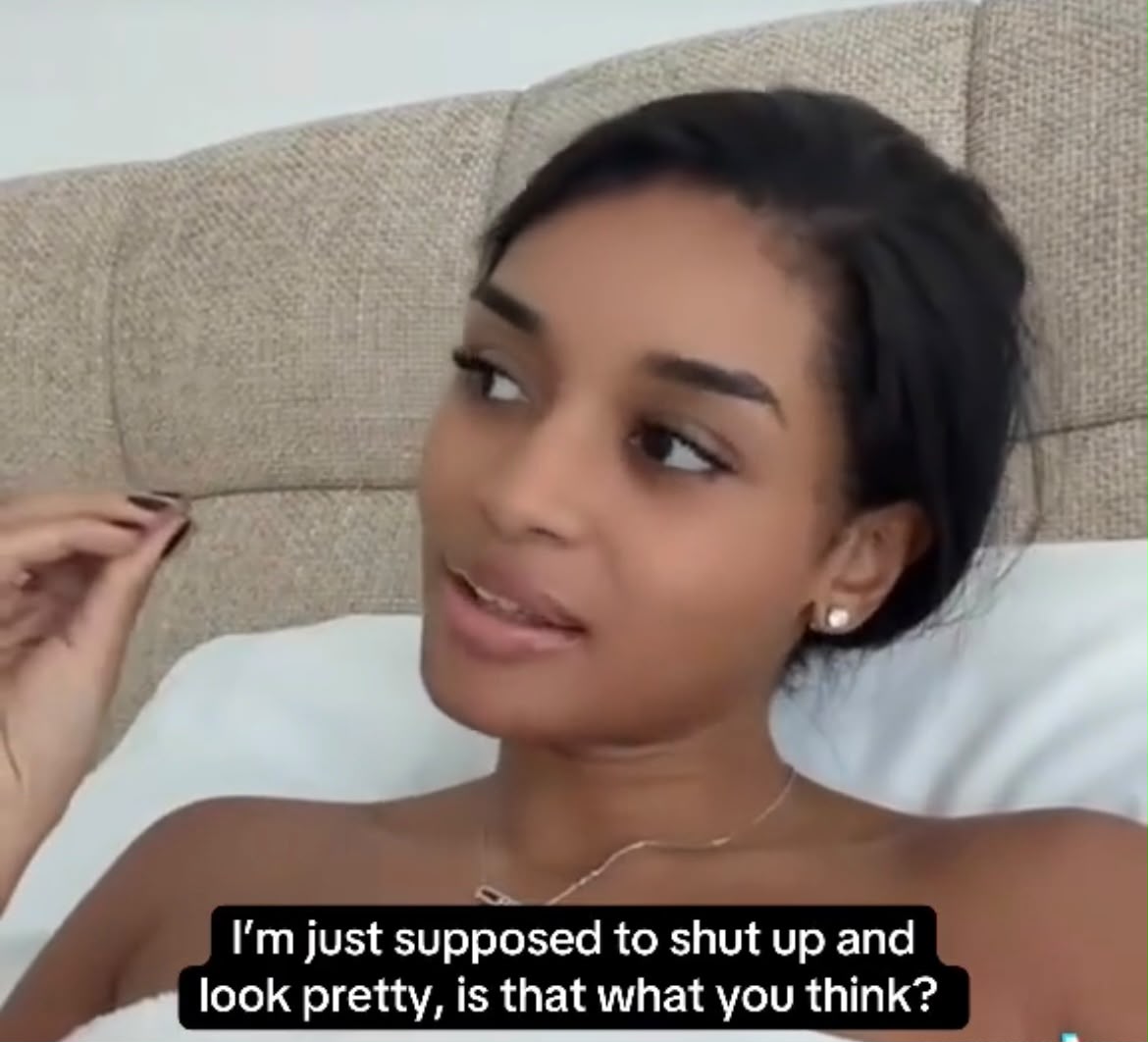
She continued with further remarks about going to sleep, going to work and going to the gym, before making another pointed comment about how attractive women are perceived when they speak their minds. She said:
“When the prettiest one comes to speak, then she's mean.”
The response quickly became a talking point in its own right, with many social media users arguing that Kenza had taken what began as criticism of her content and turned it into a personal attack on Sarzana’s physical appearance.
For those who disagreed with Kenza, the issue was not necessarily that she had defended herself, but that her response focused on aspects of Sarzana’s appearance that had not been the original subject of the criticism. One person commented:
“Kenza should’ve never responded. Her response is simply mean-spirited, given that the other girl never mentioned Kenza’s physical appearance, yet Kenza attacked her physical appearance directly. If someone doesn’t like your content, that is their right.”
Another viewer shared a similar opinion, writing:
“This is the true definition of the truth hurts! Got so butt hurt that she started attacking the girl’s physical appearance!”
Others went further, accusing Kenza of colourism, adding another layer to the debate about the way Black women are treated and judged online. One comment read:
“She’s a colourist.”
The accusation has prompted discussion about the meaning of colourism, particularly within the Black community, where skin tone can influence how people are perceived, treated and represented.
Colourism refers to discrimination or prejudice based on skin tone, often involving the preferential treatment of lighter-skinned people over darker-skinned people. It can operate within the same racial or ethnic community and is often connected to wider historical and social hierarchies surrounding beauty, status and desirability.

In this context, some viewers interpreted Kenza’s decision to bring Sarzana’s appearance into the argument as an example of the way physical features can be used to undermine another person. Others viewed the comments through the wider discussion around lighter-skinned people and the advantages or biases they may experience within Black communities.
However, the accusation itself remains a matter of public interpretation, and the exchange alone does not establish Kenza’s intentions or prove that she acted out of colourist beliefs.
The backlash has nevertheless highlighted how quickly a disagreement between creators can become a broader conversation about beauty standards, skin tone and the power dynamics that exist within online communities.
Despite the criticism, not everyone agreed that Kenza was wrong to respond as she did. Some viewers felt that Sarzana had publicly criticised another creator without being prompted, and argued that Kenza should not be expected to remain polite simply because she was the subject of the original comments.
One person wrote:
“So this girl comments on her content unprovoked and she must limit how she responds??? Crazy!”
Another added:
“I don’t get it. You can’t call someone’s content boring randomly for no reason and then get mad at how she responds. The world’s gone mad. We’re now trying to police a person’s reaction to unprovoked disrespect?”
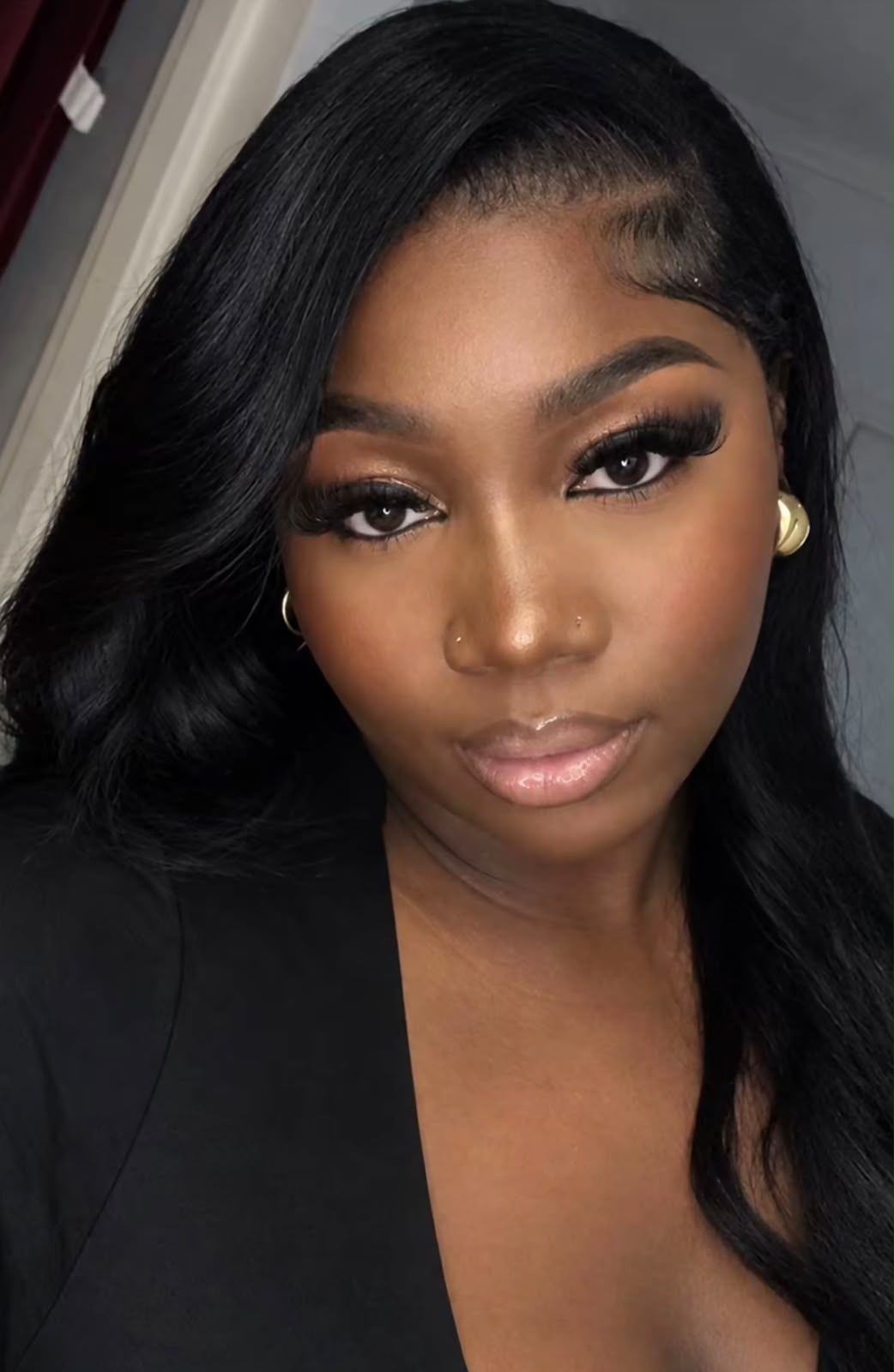
Those defending Kenza argued that creators are entitled to react when someone publicly dismisses their work, particularly when they have spent years building a following and developing their online presence.
However, the opposing argument is that criticising someone’s videos and attacking their physical appearance are two different things. While audiences may disagree over whether Sarzana’s comments were fair, many felt that Kenza’s response went beyond defending her work and became unnecessarily personal. The disagreement has consequently raised questions about where the line should be drawn between responding to criticism and attempting to embarrass the person delivering it.
Beyond the back-and-forth between the two creators, the exchange has also touched on a wider issue surrounding the evolution of influencer culture.
Social media personalities often go through different phases as their audiences grow. Some begin by sharing everyday experiences, funny observations, personal opinions or spontaneous videos that help viewers feel connected to them. As their platforms expand, their content may become more carefully planned, with greater attention given to aesthetics, brand opportunities and what is currently performing well online.
Trends such as matcha drinks, beauty routines, luxury lifestyles and carefully styled outfits can become recurring features across multiple creators’ platforms. There is nothing inherently wrong with this content, but when similar formats appear repeatedly, audiences can begin to feel that influencers are becoming less distinctive.
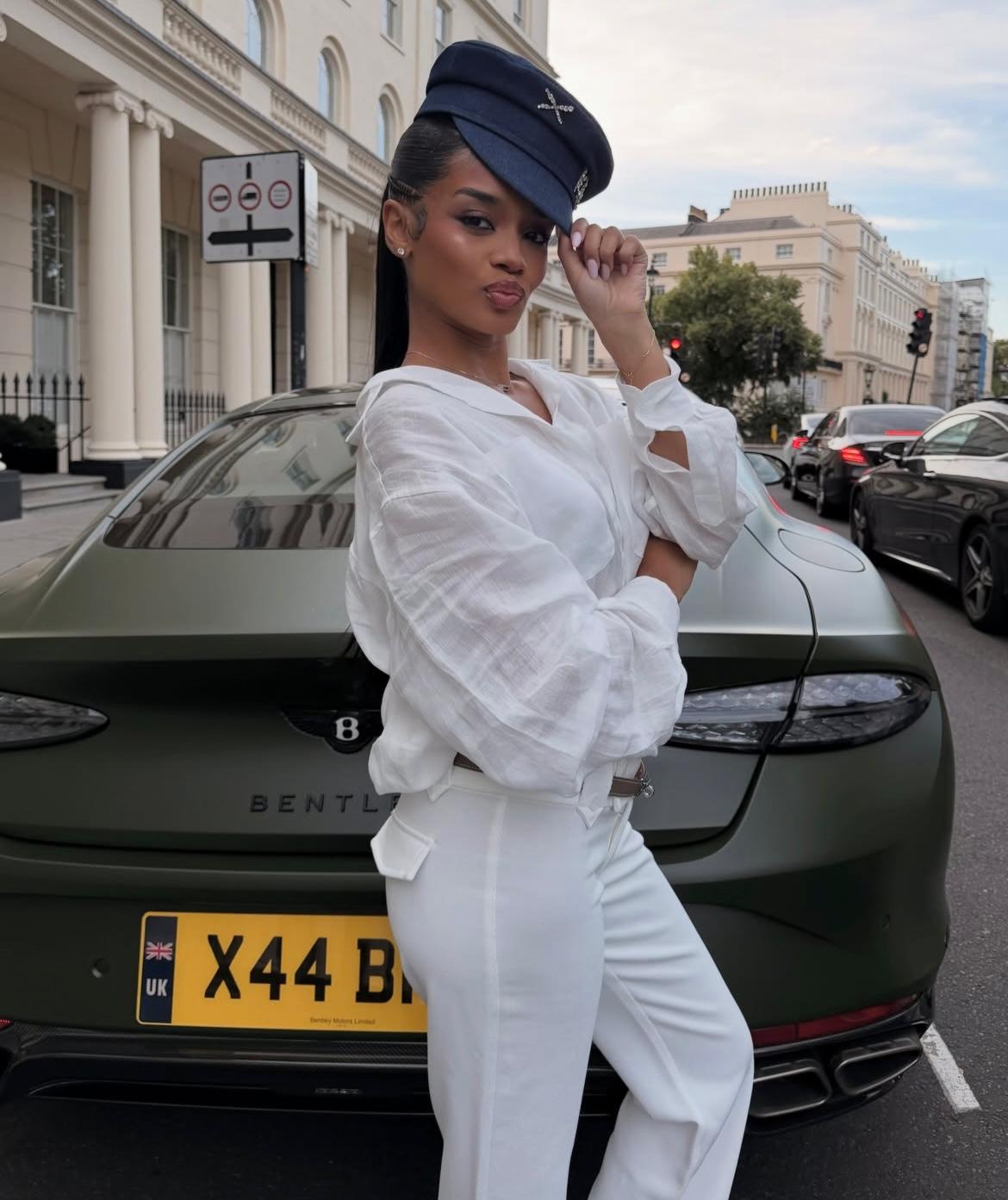
The criticism is not necessarily that creators should never change or pursue commercial opportunities. Rather, it reflects the idea that audiences still want to see the personalities behind the polished images.
For some viewers, authenticity means being willing to share ordinary moments, maintain a recognisable sense of humour and create content that feels personal rather than designed solely to follow a trend. Others may simply want more variety and creativity from the people they follow.
At the same time, influencers face pressure to remain relevant in an environment where trends move quickly and audience expectations can change just as fast. What once made a creator popular may not always perform as well several years later, leaving them to balance personal expression with the demands of maintaining a platform.
Ultimately, the exchange has left audiences debating two separate questions, whether influencers are losing their individuality as they follow the same online trends, and whether defending yourself against criticism justifies making personal comments about someone else’s appearance.