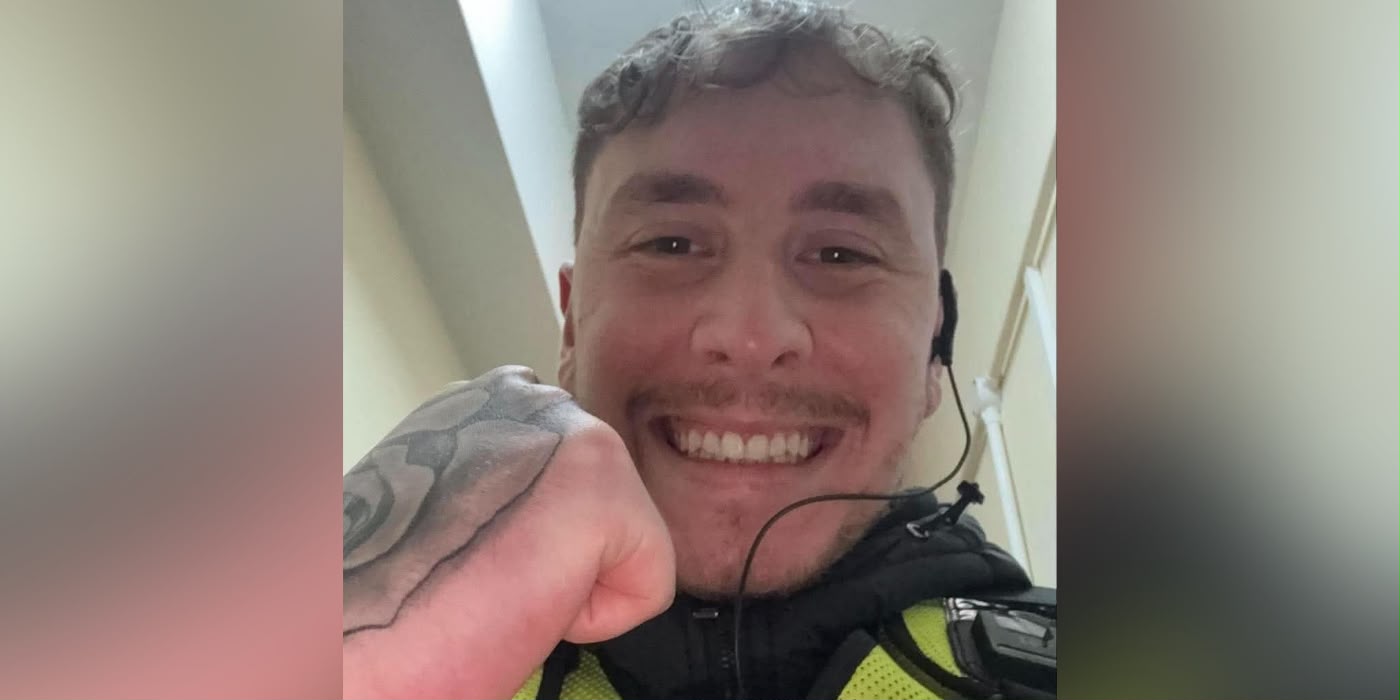

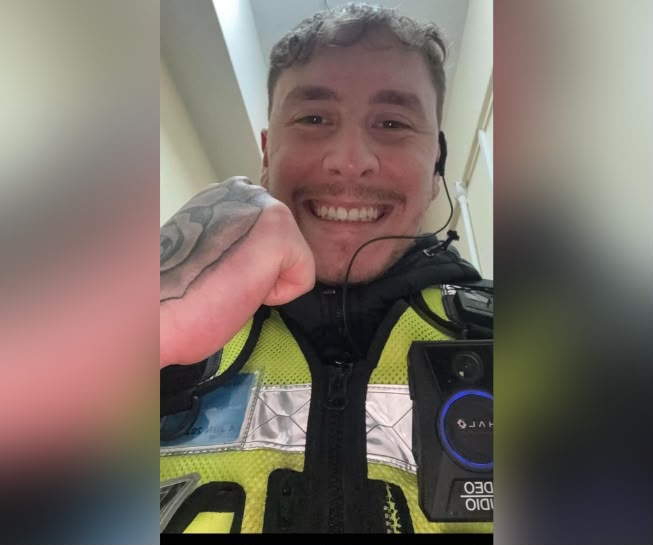
Oliver Lonie, a former Royal Navy serviceman from Salisbury, Wiltshire, has avoided an immediate prison sentence after pleading guilty to three offences involving 53 videos depicting young children being raped and abused.
The 15 October hearing at Salisbury Crown Court saw Lonie sentenced to two years in prison, suspended for two years. He was also ordered to sign the sex offenders register for 10 years.
The case has sparked widespread anger online, with many questioning how someone convicted of offences involving such serious material can receive a sentence that does not require them to enter prison immediately.
Of the 53 videos involved in the offences, 34 were classified as Category A, the most serious classification for indecent images of children. A further 14 were Category B and five were Category C.
The offending took place between 15 June 2020 and 27 April 2023. Lonie had previously worked for the Royal Navy and as an SIA security officer.
His sentence has become a source of public frustration, particularly among those who believe offences involving the sexual abuse of children should result in immediate imprisonment.
Although Lonie has avoided immediate custody, he has still received a custodial sentence. A two-year suspended sentence means he will not serve that prison term immediately, provided he complies with the conditions of the sentence and does not trigger its activation during the suspension period. If he commits another offence or breaches the relevant requirements, the court can order him to serve some or all of the suspended prison term, subject to the applicable rules.

The decision has left many questioning why immediate imprisonment was not imposed, given the number of videos involved and the seriousness of the material. However, the available reporting does not set out the judge's full reasoning for the sentence, meaning it would be inaccurate to attribute the decision to a particular mitigating factor without further information.
Under sentencing guidance in England and Wales, offences involving indecent images of children are assessed according to factors including the category of material, the nature of the offending and the offender's culpability. Category A material includes images involving penetrative sexual activity, sexual activity with animals or sadism.
The sentencing framework also distinguishes between possession, distribution and production, with different starting points and sentencing ranges depending on the offence and its circumstances.
This means the category of the images is an important consideration, but it is not the only factor used to determine the sentence. The number of images, the offender's actions, the circumstances of the case and relevant aggravating or mitigating factors can all affect the outcome.
Nevertheless, the fact that 34 of the videos were Category A has intensified the reaction, with many people arguing that the sentence does not reflect the seriousness of the offences.
The case has prompted a wave of criticism on social media, with users expressing concern about how sexual offences are dealt with by the criminal justice system. One person commented:
“Men getting away with sexual crimes is becoming EXTREMELY common.. One minute, it’s write an essay, the next it’s suspended sentences. What’s going to stop all of them from running wild?”
Another expressed anger at what they see as a failure to adequately protect children, writing:
“Growing up and discovering that the law actually protects paedophiles instead of protecting children has been the most disgusting revelation. No hope in human kind.”
A third person questioned whether the punishment matched the severity of the offending, commenting:
“Funny how the consequences never seem to match the severity of the crime.”
For many, the issue is not simply whether an offender has been convicted, but whether the consequences demonstrate the seriousness with which the justice system views the crime. The absence of immediate imprisonment has been particularly difficult for some to understand, with people questioning what message a suspended sentence sends about accountability and the protection of children.
The anger surrounding Lonie's sentence also feeds into a broader debate about whether punishments across the criminal justice system are proportionate to the harm caused.
There is a perception among some members of the public that certain offences involving sexual harm receive relatively lenient sentences, while other crimes, including some non-violent offences, can result in substantial penalties or restrictive punishments.
This perception is often reinforced by individual cases that attract widespread attention, particularly when the sentence appears markedly different from what the public expected.
However, sentencing outcomes vary according to the specific offence, the evidence presented, the applicable guidelines and the circumstances considered by the court. Comparisons between different crimes can therefore be misleading if they do not account for these differences.
A suspended prison sentence is also not the same as a community order or an acquittal. It is a custodial sentence that is not immediately served, subject to the conditions imposed by the court.
For critics, the number of videos and the proportion classified as Category A make the outcome especially difficult to accept. Others may point to the need to understand the full circumstances of the case before drawing conclusions about the court's reasoning.
The case had already attracted attention before sentencing. According to earlier reporting, Lonie told Wiltshire 999s that his home had been targeted by people angered by the allegations against him. He claimed that windows had been smashed and an abusive slur had been spray-painted on the property, with the incident reported to police.
It is understood that Lonie has since moved away from the Salisbury area and is living with family in Birmingham.
With the sentencing now concluded, the focus has shifted towards the punishment itself and the wider questions it has raised about the justice system.
While Lonie has received a custodial sentence and been ordered to remain on the sex offenders register for a decade, the decision not to require immediate imprisonment has left many questioning whether the outcome delivers the level of accountability they expected.