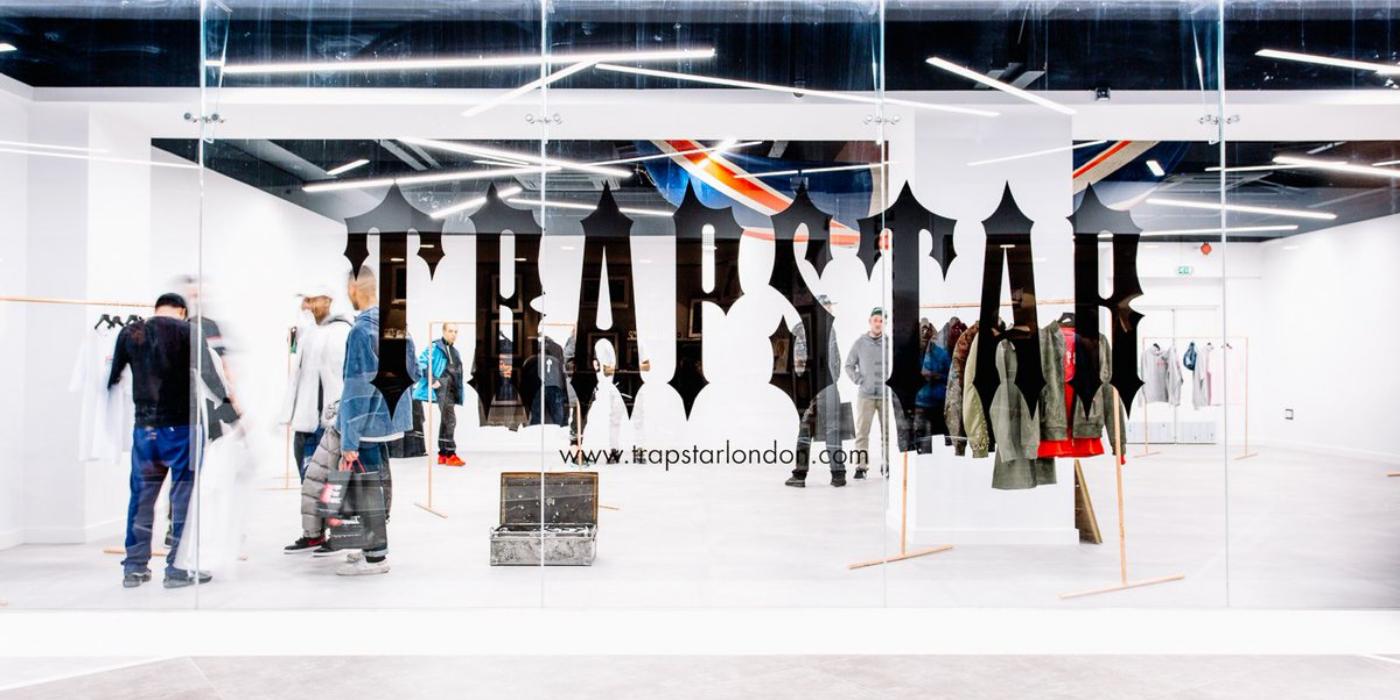

The influential London founded streetwear label Trapstar, known for attracting celebrity fans, has entered administration as difficult conditions across the retail sector have taken their toll. After a two month effort to find fresh investment, the company appointed administrators from Interpath Advisory on Friday (May 29), a move that signals deep financial strain within the business.
Industry sources say that Frasers Group, the retail empire associated with Mike Ashley, was among potential bidders expected to investigate an offer to buy Trapstar as it goes through insolvency proceedings, with a high level of interest anticipated from the market. Those close to the situation suggest that a strong response from suitors could lead to a rapid sale once the administration process formally begins.
Established in the UK capital in 2005, Trapstar has long been woven into British fashion and music culture, and played a significant role in popularising the limited edition ‘drop’ model which releases small batches of product at short notice to create scarcity and demand. While the brand has a loyal following, its sales have reportedly fallen over the past two years, a decline attributed in part to working capital pressures rather than a lack of consumer desire for its products.
.jpeg)
Administrators are expected to launch a sales process without delay in an attempt to secure a buyer and preserve as much of the business as possible. Representatives for both Frasers and Interpath have declined to make a public statement regarding the situation.
The challenges facing Trapstar underline the difficult trading environment for retailers, with another high profile brand experiencing financial distress on the same day. BrandAlley, a members only online retail platform that specialises in premium consumer goods from names such as Dolce & Gabbana and Dyson, also appointed administrators on Friday. According to administrators from BDO, the BrandAlley business was sold via a pre pack insolvency deal, but roughly half of its 160 employees are expected to lose their jobs as a result.
Kiri Holland, joint administrator at BDO, said,
“The company has faced financial difficulties in recent periods due to a challenging economic climate and a number of exceptional costs,”
Highlighting the broader strain on retailers as consumer spending and supply chain costs continue to shift. One source close to the BrandAlley process indicated that the buyer was another online retailer, although details have not been disclosed.
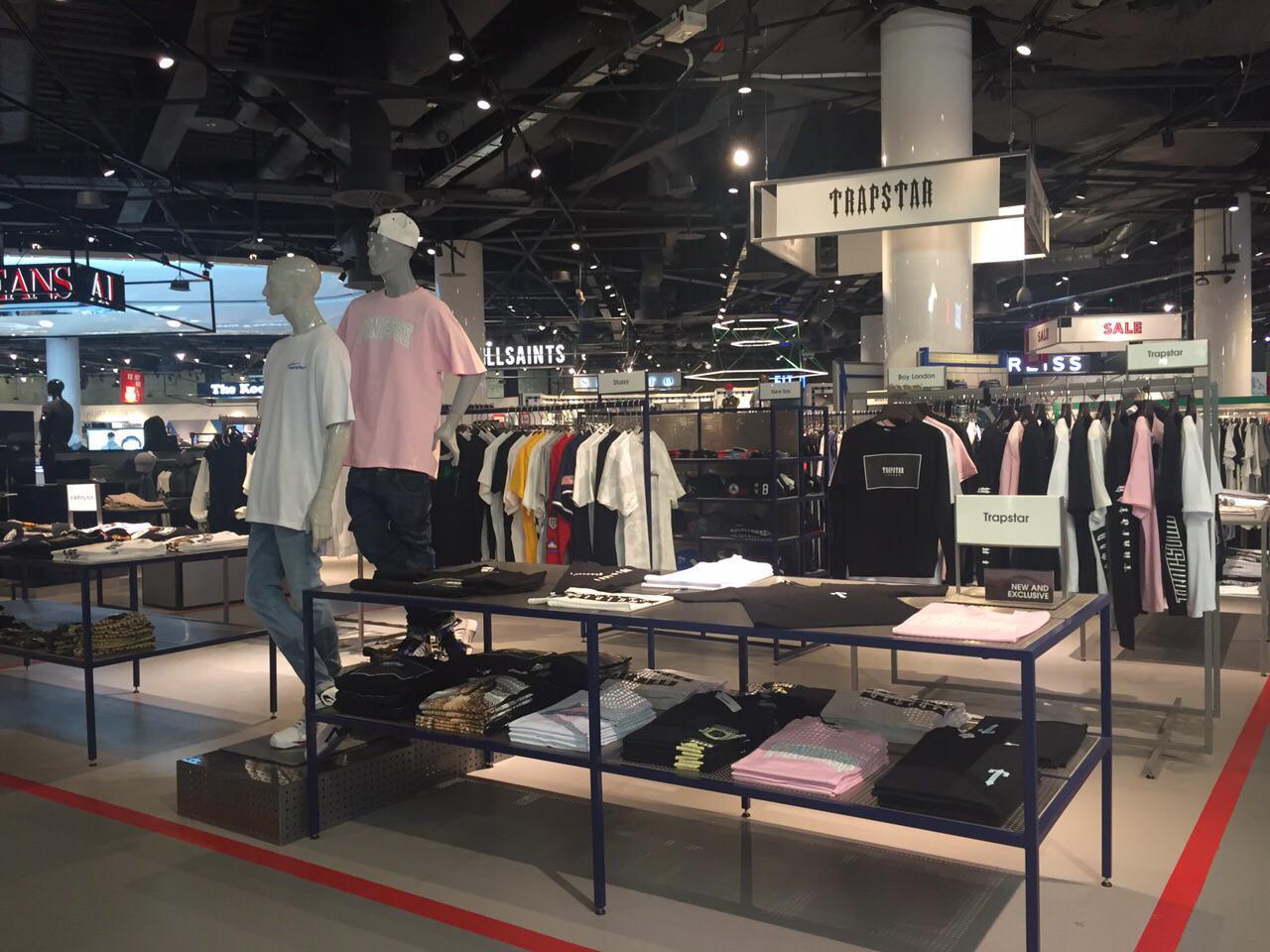
Trapstar has not only been a fashion label but a cultural force, gaining recognition far beyond UK streets. Its designs have been spotted on global icons and musicians, elevating it into the mainstream and firmly embedding it in contemporary culture. From high profile appearances on international stages to collaborations with artists and influencers, the brand’s celebrity reach helped solidify its reputation as one of Britain’s most talked about streetwear names.

Reaction from observers to the news about Trapstar’s troubles has been varied, with many taking to social media to share their thoughts on what the brand’s struggles mean for streetwear culture and for its founder.
One person wrote,
“Damn, I knew it was coming, they were sending me emails offering huge discounts. Sad though because you never like to see a fellow brother lose a business like that.”
Another commented,
“That’s sad, hopefully, somehow he can bounce back.”
Some were less surprised, pointing to the pricing strategy of the label, with one person writing,
“Might be the unreasonable pricing when most of your customer base are teenagers.”
Another added,
“The target audience needs to ask their parents to buy it and they’re definitely not buying it for those prices!”
Trapstar’s price points have long reflected its positioning as a premium streetwear brand, with hoodies frequently retailing around two to three hundred pounds, T shirts typically priced between eighty and one hundred pounds, and accessories such as caps and bags often carrying price tags well above what many of its younger fans might consider affordable without outside support.
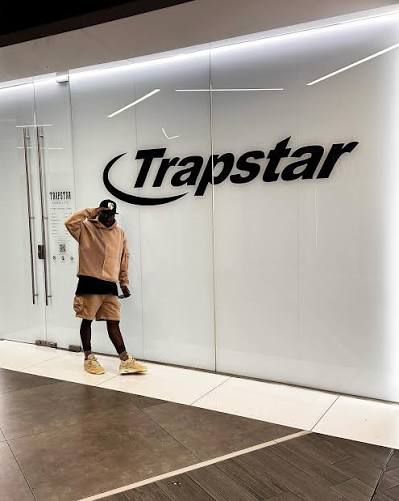
With the company now in administration and a sale process underway, the future of Trapstar will depend on whether a buyer can be found who is prepared to invest in the brand’s identity while addressing the financial hurdles that have forced it into this position. For many supporters it is a reminder of how tough the current retail climate has become, especially for fashion labels that have built their reputation on exclusivity and premium pricing.



.JPEG)

.svg)
.svg)
.svg)