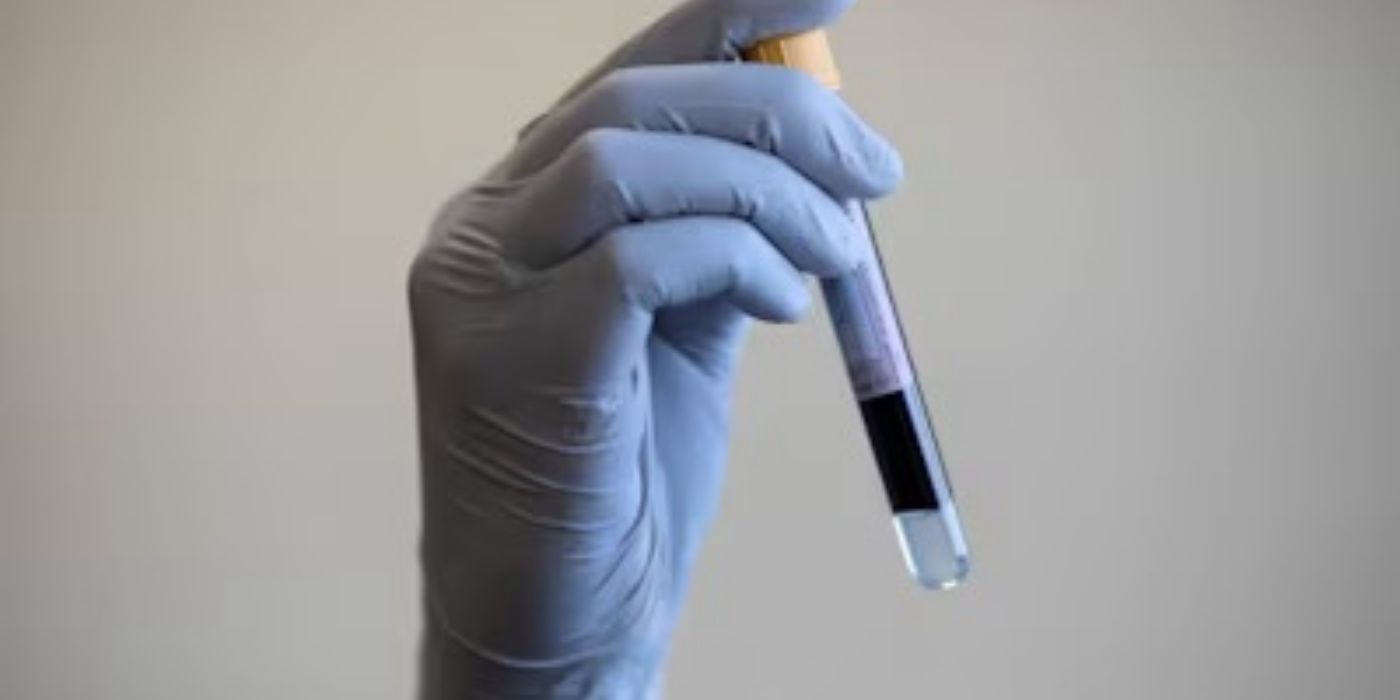

The NHS is exploring a new approach to cervical cancer screening that could use menstrual blood collected on a sanitary pad as a non-invasive alternative to traditional smear tests. Researchers say the method could allow people to test for human papillomavirus at home, potentially increasing accessibility and reducing barriers to routine screening for cervical abnormalities.
A new study suggests that testing menstrual blood could offer a convenient, non-invasive and accurate way of screening for cervical cancer, researchers have said.
The research, conducted in Hubei, China, looked at whether a regular sanitary pad with a blood sample strip could detect human papillomavirus, the virus that causes most cases of cervical cancer. The results indicate the method may provide an alternative to the way cervical screening is usually done, with the potential for samples to be collected at home.
.jpeg)
Most women invited for cervical screening currently attend an appointment with a clinician, who collects a sample by using a brush inserted into the vagina. Millions of people invited for screening across the UK do not attend, however, despite the importance of early detection.
In the study, researchers compared the diagnostic accuracy of menstrual blood with samples collected by a clinician for detecting cervical cell abnormalities, known as CIN2 and CIN3, which can require treatment. The research included more than 3,000 women aged between 20 and 54 with regular menstrual cycles, enrolled between 2021 and 2025.
Each woman provided three samples for testing, including a menstrual blood sample collected using the pad and strip method, a cervical sample collected by a clinician, and an extra sample gathered by a health worker for laboratory processing. Researchers then assessed the sensitivity and specificity of each test.
The samples collected on the pads showed a sensitivity of 94.7 per cent for detecting CIN2, which was comparable to clinician-collected samples at 92.1 per cent. While the pad test performed slightly less well on specificity, the probability that a person with a negative test result truly did not have disease was identical for both collection methods. Referrals for further tests were also similar.
The study authors said:
“The results of this large-scale, community-based study show the utility of using minipad-collected menstrual blood for HPV testing as a standardised, non-invasive alternative or replacement for cervical cancer screening."
Sophie Brooks, health information manager at Cancer Research UK, said it was encouraging to see research exploring new ways to make cervical screening more accessible. She said:
“Testing menstrual blood for HPV is an interesting, non-invasive approach, and could potentially offer another option in the future."
Athena Lamnisos, chief executive of the Eve Appeal, a gynaecological cancer charity, welcomed the findings. She said:
“It’s exciting to see new, more acceptable and potentially gentler ways of offering what could be a life-saving test to prevent cervical cancer from developing."
However, she noted that the ability to test for HPV in period blood would not work for everyone, including for example those who are menopausal. Lamnisos added:
“People have different barriers and concerns about screening, so being able to offer a choice of different methods could be very positive for some who are eligible for screening but don’t currently attend."
.png)


.png)
.png)
.png)
.svg)
.svg)
.svg)