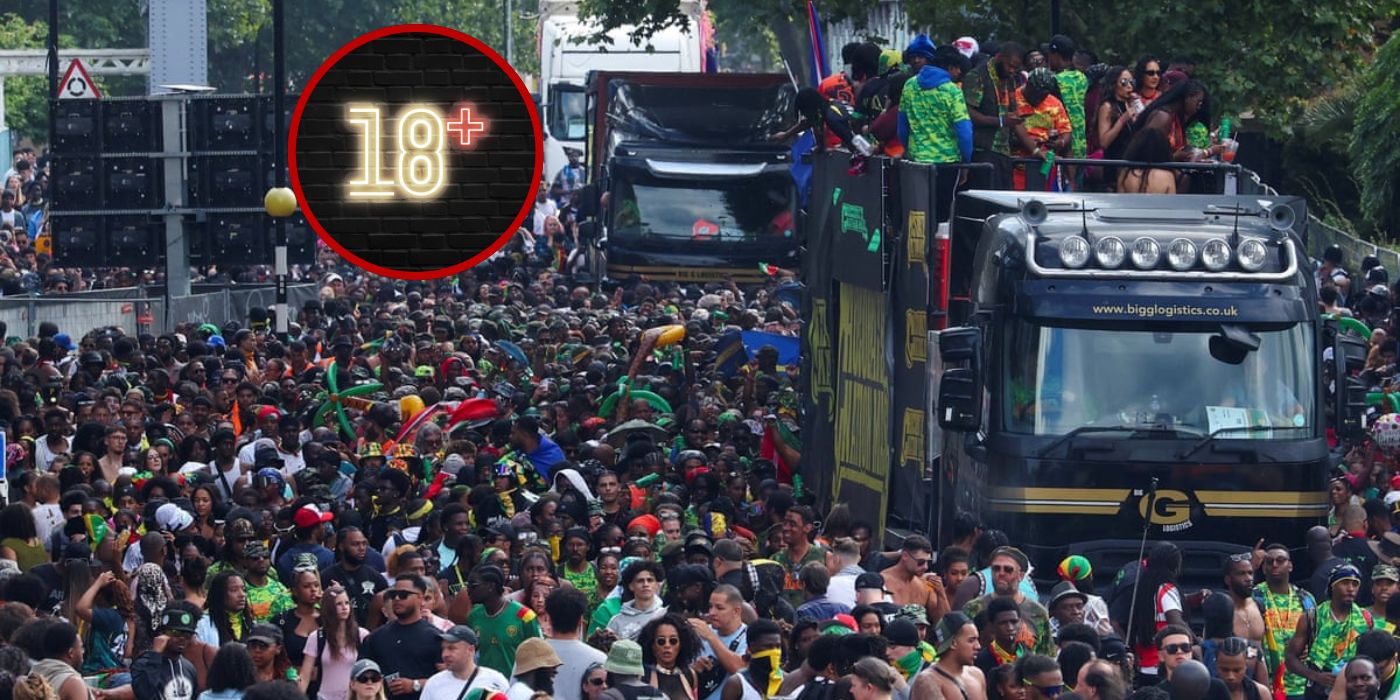

Content creator Ruby Cicerro has sparked discussion after calling out what she described as a troubling demographic shift at this year’s Notting Hill Carnival, specifically on Adults’ Day.
In a viral TikTok video, Ruby expressed her frustration and concern over the number of teenagers and school-aged children she said she saw among the crowds on Bank Holiday Monday, a day officially designated as Adults’ Day.
Describing the atmosphere on the day, Ruby stated directly in her video:
"I felt like I was in a youth club."
She went on to elaborate on how out of place the crowd dynamic felt for an event intended to focus on adult revellers, adding:
"I felt like there were more kids than adults at Carnival on the Adult Day."

Beyond the perceived shift in demographics, Ruby raised concerns about interactions between adults and people she believed to be underage within the dense Carnival crowds. She expressed shock at the behaviour she said she witnessed, alleging that despite some girls appearing visibly underage, grown men were still attempting to approach them.
"Despite the fact that girls were obviously minors, grown men were still trying to catch whines from girls who are clearly school kids."
Her observations prompted a wider discussion online, with other social media users sharing their own experiences and opinions about the ages of some people attending Carnival. One user wrote:
"It was the youngest crowd I’ve ever seen."
Another said:
"A 17 year old came up to me and asked me for advice on how to get a whine. I sobered up so quick."
A third commenter raised concerns about interactions between adults and younger children, writing:
"What made it scarier was grown men catching wines from small small children!?!"
Another added:
"The younger generation's parents do not care about them."
The comments reflect concerns expressed by individual social media users, rather than independently verified evidence of a broader increase in the number of underage attendees.
The discussion has also highlighted some confusion around what the designation of Adults’ Day actually means.
According to the official Notting Hill Carnival schedule, Sunday is Families and Children’s Day, while Monday is Adults’ Day. The 2026 Carnival took place on Sunday 30 August and Monday 31 August, with the Monday programme featuring the main parade, sound systems and stages.
The Carnival’s organisers describe Sunday as a day centred around children and families, with the Children’s Day Parade and children’s Mas forming a major part of the programme.
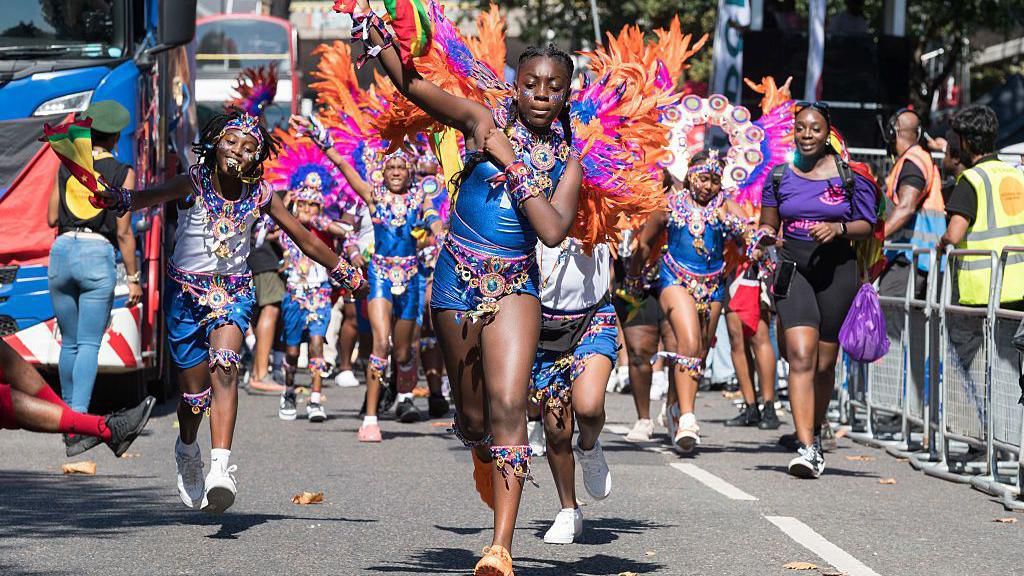
However, Adults’ Day does not mean that the entire Carnival area becomes an age-restricted venue. Notting Hill Carnival takes place across public streets in North Kensington and Westminster, with roads closed or restricted in certain areas to support crowd management and event infrastructure.
For 2026, Kensington and Chelsea Council listed a number of roads where public access was restricted and staffed barriers were used, with access provided to residents and authorised visitors. Other parts of the Carnival area remained accessible to the public.
This means the term Adults’ Day should not be interpreted as a blanket legal prohibition preventing every person under 18 from entering the wider Carnival area. The official programme distinguishes the days by their focus and activities, while the event itself takes place across a large public area.
The scale and nature of Notting Hill Carnival means crowd management and public safety remain significant considerations for organisers, councils and police.
Kensington and Chelsea Council's official guidance for the 2026 event advised attendees to plan their journeys, remain aware of their surroundings in crowded areas, and speak to a police officer or steward if they felt unsafe or saw anything suspicious.
The council also confirmed that medical treatment centres, medical response teams, ambulances and welfare spaces would be located across the Carnival area.
The Metropolitan Police also mounted a substantial policing operation during the 2026 event. Following the Carnival, the force confirmed 636 arrests across Sunday and Monday, with offences including drug-related offences, assaults, weapons offences, sexual offences and public order offences. Police also reported the seizure of 68 weapons, including a handgun.
The Met said additional funding secured by Notting Hill Carnival Ltd supported enhanced stewarding, crowd management arrangements and communications infrastructure in 2026.
The policing operation also included increased use of live facial recognition technology. According to the Met's final update, the technology generated 214 alerts and contributed to 121 arrests, while 86 registered sex offenders were stopped and spoken to. Seven were arrested for breaching their conditions or notification requirements.
These measures demonstrate that safeguarding and public safety are already significant parts of the planning around Carnival, although they do not specifically establish that teenagers represented a larger proportion of the crowd in 2026.
Another factor in the discussion is how easily young people can travel around London.
TfL operates a range of free and discounted travel schemes for children and teenagers. Children aged 5 to 10 can travel free on much of the network when eligible, while 11 to 15-year-olds can receive free bus and tram travel and discounted fares on other services through the 11-15 Zip Oyster photocard. The 16+ Zip Oyster photocard also provides free or discounted travel depending on the service and eligibility.
That accessibility can make large events around the capital easier for young people to reach independently. However, there is no official evidence establishing that discounted transport was responsible for the presence of teenagers at Carnival in 2026, so claims linking the two should be treated as speculation rather than fact.
The debate has nevertheless reignited questions about the responsibility of parents and guardians when teenagers attend large public events.
Some social media users argued that younger teenagers should attend Sunday's Families and Children's Day rather than Monday's Adults’ Day, while others questioned whether parents should allow school-aged children to attend the event without adult supervision.
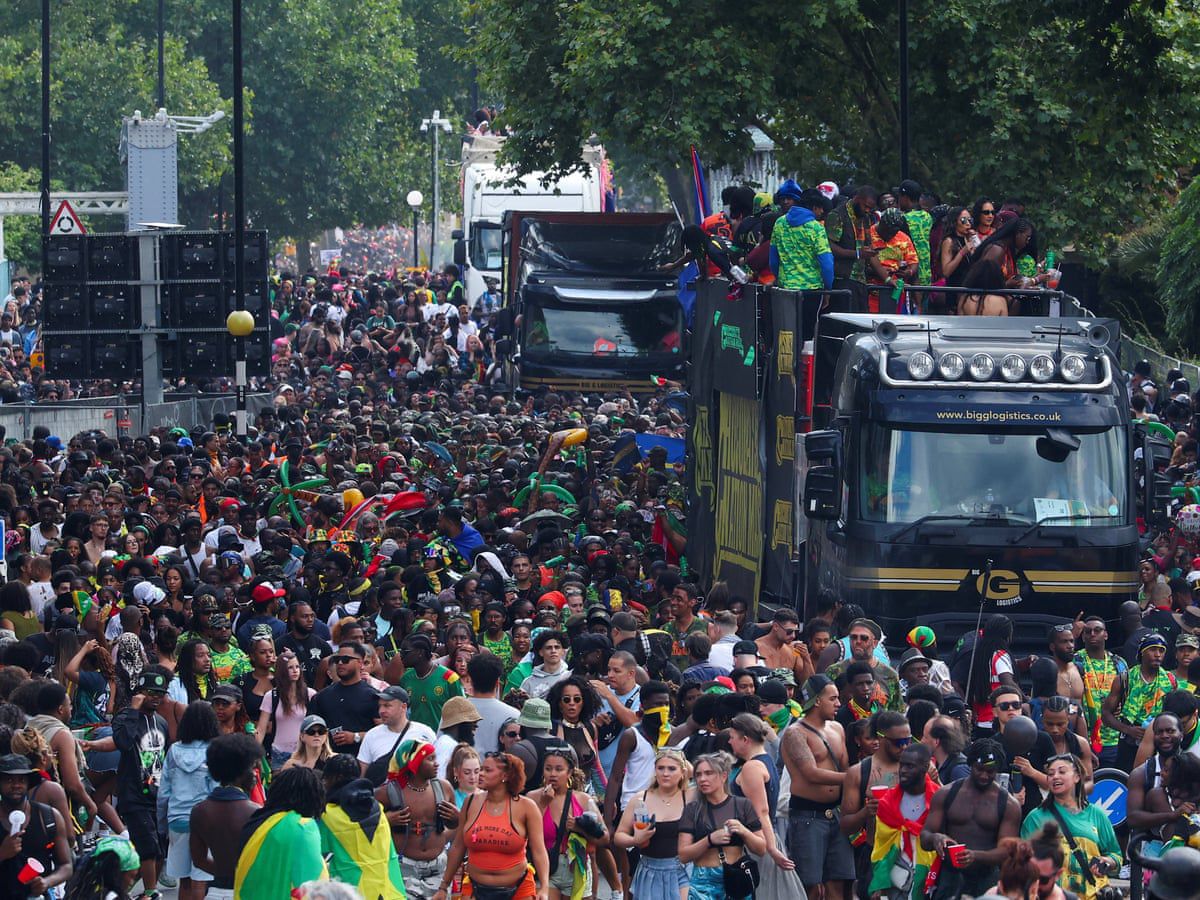
There have also been calls for greater safeguarding awareness around young people attending large-scale public celebrations, particularly where crowds, alcohol and adult entertainment are present.
However, responsibility does not sit solely with parents. Organisers, stewards, police, councils, traders and attendees all have roles to play in maintaining a safe environment.
Alcohol sales and other licensable activities are subject to licensing requirements, while councils also provide guidance to businesses and traders operating during Carnival. GOV.UK states that the sale of alcohol is a licensable activity, with Temporary Event Notices and other licensing arrangements applying where relevant.
Westminster City Council also provides specific guidance for businesses and traders operating during Carnival, including licensing, food safety and access requirements.
Ruby Cicerro’s comments have therefore opened up a wider conversation about who attends Notting Hill Carnival and whether the distinction between Families and Children's Day and Adults’ Day remains clear to the public.
The official structure of the event is clear, with Sunday focused heavily on children and families and Monday designated as Adults’ Day.
At the same time, Carnival is a large, open-air event spread across public streets, meaning the experience can vary significantly depending on where and when people attend.
While Ruby's observations and the reactions to her video cannot establish a verified demographic change, they have highlighted concerns among some Carnival-goers about young teenagers being present within adult crowds.
As the event continues to evolve, the conversation around safeguarding, parental responsibility, crowd management and the changing audience at Notting Hill Carnival is likely to remain part of the wider discussion surrounding one of London's biggest annual cultural celebrations.
.png)




.png)
.svg)
.svg)
.svg)