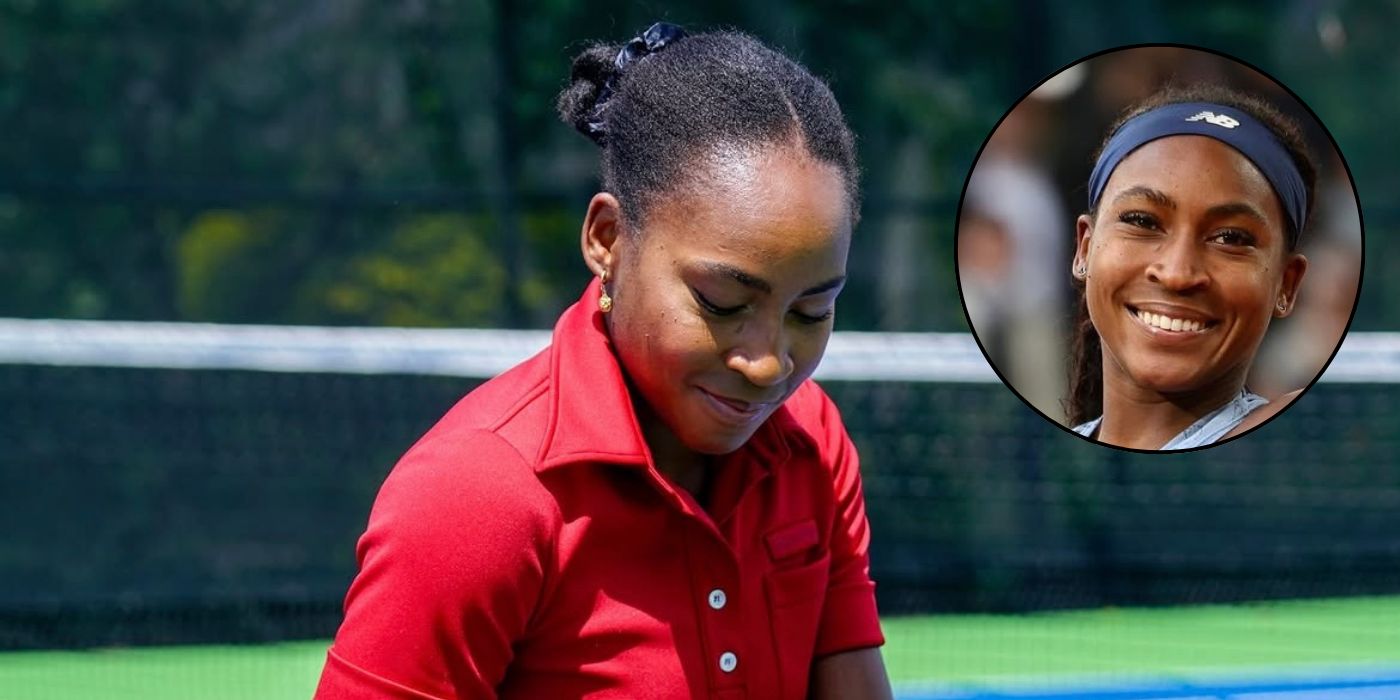

Coco Gauff has addressed online backlash following her appearance in a Miu Miu campaign, where she wore her natural 4C hair, after images from the shoot sparked discussion across social media about beauty standards and representation.
The tennis star, 22, featured in the luxury fashion campaign in a preppy styled look, but much of the online reaction focused on her hair rather than the clothing or concept of the shoot. Some users questioned whether her natural texture was appropriate for a high fashion campaign, prompting wider debate.

Gauff responded directly online, explaining that her hair choice was intentional and reflective of how she normally wears it. She also discussed the practical realities of maintaining certain hairstyles as a professional athlete, noting that protective styling decisions are often based on comfort and hair health.
Gauff’s response included a message aimed at younger audiences, particularly Black girls navigating similar pressures around appearance. She encouraged confidence in natural hair choices and self expression, reinforcing the idea that personal comfort and self acceptance should come first.
She said,
“I have 4C hair… That’s just not good for my hair.”
She also highlighted how styling choices are influenced by sport, maintenance, and personal preference, rather than external expectations.

She later added,
“Do what you want with your hair, because at the end of the day people who hate on your appearance have something deeply insecure about themselves… They feel the need to put someone else down to make themselves feel better.”
Her comments have landed into a much broader ongoing conversation in the UK and online spaces about Black women and natural hair, with increasing discussion around why so many women feel pressure to consistently alter their hair through wigs, weaves, or braids, rather than wearing their natural texture more regularly.
Within that discourse, some have raised concerns about what has been described as internalised pressure or “self hate” shaped by societal beauty standards, questioning why natural hair is sometimes treated as needing to be “fixed” or styled in order to be considered presentable or “ready” for public life.
.jpeg)
Others have pushed back strongly against that framing, arguing that Black women should not be judged for how they choose to wear their hair, whether that is natural, braided, or in wigs, and that the focus should remain on freedom of choice rather than scrutiny of personal grooming decisions.
The debate has highlighted a growing divide online, with one side encouraging more regular celebration and maintenance of natural hair in everyday settings, suggesting that wearing it more often could help normalise it and reduce stigma. Some also argue that equal care, time, and effort should be given to natural hair as is often given to wigs or protective styles, rather than treating it as a less desirable default.
On the other side, many insist the conversation is veering into policing behaviour, stressing that Black women already face enough external judgement without additional expectations placed on how they should or should not wear their hair.
.jpeg)
The Miu Miu campaign has since become part of a wider cultural conversation around representation in fashion, particularly how natural Black hair is perceived in luxury spaces, and whether more visibility helps shift long standing beauty norms.
Miu Miu has not publicly commented on the reaction at the time of writing.
.png)


.png)
.png)
.png)
.svg)
.svg)
.svg)