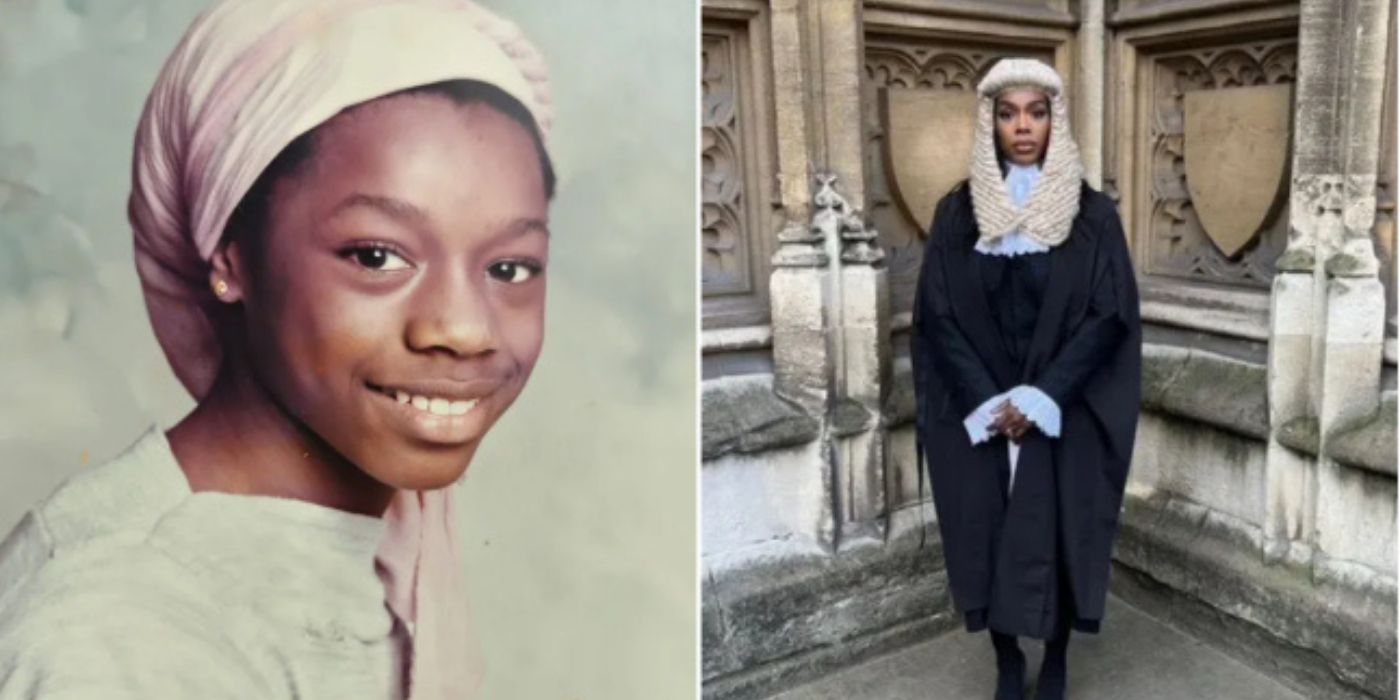

Laurie-Anne Power KC has opened up about the childhood experience that helped shape her determination to pursue justice, after she was prevented from entering school as an 11-year-old because of the Rastafarian head wrap she was wearing.
Today, Power is a highly respected criminal barrister who has worked on some of the most serious cases in the UK and internationally, but her route into the legal profession was far from straightforward.
Growing up in Leytonstone, east London, Power was raised in a Rastafarian family and was surrounded by a strong sense of culture, community and identity. Her parents had come to Britain from Jamaica as part of the Windrush generation, and the family placed a strong emphasis on pride in their heritage.
.jpeg)
That upbringing was particularly significant when Power arrived at school aged 11 wearing a head wrap connected to her Rastafarian faith and was stopped from entering. Reflecting on the experience, she said:
“I was 11 years old, but I remember it like it was yesterday. I didn’t know how to articulate it, but I knew that it felt like injustice.”
For a child, being prevented from entering school could have had a lasting impact on her confidence and ambitions. Instead, the experience became part of a much wider understanding of inequality that would eventually influence the direction of her career.
Power has previously described having difficulties socially as a child and feeling excluded from the classroom. She has also spoken about how her parents challenged the treatment she received and refused to allow those experiences to define what she could become. Her family background also played an important role in developing her interest in justice. Power has recalled spending evenings with her grandfather, discussing the news and asking him questions about subjects including politics, war and famine.
Although becoming a lawyer was not necessarily viewed as an obvious career path within her community at the time, Power eventually became determined to enter the profession. However, when she later told a teacher about her ambition to become a barrister, she was discouraged from pursuing an academic future.
.jpeg)
Rather than being encouraged to follow her aspirations, Power was told she should focus on sport, with the suggestion that she did not have the academic prospects required to become a lawyer.
The experience was another example of the low expectations she encountered during her education, but it was not enough to stop her.
A history teacher whom Power admired eventually intervened during her final year at school, giving her a stern conversation that became a turning point.
Power has described that moment as a wake-up call, helping her recognise that she needed to change her approach to education if she wanted to achieve the future she had imagined for herself. She went on to achieve strong GCSE and A-level results before facing another major challenge in her personal life.
Power became pregnant shortly after her 19th birthday and became a mother while still pursuing her education. With support from her family and her daughter's father's family, she returned to her studies when her daughter was seven months old. Rather than abandoning her ambitions, she continued working towards a career in law.
In 2000, Power achieved her goal and qualified as a barrister. Her career subsequently developed into one that has taken her well beyond the traditional courtroom. She has worked on serious criminal cases and has also been involved in international legal work, including work connected to the Special Court for Sierra Leone. Her work there involved examining issues surrounding child soldiers and sexual slavery during the country's civil war, giving her first-hand exposure to some of the most serious forms of human suffering and conflict.
.jpeg)
Power continued to build a reputation within criminal law, eventually becoming a King's Counsel in 2022.
Her appointment marked another significant milestone. She became one of only a small number of Black female barristers to have achieved the rank in England and Wales, at a time when the senior levels of the legal profession remained disproportionately less diverse. The achievement also gave greater significance to the experiences she had faced earlier in life.
In 2024, Power reflected on her journey in an interview with Counsel magazine, explaining how she had often felt she would need to work twice as hard to get half as far.
She has also spoken about the sacrifices involved in building her career while raising children. After having her son Noah in 2011, Power faced another difficult period when he was born extremely prematurely and spent an extended period in neonatal intensive care. She subsequently took time away from work to care for him before returning to her career.
Her professional achievements have therefore been built alongside significant personal challenges, rather than in spite of them.
Perhaps one of the most striking moments in her story came after she had taken silk. Power encountered one of her former teachers outside the Old Bailey, years after the teacher had been part of the educational environment in which she had been discouraged from believing she could achieve an academic career. By then, Power was appearing at one of Britain's most famous criminal courts as a KC.
She recalled experiencing an unexpected rush of emotions during their conversation.
“As he enquired about my journey, an unexpected surge of emotion came over me; some of it positive but mostly hurt and anger. Our conversation was pleasant but what I really wanted to say was ‘Look at me now!’”
Despite those feelings, Power has made clear that she does not personally blame the former teacher for all of the difficulties she experienced during her education.
Instead, she has placed the encounter within the wider context of an institution that she believes affected the ambitions and expectations of many pupils around her.
“I had never held him personally responsible for the trauma of my formative education, but he was the head of an institution that stifled the dreams and ambitions of many of my peers.”
.jpeg)
Her career has since become about more than her own success.
Power has devoted significant time to mentoring young people, particularly those from backgrounds that have historically faced barriers to entering the legal profession. She has worked with schools and community organisations and has encouraged young people to pursue careers that may not initially appear accessible to them. She has also become an outspoken advocate for greater equality within the legal profession, including through her work around race equality at the Bar.
Speaking exclusively to The Shade Borough, Power said:
“Especially NOW when we are under attack, it is important that our community knows what we can achieve and that there are no limits to our reach. I implore the black students trying to make it in law to ignore the naysayers and pursue their dreams with focus and without fear.”
Her message reflects the wider significance of her own story. The circumstances surrounding her education could easily have reinforced the idea that certain careers were out of reach. Instead, Power went on to qualify as a barrister, work on major criminal and international cases and reach the senior ranks of the profession.
Her experience also highlights the importance of representation within law, particularly for young Black students considering whether they belong in a profession that has historically lacked diversity at its most senior levels.
Power has previously acknowledged that the legal profession has become more accessible than it once was, while stressing that there remains significant work to do.
Her own career demonstrates both sides of that argument. She has reached a level that few people from her background would have been able to see represented when she was growing up, yet the obstacles she encountered as a child remain an important part of the story.
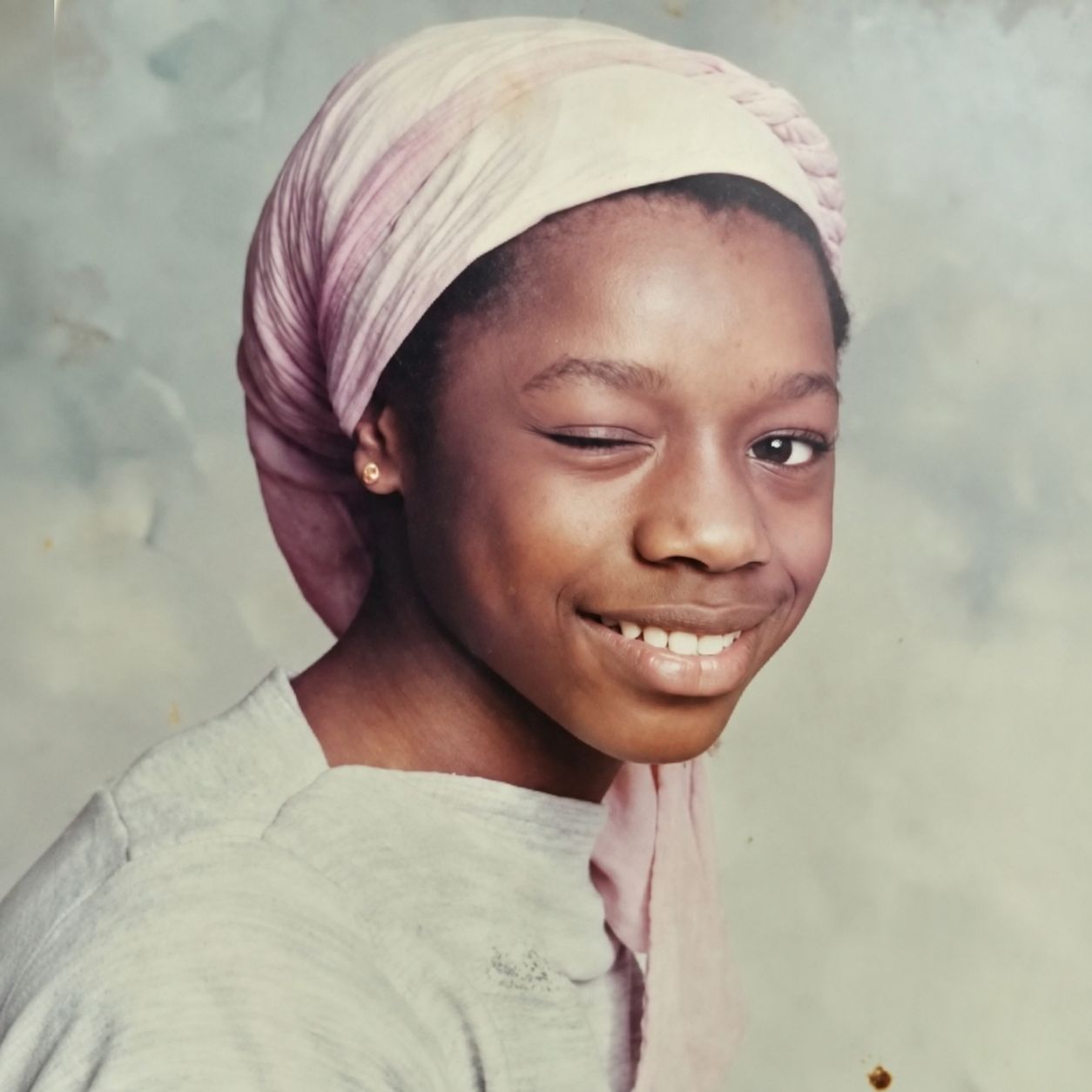
From being stopped at the school gates because of her Rastafarian head wrap to eventually wearing the robes of a KC at the Old Bailey, Power's journey has become a powerful example of how early expectations do not necessarily determine a person's future.
And for the Black students now considering a career in law, her message is clear, the limits placed on them by other people's expectations do not have to become the limits of what they can achieve.
.png)


.jpeg)
.jpeg)
%20(2).png)
.svg)
.svg)
.svg)