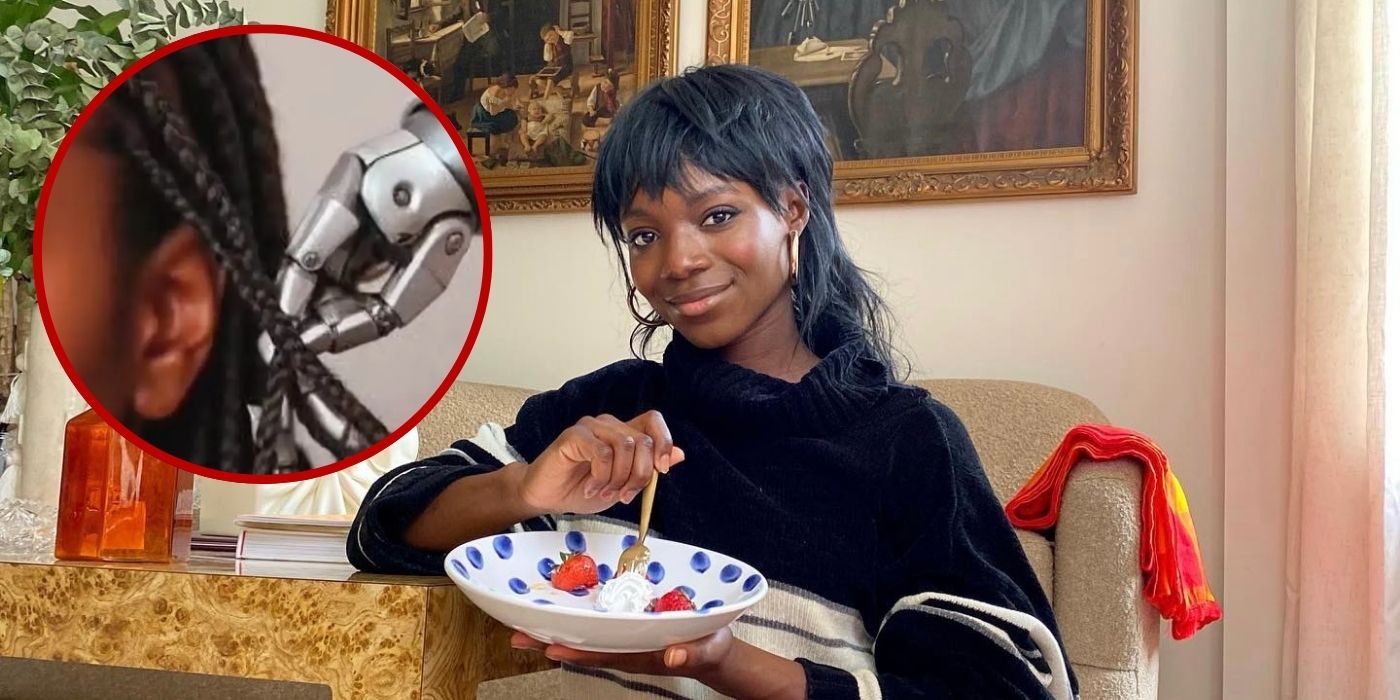

Nigerian-American engineer and Harvard graduate Yinka Ogunbiyi has co-created HaloBraid, a revolutionary robotic device designed to make hair braiding faster, easier and less physically demanding.
The idea was inspired by her own experience during the COVID-19 lockdown in 2020, when she spent four days attempting to braid her own hair. Her experience reflects the significant time and money Black women invest in maintaining their hair, with intricate protective styles often taking between four and eight hours to complete, and sometimes considerably longer.
“It was then that I asked, ‘Where is the device to make this faster for me?’” Ogunbiyi recalled in an interview with theGrio.
Unable to find an existing solution, she decided to create one herself, teaming up with fellow engineer David Afolabi to develop the technology.
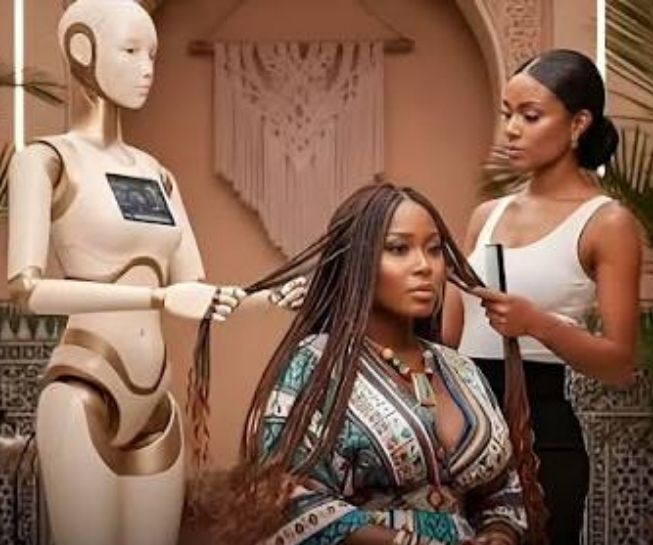
The innovative device works alongside professional hairstylists, who section the hair and begin each braid manually before allowing HaloBraid to complete the repetitive weaving process. According to the company, the robot can finish individual braids up to five times faster than traditional hand braiding, potentially cutting hours off salon appointments.
Beyond saving customers time, the invention also aims to reduce the physical strain experienced by professional braiders, many of whom suffer from repetitive strain injuries, including carpal tunnel syndrome and arthritis.
However, Ogunbiyi has emphasised that the technology is intended to support hairstylists rather than replace them.
“We built this with stylists at the core of everything that we’re doing. We built this to assist stylists, not to replace them,” she explained.
The invention has already attracted significant investment, securing $7 million in funding, including backing from Alexis Ohanian, the husband of tennis legend Serena Williams and co-founder of Reddit.
With more than 7,000 salons reportedly joining its waiting list, HaloBraid is preparing for a phased rollout to professional stylists.
The company unveiled its first public demonstration in October 2026, offering a glimpse into how robotics could transform an industry built around a centuries-old cultural tradition.
For Ogunbiyi, however, the mission is about more than technological innovation. It’s about giving Black women and hairstylists something invaluable: their time back.