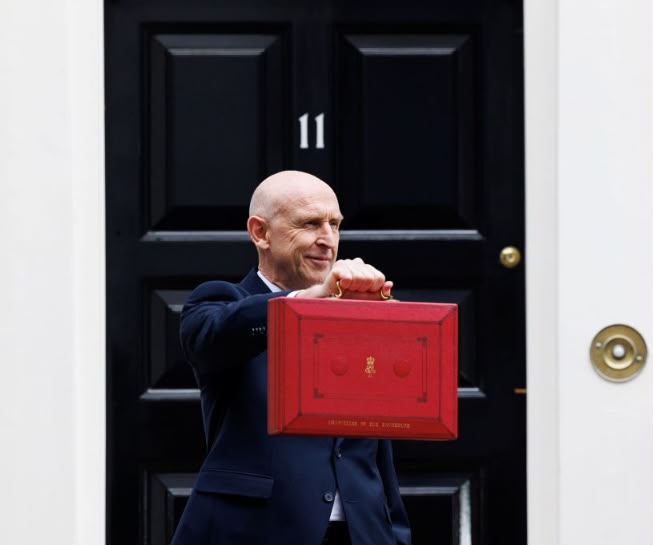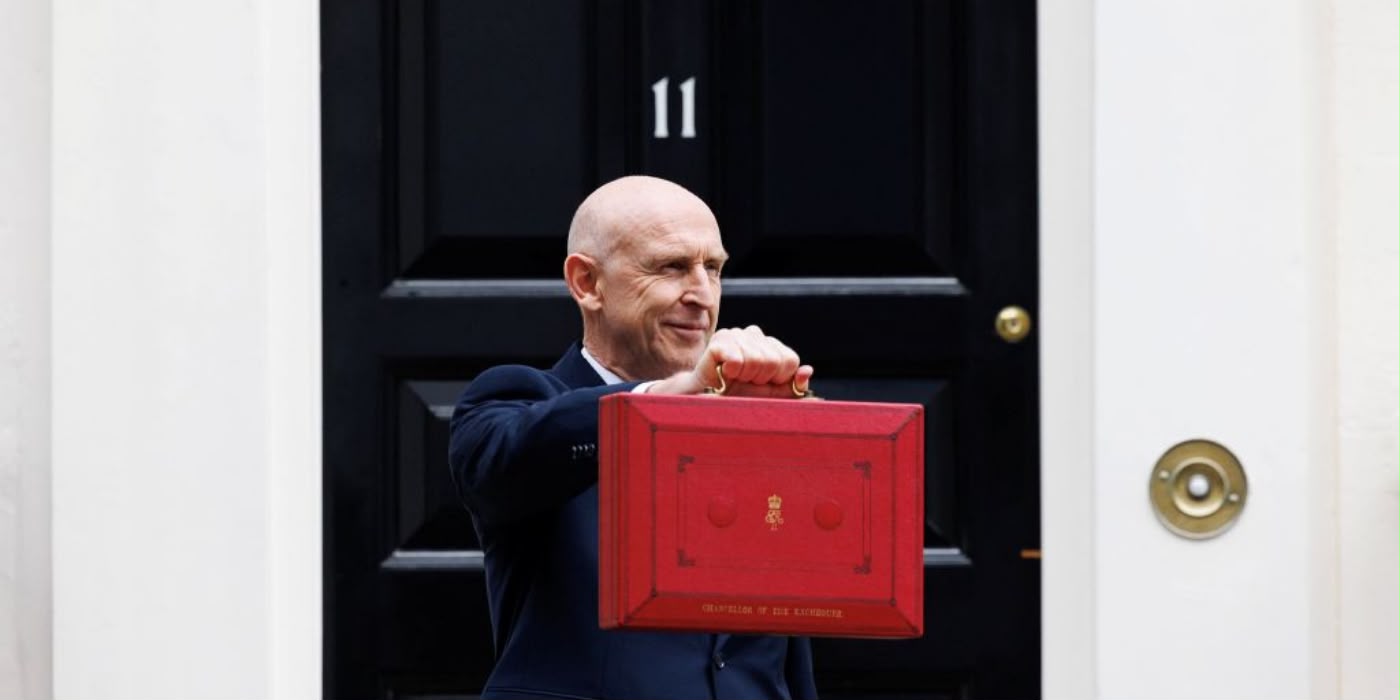

Chancellor John Healey has unveiled his first Budget, setting out a series of measures aimed at easing the cost of living, supporting businesses and helping more people access affordable housing.
Announced on Wednesday 28 October, the Budget includes changes to energy bills, wages, fuel duty, savings and housing, with some measures taking effect immediately and others being introduced over the coming years.
Here are 10 key announcements and what they could mean for your money.
Millions of households are set to receive help with their energy costs through a new £100 Household Energy Payment, due to be introduced in 2027.
The payment will be available to eligible households in council tax bands A to D in England, with funding also being provided for similar support across the rest of the UK.
The Government has also extended the temporary VAT cut on electricity bills until 1 July 2027. This is expected to take around £50 off the annual Ofgem energy price cap from April 2027.
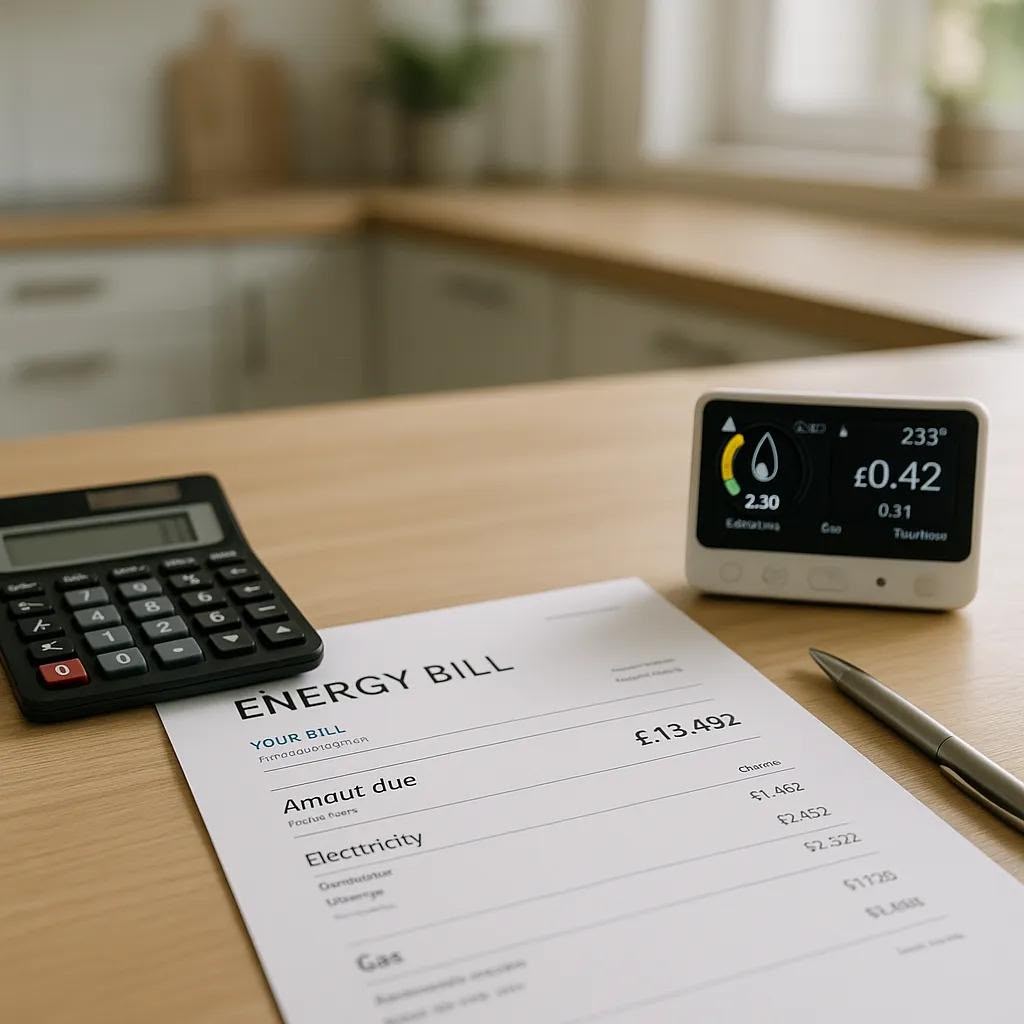
Workers aged 21 and over who receive the National Living Wage will see their hourly pay increase by 3.9% from 1 April 2027.
The rate will rise from £12.71 to £13.21 an hour, with the Government estimating that someone working full-time on the new rate could earn an additional £910 a year before tax.
The increase is intended to help workers keep up with rising living costs, although the amount people actually take home will depend on their individual circumstances and deductions.
People hoping to get onto the property ladder could benefit from the new Your First Home Scheme, which aims to help around 70,000 people purchase their first home.
The Government says the scheme could save eligible buyers hundreds of pounds a month. A further £1.5 billion will also be invested in social and affordable housing, supporting efforts to increase the availability of homes.
There are also plans for a new First Time Buyer ISA, which is intended to provide a simpler way for people to save towards a deposit. The scheme is expected to be introduced in April 2029.
Drivers are set to receive further relief at the petrol pumps after the Government confirmed that the temporary 5p-per-litre fuel duty cut will be extended for another six months.
The planned increase linked to inflation has also been deferred until 1 July 2027, meaning motorists will continue to benefit from the reduced rate for longer.
The Government says its fuel duty decisions throughout this Parliament will mean petrol and diesel are 15p per litre cheaper from April 2027 compared with the previous government’s plans.
The Government has announced an additional £432 million over the next two years to help tackle homelessness and rough sleeping.
The funding is intended to support people currently sleeping on the streets, helping them access accommodation and services that can provide more stable living arrangements.

The announcement forms part of the Government’s wider ambition to end rough sleeping, with additional investment aimed at helping more people move away from homelessness.
Retail, hospitality and leisure businesses in England are set to receive further support through changes to business rates.
The Budget includes a two-year freeze on business rates in real terms for these sectors, alongside reductions and additional relief for eligible properties.
The Government says the measures will mean around 70,000 more businesses are taken out of business rates, with half of all retail, hospitality and leisure properties in England expected to pay nothing.
The support is aimed at easing financial pressure on high streets and helping smaller businesses manage their running costs.
The Government has announced that import tariffs will be removed from more than 100 products, including everyday items such as baked beans and chocolate.
The move is intended to reduce the costs involved in importing these goods, potentially easing some of the financial pressure on businesses and consumers.
However, lower import costs do not automatically mean supermarket prices will fall, as retailers ultimately decide how much they charge customers.
The Budget also includes further investment in artificial intelligence, with the Government committing £700 million towards supporting the development and security of the technology. This includes an additional £120 million for the AI Security Institute, which focuses on understanding and addressing potential risks associated with advanced AI systems.

A further £140 million will go towards the Sovereign AI Unit, supporting promising British AI businesses and helping them grow within the UK.
The investment forms part of wider plans to strengthen Britain’s position in the growing AI industry while addressing potential security concerns.
First-time buyers using a Lifetime ISA could benefit from a reduction in the withdrawal charge, which has been lowered from 25% to 20%.
The change is intended to reduce the financial penalty faced by people who withdraw their savings for a first home costing more than the existing £450,000 property price limit.
The Lifetime ISA allows eligible savers to receive a 25% government bonus on contributions of up to £4,000 a year. However, withdrawing money for purposes that do not meet the qualifying conditions can result in a charge.
The reduction is intended to make accessing those savings less costly for people who would otherwise face the withdrawal penalty.
Pensioners are also set to benefit from a new Pension Tax Allowance, which will come into effect from April 2027.
Under the measure, people above State Pension age whose total income is no higher than the value of the full new State Pension will no longer have to pay Income Tax.
Around 500,000 pensioners are expected to benefit during the 2027/28 tax year, with approximately 290,000 paying no Income Tax at all and the remainder receiving a tapered allowance.
The measure is intended to protect pensioners on lower incomes from being caught by Income Tax as the State Pension increases.
With several of the announcements not due to take effect until 2027 or later, the full impact of the Budget will become clearer as the changes are introduced.