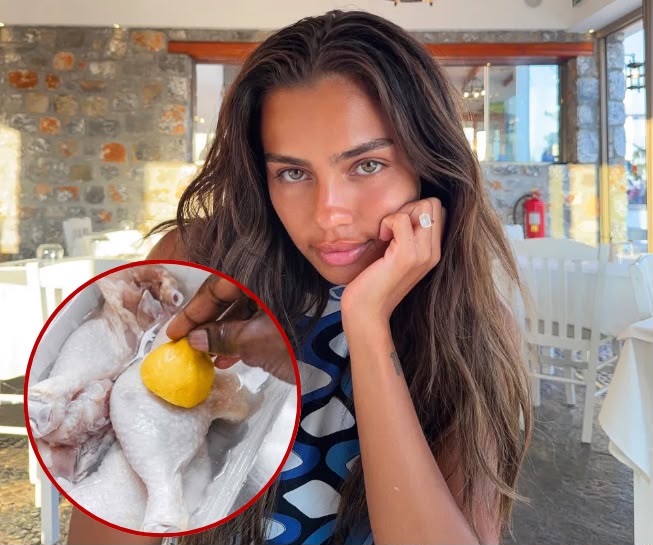

Tennessee Thresh has sparked a conversation about food hygiene after revealing why she is reluctant to eat at other people’s houses.
Speaking on her podcast Punchin with partner Danny Aaron, she explained that a childhood rule from her mother has stayed with her into adulthood, particularly when it comes to preparing chicken.
The conversation began with Tennessee explaining that her mother taught her not to eat food prepared in other people's homes, a rule she has continued to follow as an adult.
She said:
“My mum taught me growing up is that you just don't really eat from like other people's houses.”
She went on to explain that one of her concerns is how other people prepare their food, particularly when it comes to handling raw chicken.
During the conversation, Danny revealed that he washes his chicken using hot water, prompting Tennessee to question his approach and explain that she uses lemon, vinegar and salt when preparing hers. When Danny explained his method, Tennessee responded:
“Yeah, see, no, there we go.”
She then recalled an occasion when one of Danny's friends was visiting their former home while she was preparing chicken for everyone.
According to Tennessee, the friend tried the food and was impressed with how it tasted, telling her:
"F*cking hell, that's some really good chicken.”
However, Tennessee made it clear that her concerns about eating at other people's homes go beyond how meat is prepared, also pointing towards the presence of pets and general cleanliness. She added:
“People got in their house, their pets, their cats, their dogs, hair everywhere, cooking food. No, thank you.”

Her comments prompted plenty of agreement from viewers, with many suggesting that they shared similar concerns about eating food prepared in unfamiliar kitchens. One person wrote:
“YOUR MOTHER IS PROUD AND SO AM I!!”
Another commented: “You’re asking for food poisoning if you eat from everyone’s house. Sometimes you got to pretend you already ate!”
However, not everyone agreed with Tennessee's concerns, with some using the discussion to challenge the idea that chicken needs to be washed before cooking. One person wrote:
“You’re not supposed to wash chicken.”
Another added:
“Do people think chefs clean their chicken and meat before serving you? But everyone wants to eat out and Instagram the food they’re eating…”
But is washing chicken actually necessary?
While washing chicken before cooking is a common practice in many households, food safety experts generally advise against it.
According to the UK's Food Standards Agency (FSA), raw chicken and other meat should not be washed before cooking because doing so does not remove harmful bacteria. Instead, water can cause bacteria to splash onto kitchen surfaces, utensils, hands and nearby food, increasing the risk of cross-contamination.
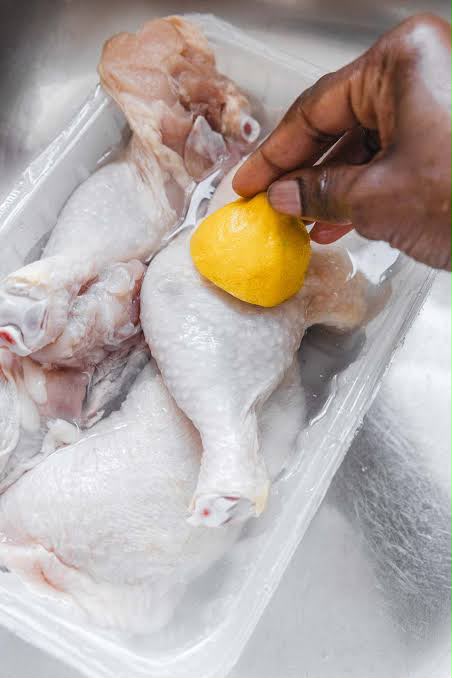
Raw chicken can carry bacteria such as Campylobacter and Salmonella, which can cause food poisoning. The safest way to kill these bacteria is to cook the chicken thoroughly, rather than attempting to remove them through washing. The FSA recommends making sure chicken is steaming hot throughout before serving.
The debate is also one that goes beyond food safety, as washing meat is a practice deeply rooted in certain cultures and family traditions.
In many African and Caribbean households, cleaning meat before seasoning and cooking is something people are taught from a young age, often watching their parents and grandparents carry out the process in the kitchen.
For some, this involves rinsing chicken with water before using ingredients such as lemon, lime, vinegar and salt. It is often seen as an important part of preparing food, helping to remove unwanted residue, slime and the smell associated with raw meat before seasoning.
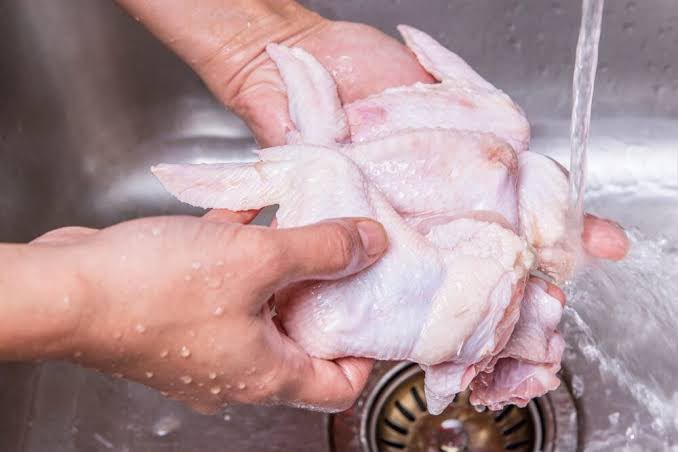
A Food Standards Agency study examining food hygiene practices among Black and minority ethnic communities also highlighted how deeply ingrained the habit can be, with participants describing how they had learnt to wash chicken from their mothers and continued doing so out of instinct.
However, adding lemon, vinegar or salt does not necessarily make the practice safer, as these ingredients do not reliably kill harmful bacteria on raw chicken.
Ultimately, the discussion highlights how something as simple as preparing chicken can mean very different things depending on how someone was raised and what they consider good food hygiene. While some people see washing meat as an essential part of cooking, others follow food safety guidance that advises against it, and it seems Tennessee's comments have given both sides plenty to talk about.