

A sickle cell warrior and advocate has proposed introducing a dedicated sickle cell awareness lanyard, suggesting it could help raise awareness of the condition and make it easier for people living with it to be recognised.
Siliana Coelho took to social media to share the idea, drawing inspiration from the widely recognised sunflower lanyard scheme, which helps people with hidden disabilities and non-visible conditions communicate that they may need additional support.
In the video, Siliana questioned why a similar initiative could not be introduced for people living with sickle cell, saying:
"I was thinking, if there can be a sunflower lanyard, why can't there be a sickle cell lanyard?"
She then held up a lanyard that appeared to represent the condition, putting forward an idea that could potentially help improve awareness and understanding of the challenges faced by those living with it.

The suggestion has since prompted conversations online, with many expressing their support and highlighting how something as simple as a dedicated lanyard could make a difference, particularly when someone is experiencing a medical emergency.
Sickle cell disease is an inherited blood disorder that affects haemoglobin, the protein in red blood cells responsible for carrying oxygen around the body.
In people living with the condition, some red blood cells become hard, sticky and crescent-shaped, resembling a sickle. Unlike healthy red blood cells, which are normally round and flexible, these abnormal cells can become stuck in blood vessels, restricting the flow of blood and oxygen to different parts of the body.
This can cause episodes of severe pain, commonly known as sickle cell crises, which can last for hours, days or even weeks.
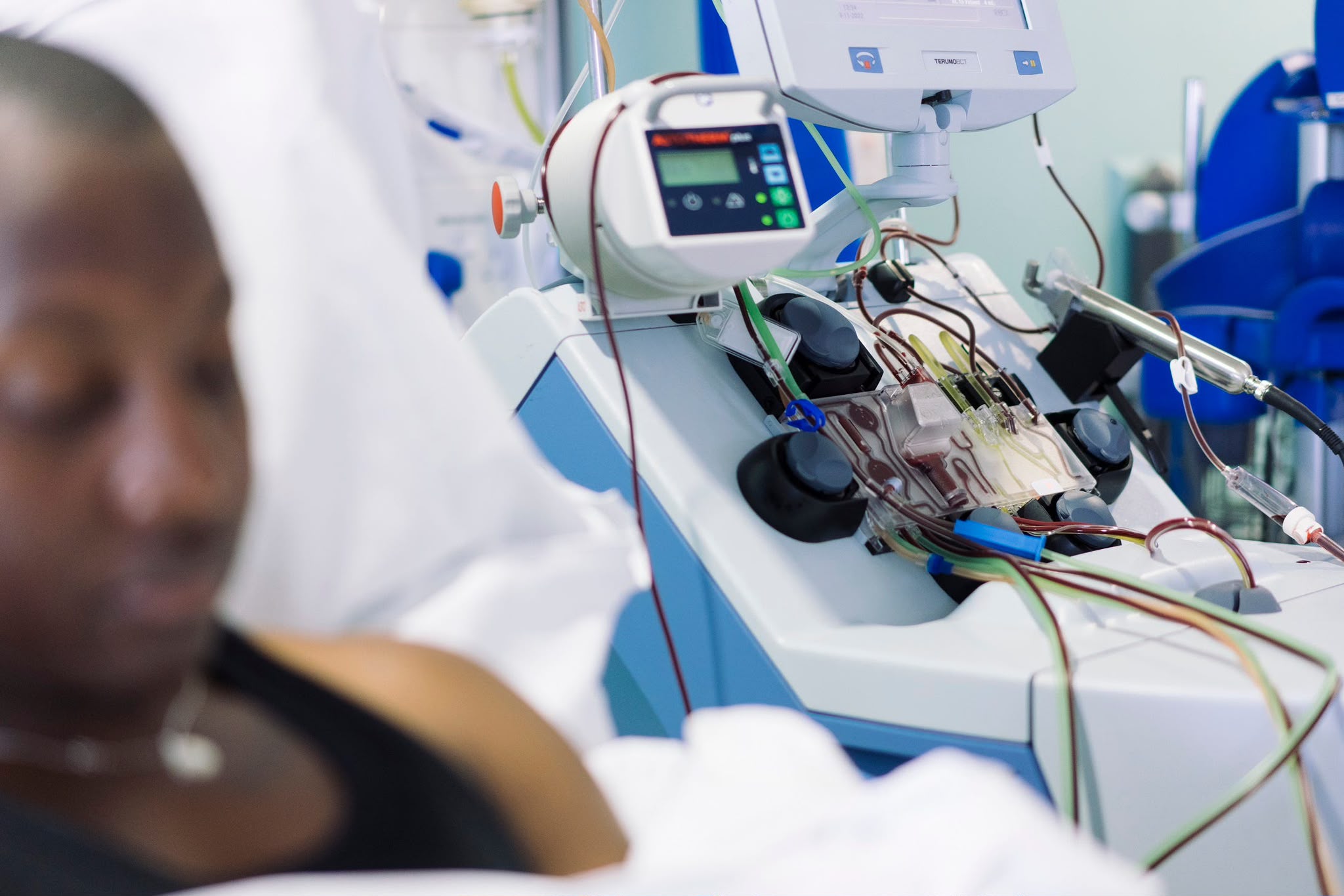
However, the condition can cause much more than painful episodes. People living with sickle cell disease can experience anaemia, fatigue, swelling, infections and breathing difficulties, while more serious complications can include strokes and damage to vital organs.
It is a lifelong condition that can be life-threatening, with some people requiring regular blood transfusions and specialist medical treatment to manage their symptoms and reduce the risk of complications.
According to the NHS, sickle cell disease can affect people differently, meaning someone may appear perfectly well at one moment but experience a sudden and severe health crisis at another.
Although sickle cell disease can affect people from different ethnic backgrounds, it is particularly prevalent among people of Black African and Black Caribbean heritage.
In the UK, it is one of the most common inherited blood disorders, with approximately 19,000 people living with the condition and around 300 babies born with it each year. Figures shared by the Government in November 2025 also highlighted that approximately 77 per cent of people living with sickle cell disease in England are from Black African and Black Caribbean backgrounds.
Despite the number of people affected, awareness and understanding of the condition remain important issues, particularly when it comes to recognising symptoms and ensuring patients receive appropriate treatment.
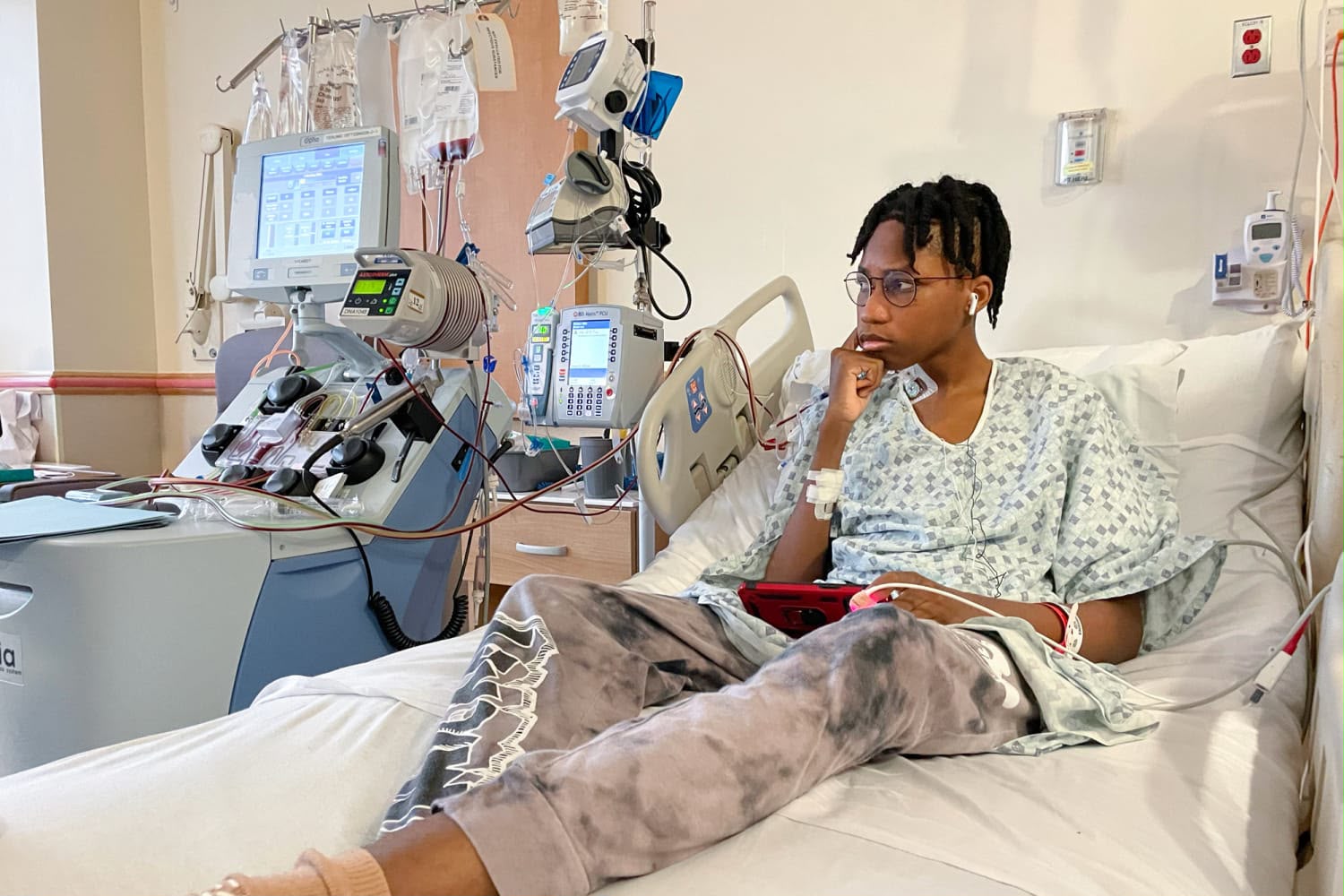
Sickle cell is also frequently described as an invisible illness because many of its symptoms are not immediately apparent to other people. Someone living with the condition may not look unwell, particularly when they are not experiencing a crisis, despite dealing with ongoing pain, fatigue and other health challenges.
This can create additional difficulties in everyday situations, as people may find themselves having to explain their condition or convince others that they are experiencing genuine pain and require assistance.
It is also particularly important in healthcare settings, where recognising that someone has sickle cell disease could help staff understand their medical history and the urgency of their symptoms.
The sunflower lanyard was introduced to help people with hidden disabilities discreetly communicate that they may need additional assistance, understanding or more time in certain situations.
The initiative has since become recognised in various public spaces, including airports, shops, hospitals and transport services, although recognition and the support offered can vary between organisations. People wearing the lanyard do not necessarily have to disclose their specific disability or condition to everyone they encounter. Instead, the sunflower acts as a visual indication that someone may have additional needs that are not immediately obvious.
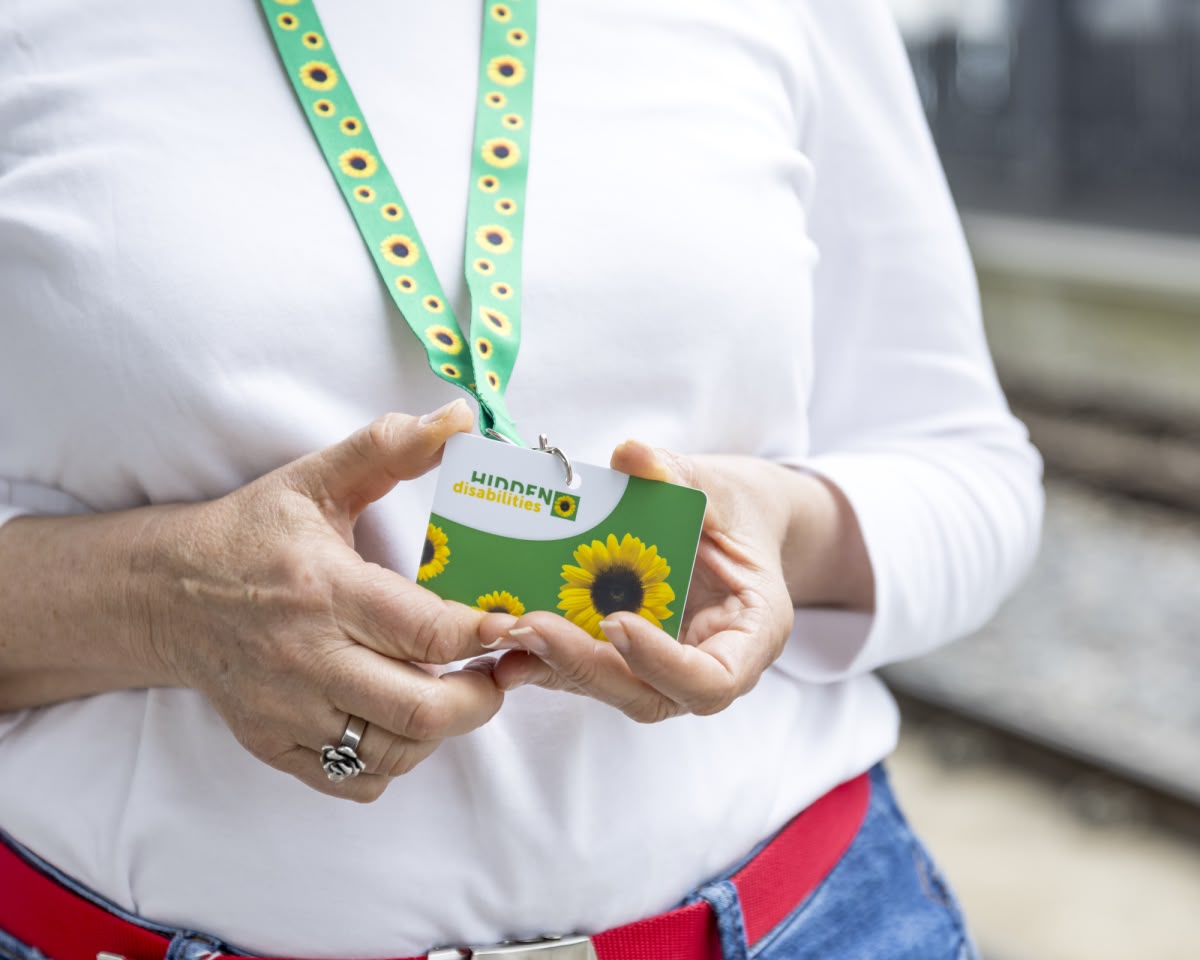
A dedicated sickle cell lanyard could potentially offer similar benefits, particularly for people who may suddenly experience a crisis while travelling, attending appointments or going about their everyday lives.
It could help alert members of the public, transport staff and healthcare professionals that someone has a medical condition which may require additional consideration.
In emergency situations, it could also encourage people to ask whether someone needs assistance rather than assuming they are simply feeling unwell or experiencing ordinary discomfort.
However, for the idea to have its intended impact, there would need to be wider awareness of what the lanyard represents, alongside education for healthcare professionals and organisations about the condition and how to respond appropriately.
The suggestion has received positive reactions from social media users, with several agreeing that introducing a dedicated lanyard could be beneficial for people living with the condition. One person commented:
"Makes perfect sense."
Another wrote:
"This is an amazing idea! It is defo needed!"
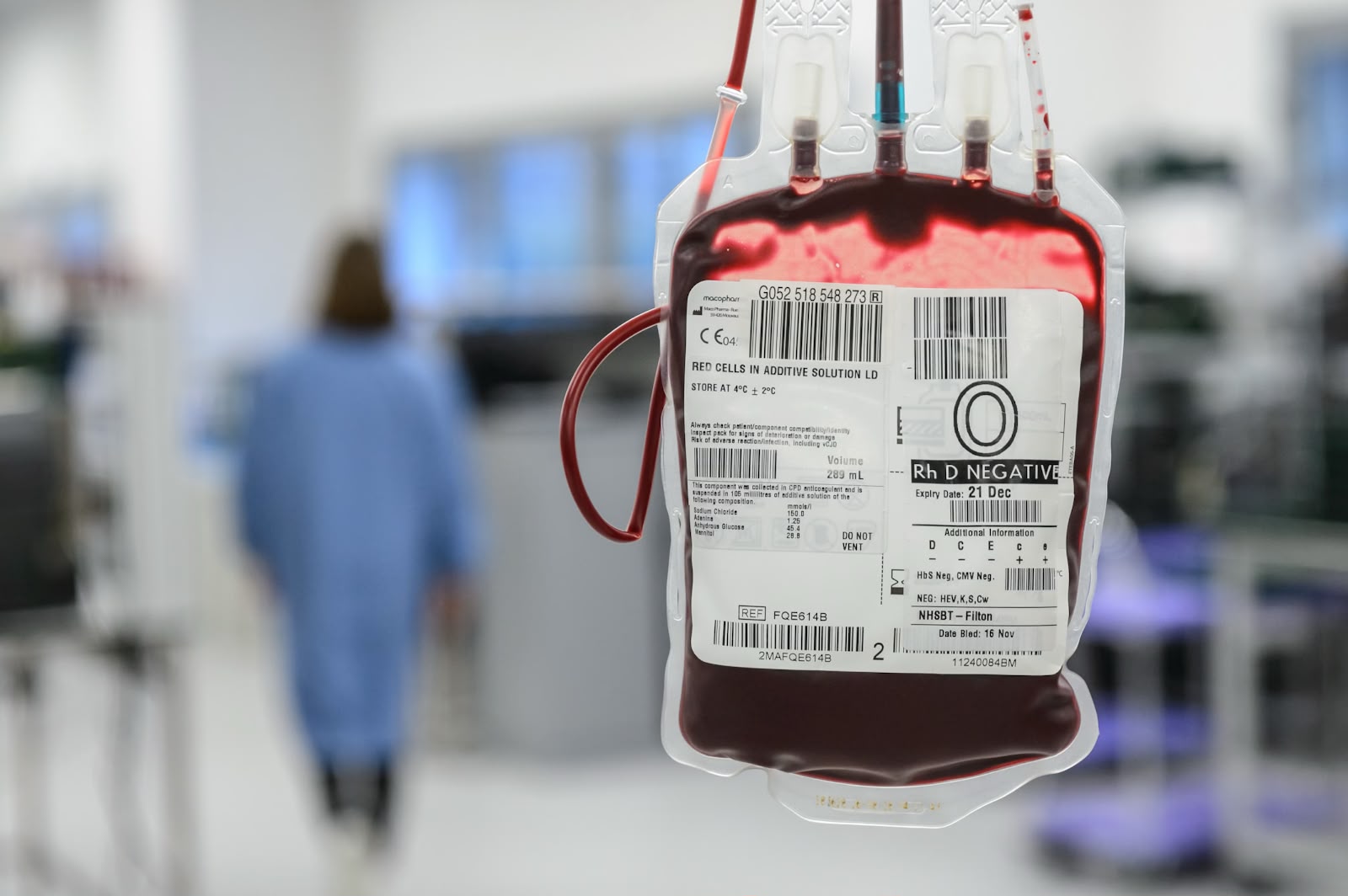
Others also supported the intention behind the proposal while suggesting that additional measures could help protect sickle cell patients, particularly when seeking emergency medical attention.
One person shared a different perspective, writing:
" I love this idea, however, I'd rather there be a medical bracelet or card that initiates a protocol to protect patients with sickle cell within a hospital. It should be initiated from the point of entry at A&E."
While a lanyard alone would not guarantee a particular response or replace medical identification and emergency treatment, it could provide an additional way for people to communicate their condition.