
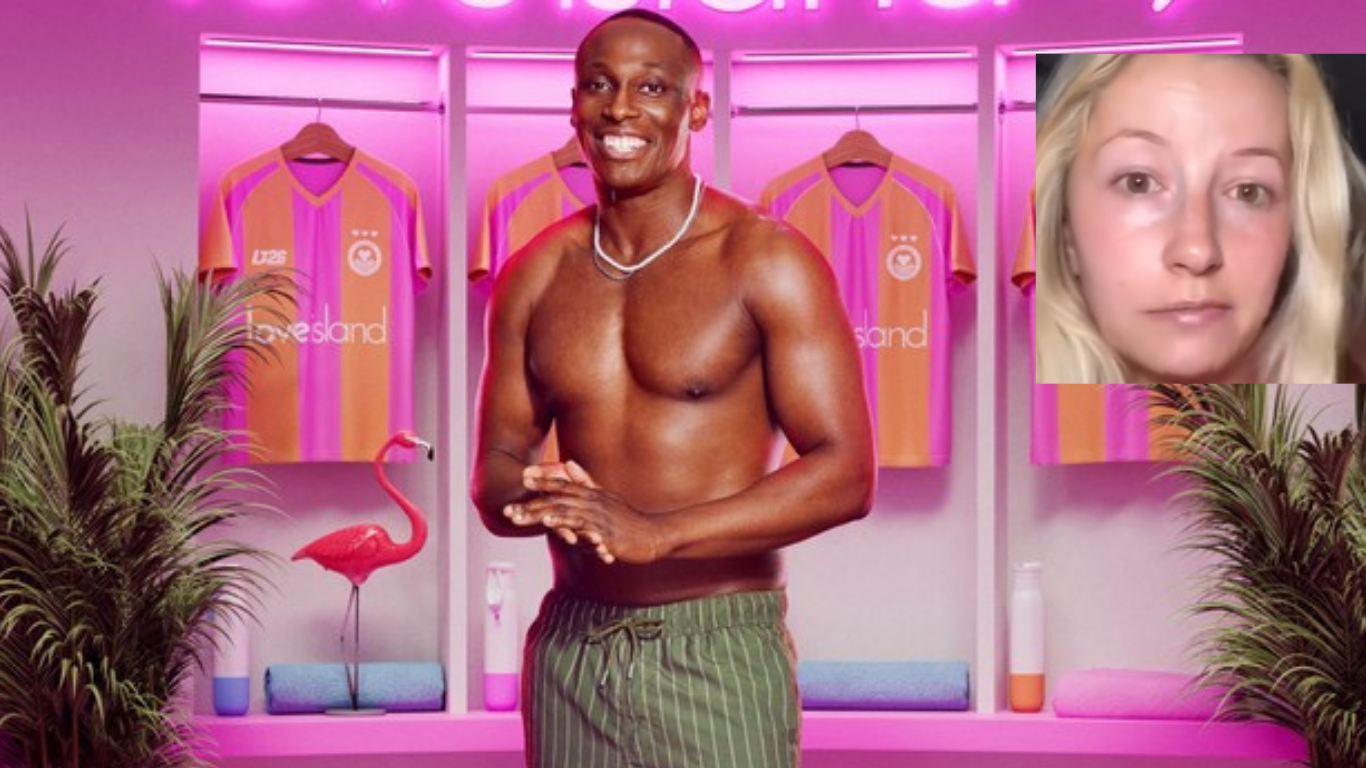

A TikTok creator has gone viral after questioning why some viewers were concerned about how new Love Island contestant Ope pronounces his name and who he chooses to date. Content creator Brooke sparked debate online after sharing her thoughts on the growing conversation surrounding the islander.
In her video, Brooke said: "With Ope, another thing I have to say is, it doesn't matter how he says his name, that's literally completely up to him. And it doesn't matter that his type is a white, blonde Scottish woman. Like who actually cares?"
While many social media users agreed that everyone is entitled to their own dating preferences, others argued that the wider discussion was never really about Ope having a "type."
Instead, many viewers questioned the limited romantic options often available to Black women on reality dating shows, with some suggesting the issue reflected broader patterns within programmes such as Love Island.
The debate also expanded beyond dating preferences and turned towards Ope's name pronunciation.
A number of creators pushed back against Brooke's argument that Ope should be free to pronounce his name however he chooses without criticism. They argued that the conversation touched on a long history of Black people feeling pressured to adapt or simplify traditional names in environments where others were unwilling to learn the correct pronunciation.
Responding to Brooke's video, social media user Misannn.o shared her perspective.
"Some people need to understand that when a conversation does not concern them, when they can never relate to a conversation, they need to leave the conversation or not involve themselves in it in the first place," she said.
She went on to explain that, for many Black people, altering the pronunciation of their names is often connected to experiences of exclusion and pressure to assimilate.
"Watering down our names doesn't come down to a personal choice," she argued. "It comes from oppression and feeling like you have to make your name sound more palatable to white people and make your name sound palatable to others so they can pronounce it."
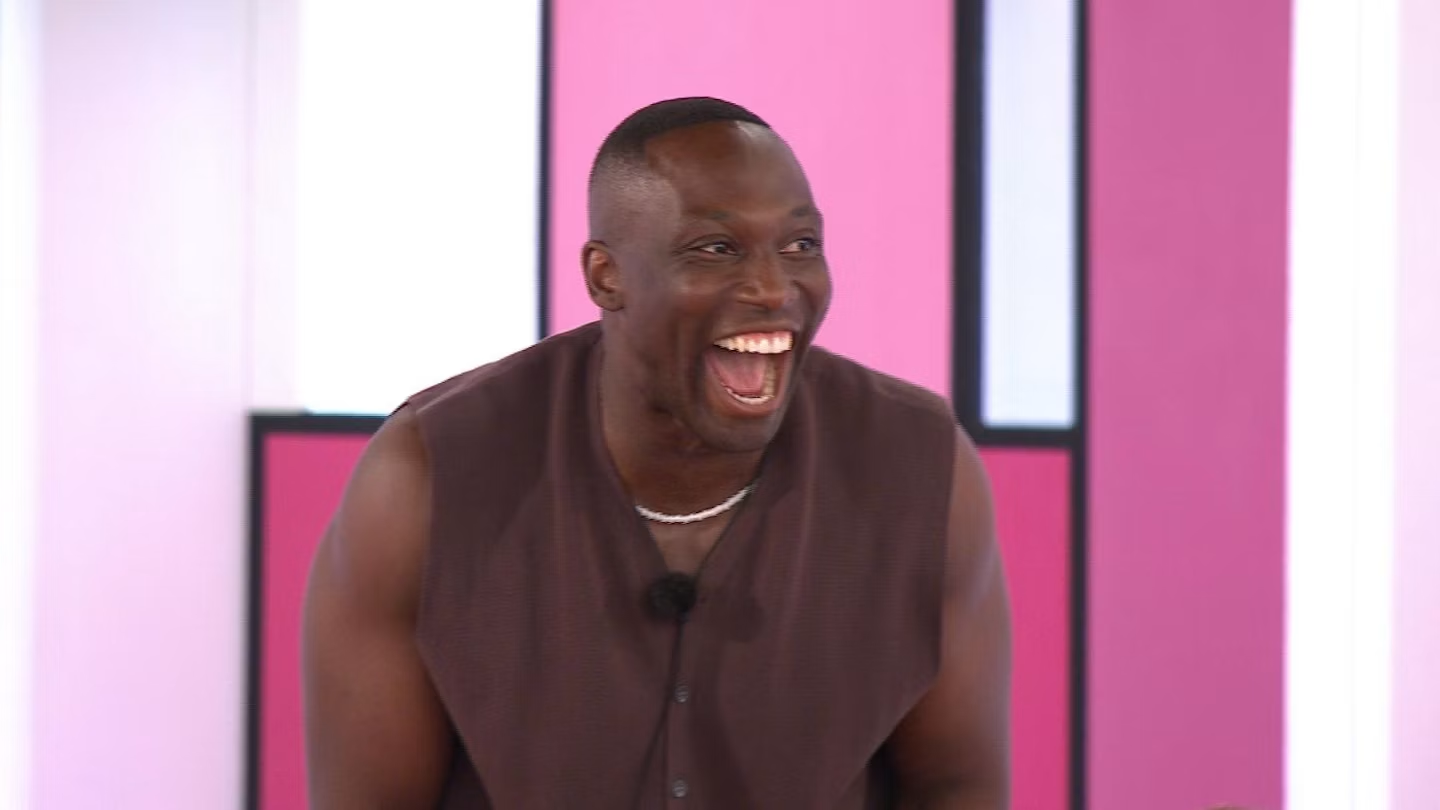
Using her own experience as an example, she added: "My first name is Oritsemisan and my middle name is Stephanie. I have never gone by Stephanie a day in my life."
Fellow content creator Tareq Ferguson also weighed in on the discussion, posting a response video directed at Brooke.
"I don't blame you, but at the same time you're coming on here so bold saying, 'What's wrong?' Are we watching the same thing?" he said.
"You will never understand it, Brooke. You will never get it."
Tareq explained that while he personally had never changed his name, many Black people have felt compelled to do so because teachers, managers, colleagues and others struggle to pronounce unfamiliar names.
"A lot of people have had to whitewash their names because teachers, managers, colleagues, certain friends, whoever, struggle to pronounce your name," he said.
"It becomes, 'I can't lie, it's okay, call me this because it's easier for you to pronounce.'"
He continued: "Really and truly, if my name is Ope, or if my name is Tolu, or Toluwafemi, you're going to pronounce my name correctly."
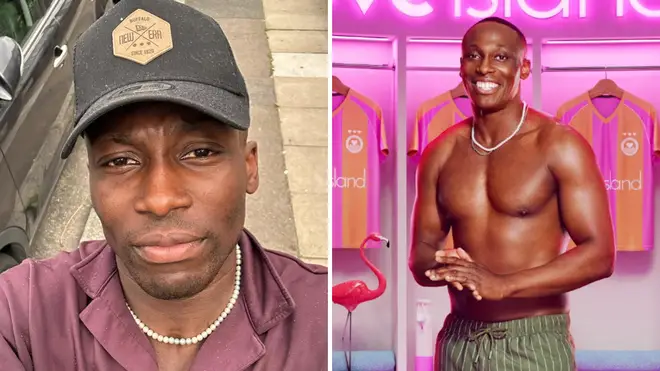
The debate quickly set our Instagram page alight, with many of out Residents weighing in with their own experiences.
One commenter wrote: "I will just keep my opinion to myself because if I talk I will be in trouble, but I am not surprised. Just go to any office in this country — there is a brother or sister calling themselves a different name to what their parents gave them at birth just to suit those who refuse to learn the correct pronunciation of our ethnic names."
Another added: "Guys are acting like they don't have Nigerian names at home but outside go by their English names lol."
Others argued there was an important distinction between choosing to use an English name and changing the pronunciation of a traditional Nigerian one.
"That would be fine if he used his British name over the Nigerian one," one user wrote. "But I think people are upset because he's used the Nigerian name and watered it down to make it English. So there's slight differences there."
Another commenter pointed out what they saw as an inconsistency in how people approach unfamiliar names.
"The crazy part is it's easier to just say 'O-peh' rather than 'Oh-pee'," they wrote. "It's totally fine to correct people's pronunciation of Niamh and Emily Ratajkowski, but simple two syllables of a Nigerian name is a problem?"
But another disagreed, "I don’t get why the black community is saying anything! The man says he hopes his wife will be a blonde Scottish girl. Pls y’all save this energy for the people that really matter. He is okay with the way his name is being pronounced."
.png)



.png)
.svg)
.svg)
.svg)