

Schools across England are set to undergo a major overhaul of food standards under new government proposals designed to tackle childhood obesity and improve the nutritional quality of meals served to pupils, with deep-fried foods such as chicken nuggets and fish & chips expected to be removed from school menus entirely.
The reforms are part of a wider strategy aimed at improving children’s diets and addressing long-standing concerns around obesity and tooth decay in the UK, where health experts have repeatedly warned that poor nutrition in childhood can have lasting impacts into adulthood.
Under the proposed changes, deep-fried food will be completely banned from school canteens, marking one of the most significant updates to school food guidance in more than a decade. The move forms part of a broader effort to ensure pupils are served healthier, more balanced meals during the school day.
Sugary snacks, processed foods and high fat options will also face tighter restrictions under the new rules, which are designed to reduce excessive sugar and fat consumption among school-aged children. Officials say the updated standards are intended to encourage healthier eating habits from an early age.

The proposals also outline stricter controls on desserts, with sugary puddings and baked goods to be limited and required to meet higher nutritional standards, including fruit content requirements in some cases. Schools will also be expected to offer more fruit, vegetables and wholegrains across weekly menus.
Sides such as chips and other foods cooked in oil or fat will also be restricted, as part of efforts to reduce overall calorie intake and improve diet quality in schools. Health experts involved in shaping the guidance say the changes reflect updated nutritional advice and current public health concerns.
The overhaul will also affect so called “grab and go” options, with items such as sausage rolls and pizza facing restrictions on how often they can be served, in a move aimed at reducing reliance on highly processed convenience foods in school environments.
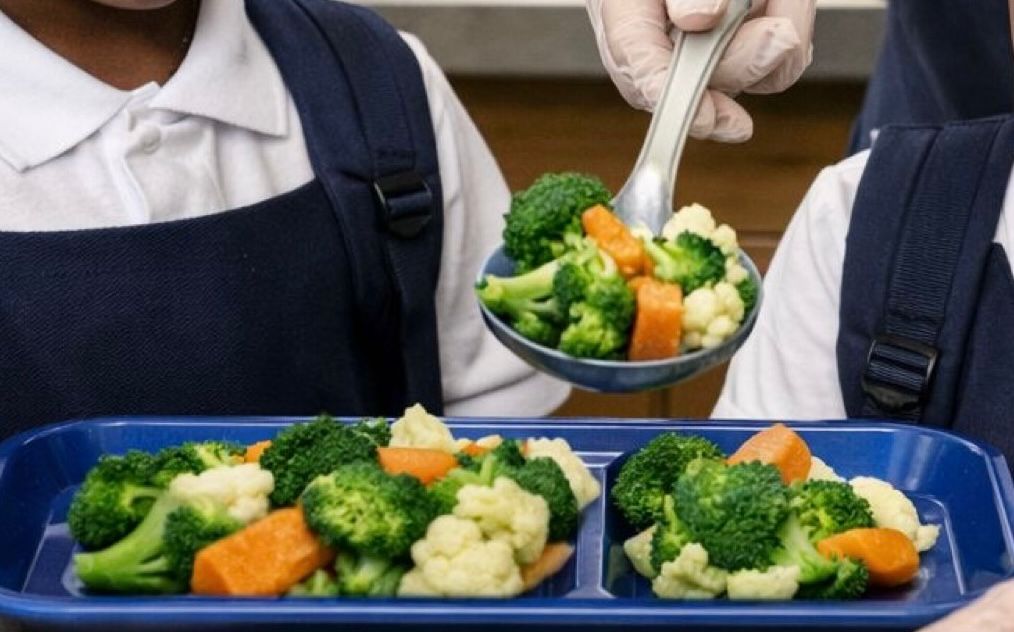
The government says the changes are intended to create more consistent standards across schools and ensure that children have access to healthier meals regardless of background or location. It forms part of wider public health efforts to address rising obesity rates among young people in England.
Health data has consistently shown that a significant proportion of children leave primary school overweight or living with obesity, while tooth decay remains one of the most common reasons for hospital admissions among younger children. Officials say the reforms are designed to help reverse these trends.
The reforms have also brought renewed attention to long standing campaigning in this area. Celebrity chef Jamie Oliver has been one of the most prominent voices calling for improvements to school food standards over the past two decades, particularly through his campaigns to reduce processed foods and increase the nutritional quality of school meals.
.jpeg)
His work in the mid 2000s helped spark national debate around school dinners, influencing policy discussions and raising public awareness of the importance of nutrition in education settings. The latest proposals have been viewed by some campaigners as part of a continuation of that broader movement towards healthier school food environments.
Supporters of the changes argue that schools have a responsibility to model healthy eating and that stronger standards are needed to reflect modern dietary guidance. They say the current system still allows too many ultra processed and high fat foods to be served regularly to children.
Critics, however, have previously raised concerns about the practical challenges of implementing stricter food standards, including cost pressures on school kitchens, limited budgets and varying levels of kitchen infrastructure across the country. School leaders have also warned that any new rules will need to be properly funded and supported to be effective.
The government has said the proposals will go through a formal consultation process before being finalised, allowing schools, parents and nutrition experts to provide feedback on how the changes could be implemented in practice.
Further details are expected in the coming months, including updated guidance for school caterers and clarity on how compliance will be monitored. If approved, the reforms would represent one of the most significant changes to school food policy in England in recent years, with a strong focus on reducing unhealthy food consumption and improving long term public health outcomes for children.
.png)





.png)
.svg)
.svg)
.svg)