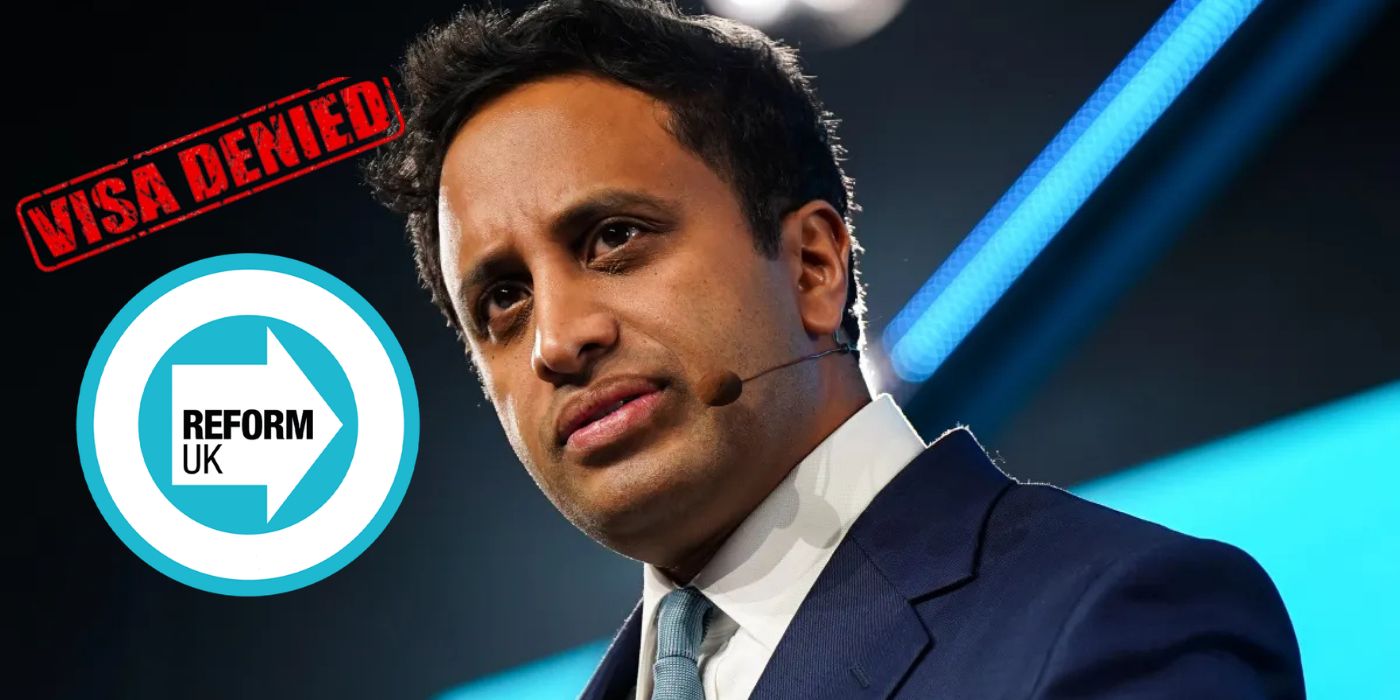

Reform UK has set out a new proposal that would restrict visas for countries publicly pressing the UK for payments linked to slavery, arguing that nations seeking financial compensation should not expect immediate entry permissions or eased travel routes. The party said the measure would demonstrate what it described as a firmer approach to international demands and a clearer stance on what it labelled unfair financial expectations.

The pledge was first detailed by Zia Yusef, who reported that senior figures within Reform UK believe the UK should reshape its diplomatic posture by refusing what they describe as retrospective financial requests.
.jpeg)
Countries cited in wider discussions around reparations, and referenced in the political debate surrounding Reform UK’s stance, include Ghana, Nigeria, Kenya, Barbados, Jamaica, Saint Vincent and several more, all of which have been part of ongoing regional calls for compensation from former colonial powers. These nations have, in various forums, urged governments in Europe to acknowledge and financially address the historical impact of the transatlantic slave trade.
.jpeg)
Reform UK insisted that the policy is intended to prevent what it describes as unfair financial appeals directed at the UK. One spokesperson reaffirmed the party’s view by saying,
"We will not reward countries that demand money from Britain for events that happened centuries ago."
The statement made clear that the party sees the issue as part of a wider attempt, in its words, to impose financial burdens on the present day.
Critics, including academics and human rights campaigners, have accused the party of adopting a stance that ignores the long lasting effects of slavery. They warned that targeting countries that have raised reparations discussions risks worsening diplomatic relations and could damage cultural, academic and trade links. Opponents also suggested that the approach could heighten tensions within the Caribbean Community, commonly known as Caricom, which has spearheaded much of the organised call for reparative justice.
.jpeg)
Commentators argued that the policy may undermine the UK’s international standing, particularly in regions where cooperation has historically depended on a mixture of development support and bilateral agreements. They said maintaining open communication is essential at a time when global alliances are shifting and when Caribbean nations have increasingly prioritised reparations as a central diplomatic issue.
Reform UK dismissed these concerns and said it intends to press ahead with its immigration and diplomatic plans, which it says will better reflect national priorities. Party figures insisted that restricting visas for countries making reparations demands will send what they called a firm signal about the UK’s approach to negotiations.
The proposal is expected to remain a point of debate throughout the campaign period, with both supporters and opponents preparing to use it as an example of the broader divide over Britain’s future role in international affairs.
.png)





.png)
.svg)
.svg)
.svg)