
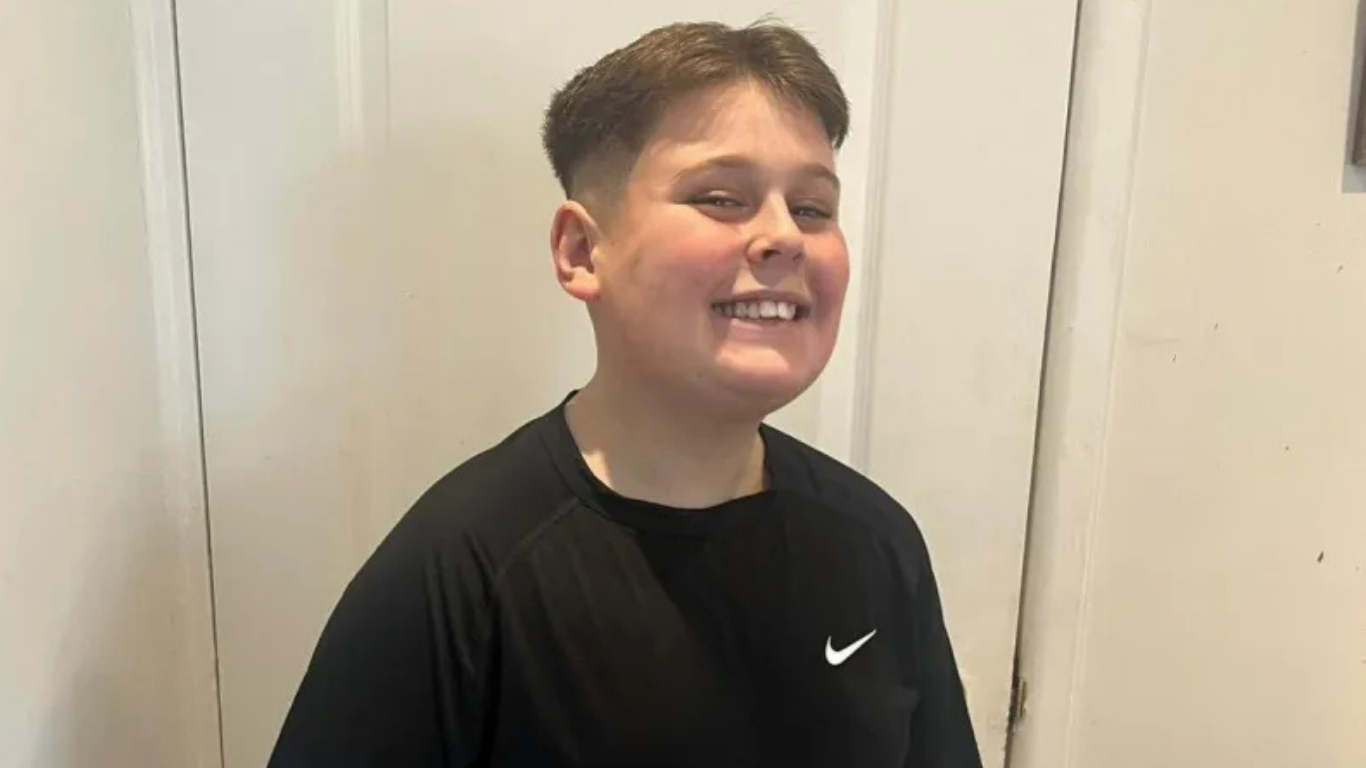

A family holiday turned into a distressing ordeal after armed police escorted a 13-year-old boy with Tourette syndrome out of an airport terminal following an incident involving comments made while boarding a flight to Spain. British Airways refused Mason, a teenager from Harwich in Essex, and several members of his family access to their Alicante-bound flight at London Gatwick Airport on Saturday after concerns were raised over remarks involving the word “bomb”.
The incident, which has since sparked widespread debate online about disability awareness and airline safety procedures, left the family stranded overnight and emotionally shaken.
Mason’s father, Martyn, 39, described the experience as “absolutely horrendous” and accused the airline of discrimination, saying the situation reduced multiple members of the family to tears.
Speaking after the incident, Martyn explained that the family had informed airline staff in advance about Mason’s Tourette syndrome and warned that anxiety surrounding the flight could trigger vocal tics.
Tourette syndrome is a neurological condition that causes involuntary movements and vocalisations known as tics. In Mason’s case, those vocal tics reportedly included repeatedly shouting the word “bomb” while waiting to board.
Despite this, the family said the journey through the airport had gone smoothly until they reached the boarding gate.
According to video footage captured during the confrontation, a British Airways manager explained the decision directly to the family, stating:
“We are not refusing him because he's got a disability.” The manager continued: “We are refusing him because there's been a threat made that he has a bomb in his bag.”
Martyn later told BBC News the emotional impact on the family was overwhelming. “Everyone was in tears because we've been waiting for this holiday for a long time,” he said.
He added that seeing his son denied boarding moments before departure was heartbreaking.
“I'm not a very emotional person and I was brought to tears. My wife was also crying her eyes out for Mason, as he's been looking forward to this holiday for an extremely long time. To get him right to the check-in desk and then be turned away was just heartbreaking for the poor kid.”
Armed officers later escorted Mason, his parents, and his one-year-old sister Ariella from the airport terminal. The family was forced to stay overnight in a hotel before spending an additional £2,400 on replacement flights with another airline the following day.
While most of the family were denied boarding, Mason’s 16-year-old sister Layla was permitted to continue the journey with family friends already travelling with the group.
The family eventually arrived in Alicante on Sunday, missing the first day of their holiday but determined to continue the trip so Mason would not feel excluded.
Martyn said the decision to continue travelling was important because they wanted their son to understand “he shouldn't be treated differently to anyone else”.
British Airways later released a statement describing the matter as “an extremely difficult, complex and distressing situation”. The airline maintained that Mason’s medical condition itself was not the reason behind the decision to deny boarding.
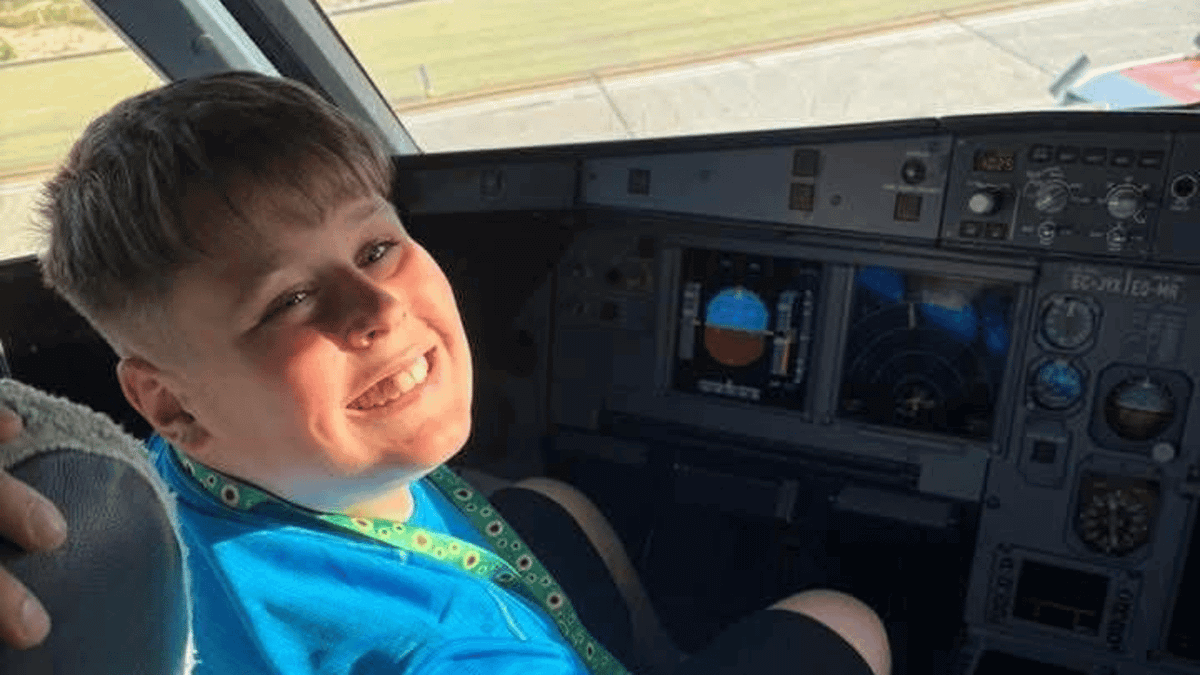
A spokesperson said: “Due to a number of contributing factors, the decision was made not to allow the group to travel on the flight.”
The incident has since triggered intense reactions across social media, with users divided between concerns over aviation security and calls for greater understanding of neurological conditions.
Meanwhile the Residents of The Shade Borough had mixed reactions, with one comment reading:
“As a passenger I don't wanna hear the word bomb I don't give a sh*t what condition you have that's my personal opinion and shout out to the manager who remained calm and professional throughout this ordeal she had voices coming at her from all directions and she never ignored, answered and still stayed professional.”
Others argued the situation could have been handled with more sensitivity and communication rather than escalation.
Another viral response suggested a simpler approach from airline staff may have prevented panic altogether:
“Ladies and gentlemen, this is your pilot speaking. We have a lovely young boy on our plane today who has tourette, please do not be alarmed by any of he’s ticks. Let’s have a safe flight. Thank you very much for flying with us today. It’s that simple!”
.png)



.png)
.svg)
.svg)
.svg)