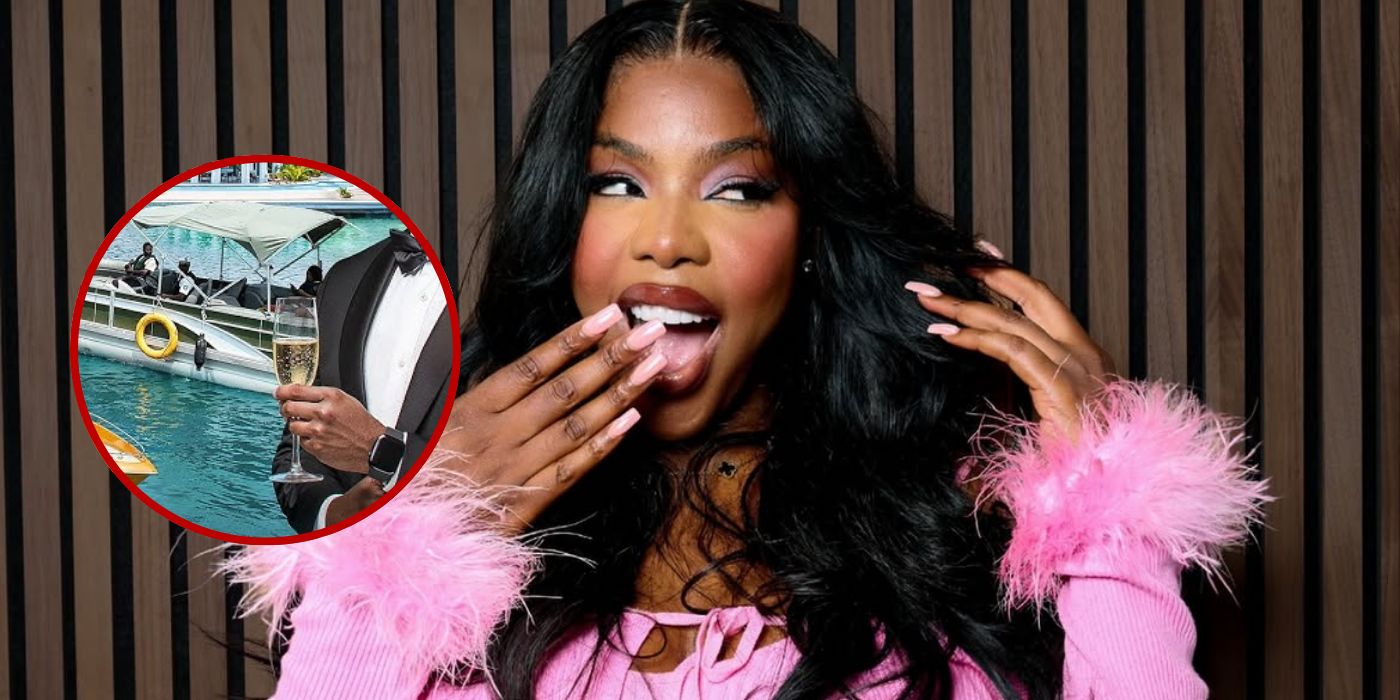

Grace Ajilore has openly criticised what she describes as “greedy” behaviour among wealthy men in the UK, sharing her views during a recent interview on Ms Banks’ podcast, where the pair discussed modern dating expectations and the idea of finding balance between financial status and emotional compatibility.
The conversation began with both women reflecting on the pressure many people feel to date so-called “high value men”, with Ms Banks suggesting that kindness and effort often matter more than income alone. She explained that a man does not need to be extremely wealthy to be thoughtful, recalling a date where a man who was not a high earner still bought her a designer item. She added that, in her view, men who genuinely care tend to show up consistently regardless of financial status.
.jpeg)
Building on that point, Grace responded more directly, saying her experience has shown her a clear pattern in behaviour based on wealth levels. She said,
“The guys that have money they’re greedy. Especially the ones in the UK here. The guys that have money in the UK, they are not as spendy spendy. The guys that are just nice guys – cause we need a nice guy, some girls just want guys that are high value, but they’re not nice, they’re not kind, they’re not sweet. I’m a mess for a genuine nice, sweet guy, makes me laugh, makes me feel very feminine. He might not have the most. That’s the type of guy that I actually like.”
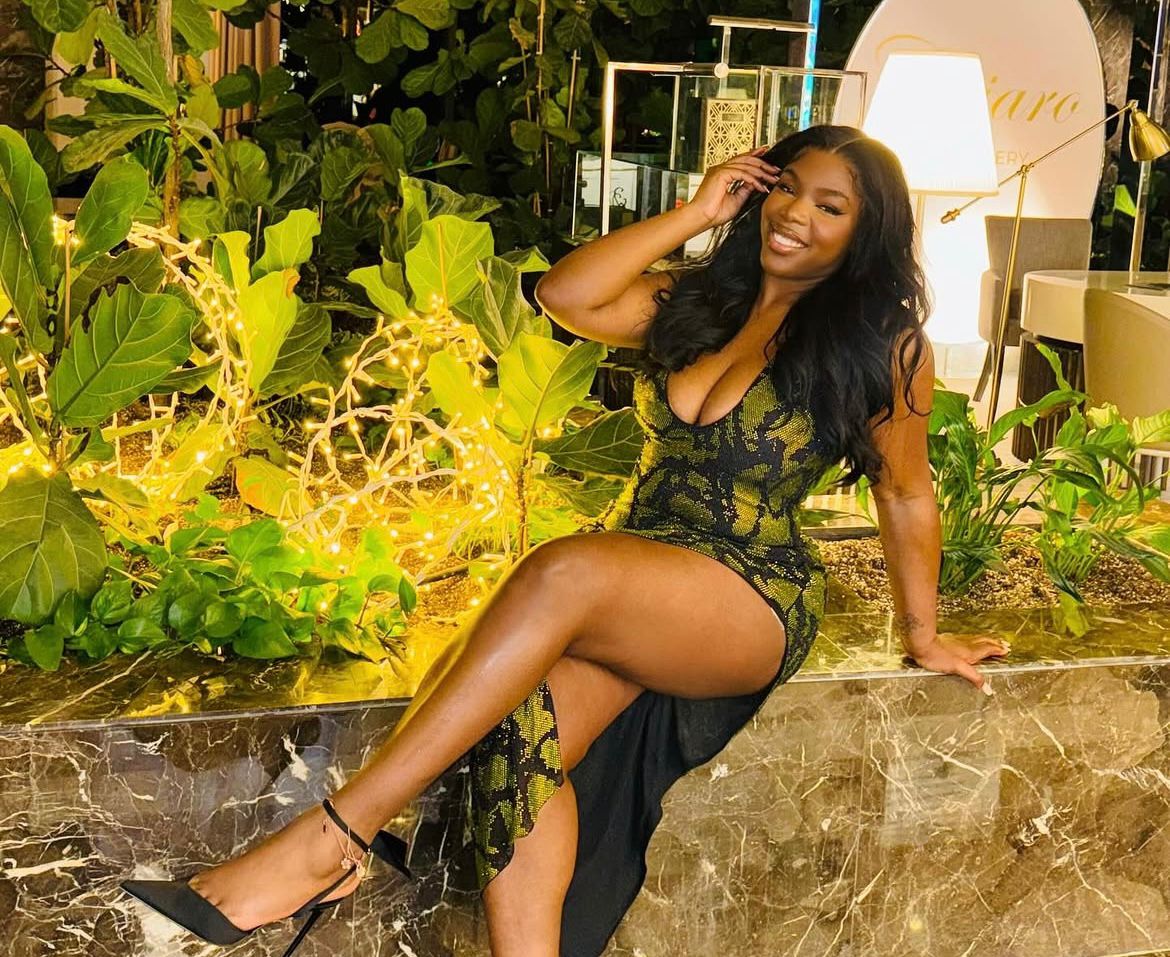
Her comments quickly sparked wider conversation online, particularly around the growing debate over what “high value” actually means in modern dating culture. In UK social media spaces, the term is often used to describe men with high income, status or lifestyle appeal, but critics argue it can overlook emotional maturity, consistency and respect in relationships.
Supporters of Grace’s perspective say her comments reflect a reality where financial success does not always translate into generosity or emotional availability. Others argue that wealth cannot be generalised in this way, pointing out that generosity and character vary from person to person rather than by income bracket.

The discussion also ties into a broader ongoing debate in the UK about dating standards, particularly among younger audiences influenced by social media, relationship podcasts and influencer culture. The concept of “high value” dating has been widely discussed across platforms, with some promoting financial ambition as a key trait, while others push back, emphasising emotional intelligence, kindness and compatibility as more sustainable foundations for relationships.
Online reaction to the clip from the podcast was immediate, with viewers sharing mixed opinions.
One person commented,
“Everyone says high value, like someone without money isn’t high value. People are valuable depending on what you seek as value, someone with high financial value may lack in emotional value.”
Another wrote,
“You know what, what y’all said is true!! No lies detected, end of discussion.”
A third added,
“If they wanted to, they would. No matter the bracket (money to big money) they will do the most if they are feeling you, from day 1 and everyday after that.”
The debate ultimately highlights the ongoing tension between financial expectations and emotional needs in modern relationships. While Grace Ajilore’s comments have divided opinion, they have also reignited conversation about what people truly value when it comes to love, consistency and long-term connection in today’s dating landscape.
.PNG)


.png)
.jpeg)
.jpeg)
%20(3).png)
.svg)
.svg)
.svg)