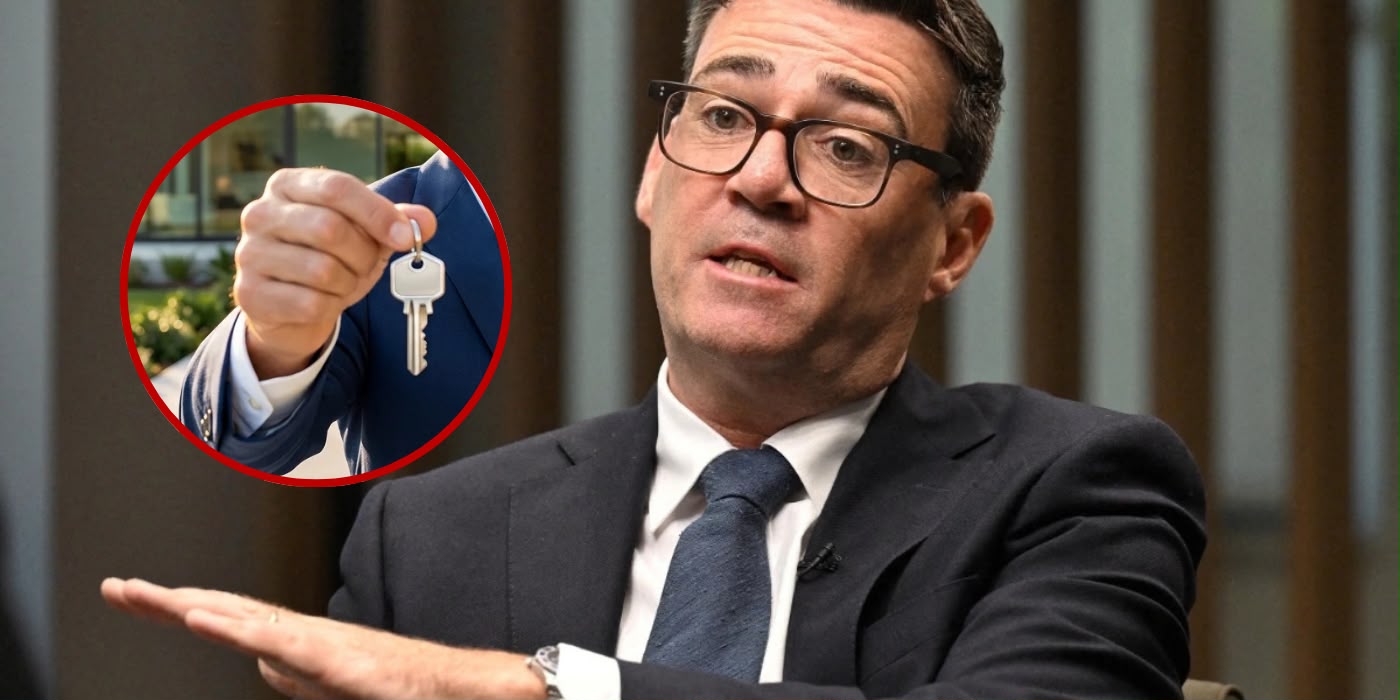

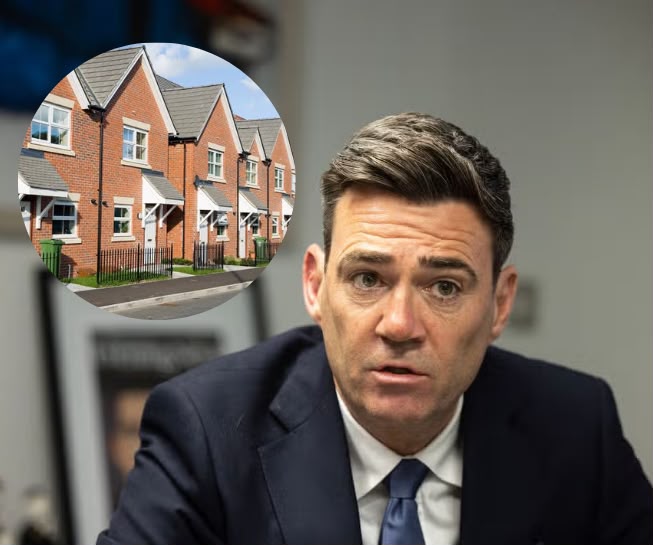
Prime Minister Andy Burnham has announced a new scheme intended to help first-time buyers get onto the property ladder, with eligible buyers potentially able to purchase a new-build home with a deposit of just 2.5%.
The programme, called Your First Home, is designed to support people who may be able to afford the ongoing costs of owning a property but have struggled to save a large enough deposit. The scheme was announced on Saturday, September 26, ahead of the Labour Party’s annual conference in Liverpool, which marked Burnham’s first conference as prime minister.
Under the plans, first-time buyers in England will be able to access a government-backed equity loan worth 20% of the value of an eligible property, provided they have saved a minimum deposit of 2.5%.
The equity loan will initially be interest-free, with the government saying this is intended to help keep housing costs affordable for those using the scheme. The programme is specifically aimed at people who do not have access to financial assistance from their families, an issue Burnham referred to as the “bank of mum and dad”.
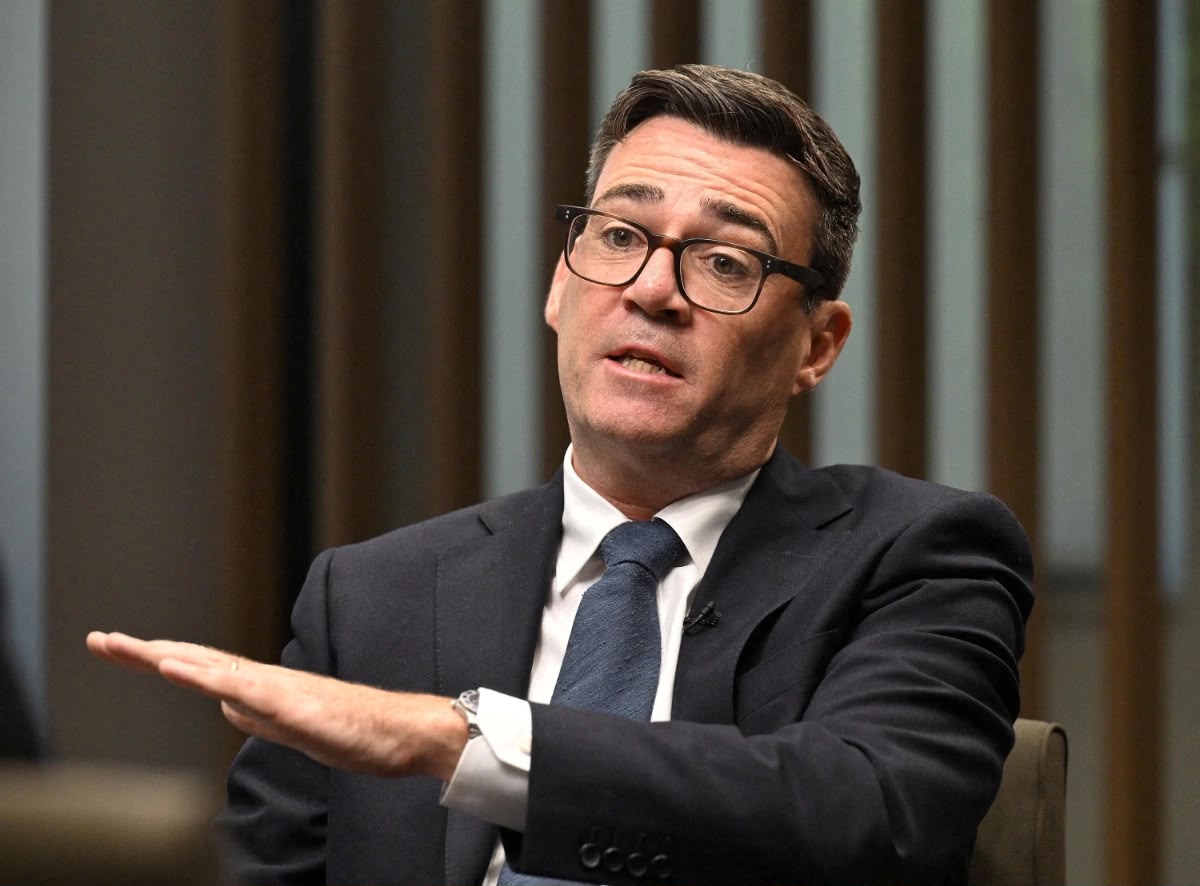
The government said the scheme will be targeted towards people who need support to buy a home, rather than being available without restrictions to all first-time buyers.
The basic structure of Your First Home would allow an eligible buyer to contribute 2.5% of a property's purchase price as their deposit, while the government provides an equity loan worth 20%. The remaining amount would then need to be covered through the buyer’s mortgage and other applicable financing arrangements.
For example, based on a £230,000 property, which Sky News reported as the national average price for a starter home according to Rightmove, a buyer would need a deposit of £5,750.
They could then receive an equity loan of up to £46,000, equivalent to 20% of the property’s value. The figures are intended to demonstrate how the scheme could reduce the amount a buyer needs to save before being able to purchase a home. However, the 2.5% deposit does not mean buyers will be able to purchase any property at any price under the programme.
The government has confirmed that the scheme will include household income limits and local property price caps, with the intention of focusing assistance on buyers who need it most.
The full details of those limits have not yet been announced.
The scheme is also intended specifically for new-build properties, meaning buyers will not be able to use the programme to purchase an existing second-hand home. Properties will need to be purchased from developers participating in the scheme.
The announcement comes as the cost of buying a home continues to present a significant barrier for many prospective first-time buyers.
For people already paying rent and other household expenses, building a deposit can take years, particularly where they do not have family members who can contribute towards the cost of purchasing a property. Burnham said the government was concerned about young people who had stopped believing home ownership was achievable because of housing costs.
“Too many young people are struggling with the cost of housing, with many giving up hope of ever having a home to call their own.
“So we will step in to help more first-time buyers on to the housing ladder, especially those who can't call on the bank of mum and dad.
“Your First Home will get them the keys to their own front door and give builders the confidence to deliver the high-quality new homes the country needs.”
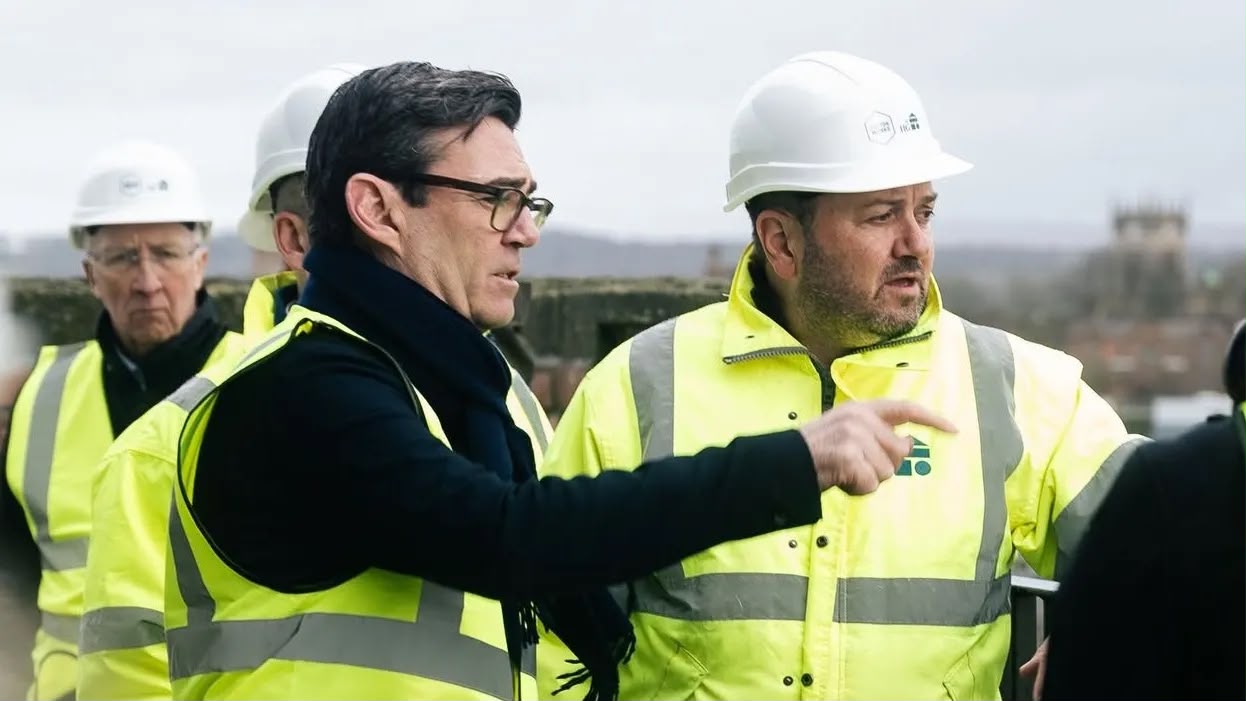
The government says the policy is therefore intended to address both the deposit barrier facing prospective homeowners and the need to encourage the construction of new homes.
Housing developers will also be expected to contribute towards the running costs of the programme when they sign up to participate.
The government has said this will help provide greater confidence to developers to build new properties, while also helping cover the cost of operating the scheme.
The scheme is not yet fully operational, with further details expected to be announced at the government’s Budget in October.
The Ministry of Housing, Communities and Local Government said the scheme is expected to be confirmed at the Budget, with further information on its costs, implementation timetable and detailed eligibility criteria still to come.
Pre-registration is expected to open before the end of 2026. Funding for the programme is expected to come from reprioritising existing government budgets, while developers will contribute towards its running costs.
The government has not yet published every detail surrounding how the equity loan will operate after its initial interest-free period.
The length and precise terms of that interest-free period, as well as the eventual costs associated with the equity loan, will therefore be important details for prospective buyers to consider once the full rules are published.
Although the new programme has been described as a new Help to Buy-style scheme, its official name is Your First Home. It follows previous government-backed Help to Buy programmes that were designed to make home ownership more accessible by reducing the amount buyers needed to save before purchasing a property.
The previous Help to Buy Equity Loan scheme allowed eligible buyers to purchase new-build homes with a smaller deposit, with the government providing an equity loan towards the purchase. That programme was eventually closed to new applications in England in 2022, following changes that restricted the scheme to first-time buyers and introduced regional property price limits.
.jpeg)
Your First Home is intended to have a more targeted focus, with household income limits and local property price caps designed to direct support towards buyers who might otherwise struggle to purchase a home.
The government is also linking the new scheme to its wider housing ambitions, particularly increasing the supply of newly built properties.
Housing Secretary Angela Rayner also welcomed the announcement, arguing that high housing costs had left some people unable to achieve home ownership. She said:
“We've seen too many people priced out and giving up on the dream of ever having a home to call their own.
“This scheme will make getting on the first rung of the property ladder just that bit easier and increase access to home ownership.”

The government says the policy will form part of wider efforts to increase access to home ownership while supporting the construction of new homes. The scheme is expected to be focused on “modest” new-build properties rather than allowing buyers to use government support towards higher-value homes.
The household income and property price restrictions are intended to ensure the programme is directed towards people who meet the government’s criteria rather than buyers who could already afford more expensive properties without assistance.
For prospective first-time buyers, the headline figure is the 2.5% deposit requirement, but the final affordability assessment will involve more than simply having enough money saved for the deposit.
Applicants will still need to meet the relevant mortgage and lending requirements, while the final scheme rules will determine which households and properties qualify. The fact that the government will provide a 20% equity loan also means buyers will not simply receive a 20% cash discount on their home. Instead, the loan represents an equity stake in the property and will have to be dealt with according to the terms of the scheme.
The initial interest-free period is intended to reduce the immediate cost of the government-backed borrowing, but the long-term financial implications will depend on the final rules announced by the government.
.jpeg)
The government has also made clear that participating developers will be part of the programme, meaning buyers will need to purchase an eligible new-build property from a developer signed up to the scheme.
With further details expected at the October Budget, prospective buyers will have to wait for the government to confirm the income limits, property price caps, implementation arrangements and precise terms of the equity loan.
For now, Your First Home represents the latest attempt by the government to address the deposit barrier faced by first-time buyers, while also encouraging developers to increase the supply of new homes across England.
%20-%201.PNG)


.jpeg)
.jpeg)
%20(1).PNG)
.svg)
.svg)
.svg)