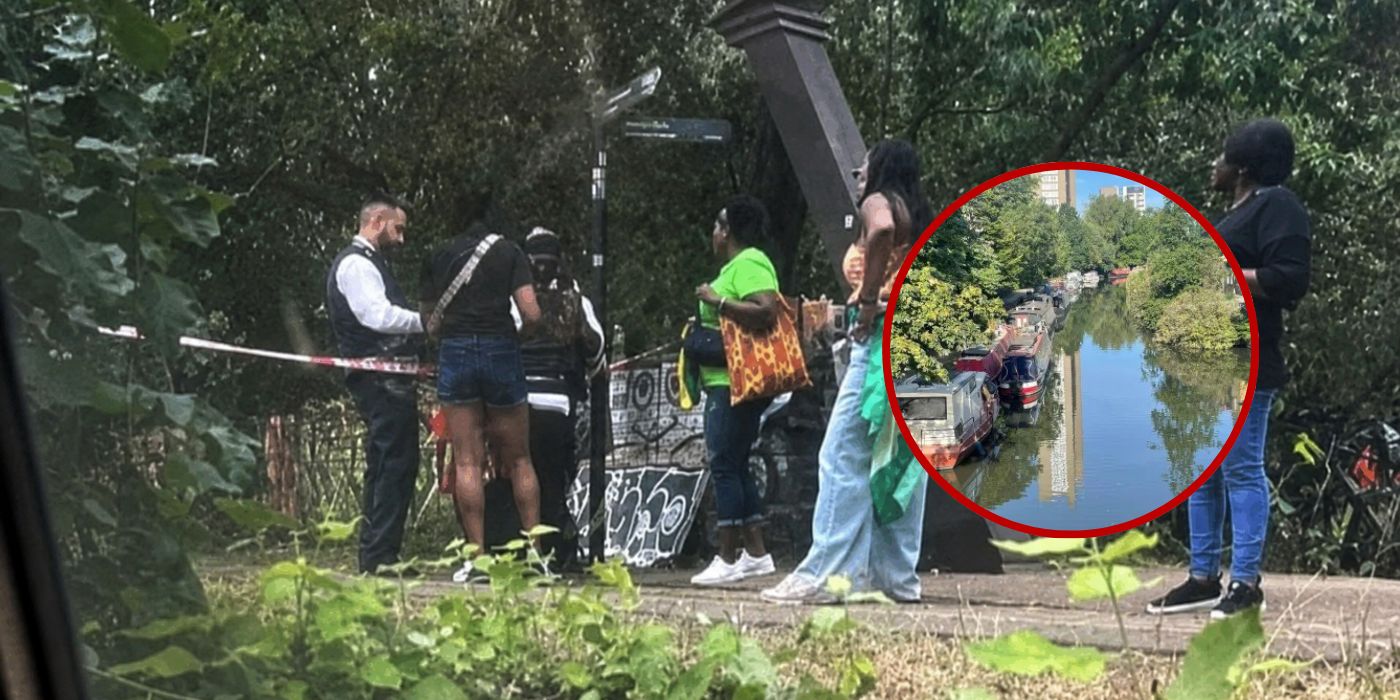

A man in his 20s has died after entering a canal while fleeing from police officers in west London.
The incident happened on Monday, August 31, as thousands of people gathered across west London for the final day of the 2026 Notting Hill Carnival, which marked the event's 60th anniversary. According to the Metropolitan Police, officers were carrying out duties as part of the carnival policing operation when they attempted to stop the man at around 3.19pm in the vicinity of Harrow Road, as he approached the event.
The man, who has not been publicly identified, then fled from officers on foot. Police pursued him, and shortly afterwards he entered the water near Meanwhile Gardens, off Kensal Road. Officers and members of the public immediately went into the canal in an attempt to rescue him, eventually managing to pull him from the water and onto dry land.
It quickly became apparent that the man required urgent medical attention, prompting officers at the scene to begin CPR while paramedics from the London Ambulance Service were called. When emergency medical crews arrived, they continued treating the man at the canal before he was taken by ambulance to a central London hospital.
Despite the efforts of police officers, members of the public and medical professionals, the man was pronounced dead at 4.43pm. Police subsequently launched urgent enquiries to locate and inform his next of kin, while the circumstances surrounding the incident were referred to the Independent Office for Police Conduct, known as the IOPC, for investigation.
.jpeg)
Commander Claire Smart, who was in charge of the policing operation during the carnival, described the death as tragic and offered her thoughts to the man's loved ones. She also urged people not to speculate about what happened while the independent investigation takes place.
She said:
“This is a tragic incident and our thoughts are with the loved ones of the man who has lost his life.
“Any death following contact with the police is passed to the Independent Office for Police Conduct so the circumstances can be fully investigated. I would encourage everyone to avoid speculation while this work takes place.
“I acknowledge the efforts of the officers and members of the public who entered the canal to rescue this man. I know they will be devastated that his life couldn’t ultimately be saved.”
At present, police have not publicly explained why officers initially attempted to stop the man, or what circumstances led to him running away from them. There has also been no official suggestion that he was being pursued for a particular offence, meaning the reasons behind the initial police interaction and the subsequent pursuit remain important parts of the investigation.
The circumstances have prompted questions from some people online, with commenters questioning why the man was stopped and whether the pursuit could have been avoided. Some have called for the circumstances leading up to his death to be examined closely, particularly given that the incident began with an attempt by officers to stop him before he fled towards the canal.
One person commented:
“It is so sad knowing that this could have been prevented!”
Another raised questions over the necessity of the police pursuit, writing:
“What was the major concern to stop him and essentially be the cause of his death? What was the imminent threat that it has to end in the loss of a young mans life? An investigation needs to be done as to why it was necessary to pursue a man into his demise.. let’s see what rhetoric they create to justify their actions.”
.jpeg)
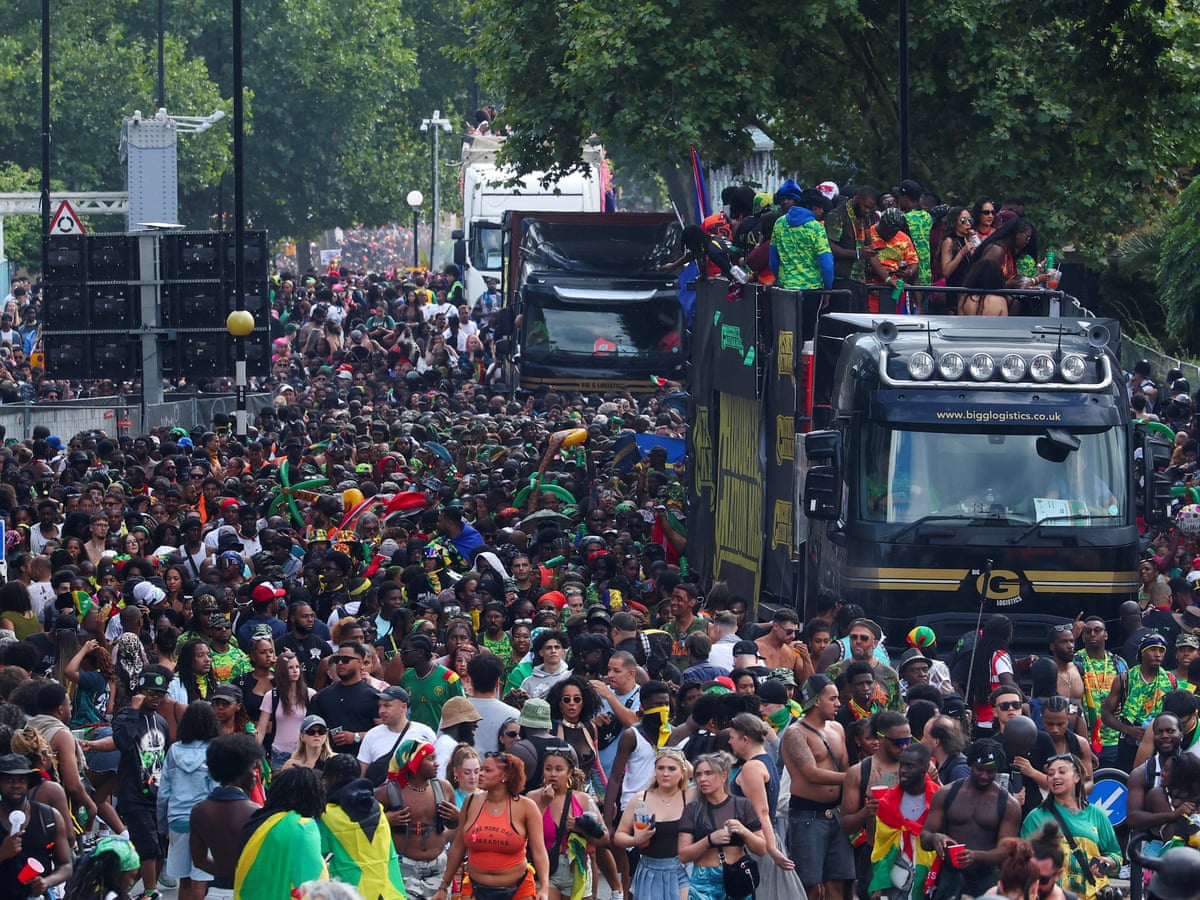
The comments come as the policing of Notting Hill Carnival continues to generate discussion around public safety, crime prevention and the way the large-scale event is managed. The carnival attracts around two million people and requires a significant policing operation each year because of the size of the crowds, the number of roads and public spaces involved, and previous incidents of serious violence.
This year's carnival was particularly significant because it marked 60 years since the street celebration began. The event has deep roots in London's Caribbean community and developed against a backdrop of racial tension and divisions in Notting Hill during the 1950s and 1960s. It has since become one of the world's largest celebrations of Caribbean culture, with elaborate costumes, music, dancing, sound systems, street food and parades taking over west London each August bank holiday weekend.
The event's history has also meant that discussions around policing can be particularly sensitive, with safety concerns existing alongside wider debates about how the predominantly Black and Caribbean cultural celebration is policed. Over the years, the Metropolitan Police has faced scrutiny over the number of officers deployed, stop and search practices, arrests and the use of surveillance technology during the carnival.
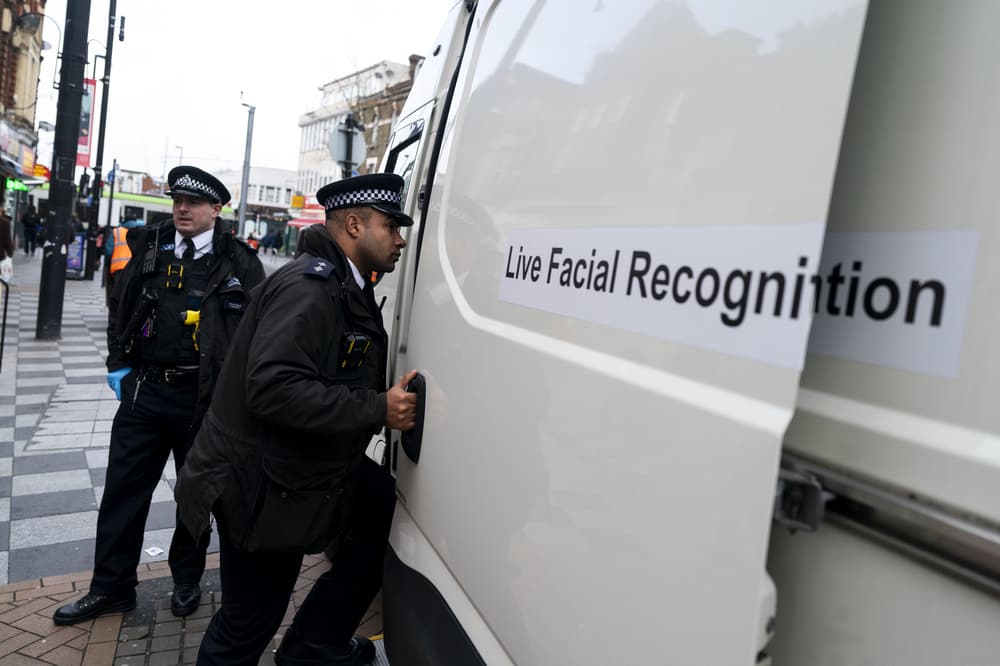
This year, the force expanded its use of live facial recognition technology as part of its policing operation. The Metropolitan Police said the technology generated 214 alerts and contributed to 121 arrests, while 86 registered sex offenders were stopped and spoken to. Seven of those individuals were subsequently found to be breaching their conditions or notification requirements and were arrested. Officers also carried out extensive stop and search activity, which resulted in 68 weapons being recovered, including a handgun.
The scale of the policing operation reflected the challenges of managing an event attended by around two million people. The Metropolitan Police confirmed that 636 arrests were made during this year's two-day operation, with 242 arrests on Sunday and 394 on Monday. A total of 193 arrests took place on approaches to the carnival, while the remaining arrests were made within the event footprint, with offences including drug possession and supply, assaults, assaults on emergency workers, possession of weapons, sexual offences and public order offences.
Despite the number of arrests and the death of the man near the canal, police said the overall atmosphere at the carnival was largely positive. Commander Smart previously said officers had seen a reduction in serious violence compared with previous years, while crediting the work of organisers and other partners with helping to improve crowd safety and event management.
She said that Notting Hill Carnival Ltd had taken on a number of responsibilities that had previously been carried out by police, allowing officers to concentrate more heavily on preventing and responding to crime. The force said this collaborative approach had contributed to a reduction in serious violence during the event.
However, the man's death has brought renewed attention to the way police interactions can unfold during the huge annual celebration. While some members of the public have questioned the circumstances of the pursuit, the full sequence of events has not yet been established publicly, and the IOPC investigation is expected to examine the circumstances surrounding the police contact and what happened afterwards.
The investigation will therefore be significant in establishing why officers attempted to stop the man, what happened during the pursuit and the circumstances that led to him entering the canal. Until those enquiries are complete, police have urged people to avoid speculation while investigators work to establish the facts.
For now, the man's identity has not been released, with police continuing efforts to inform his next of kin. His death has occurred against the backdrop of a major cultural celebration that attracted huge crowds to west London, leaving an ongoing investigation into the events that preceded the fatal incident.
.png)


.png)
.png)
.png)
.svg)
.svg)
.svg)