
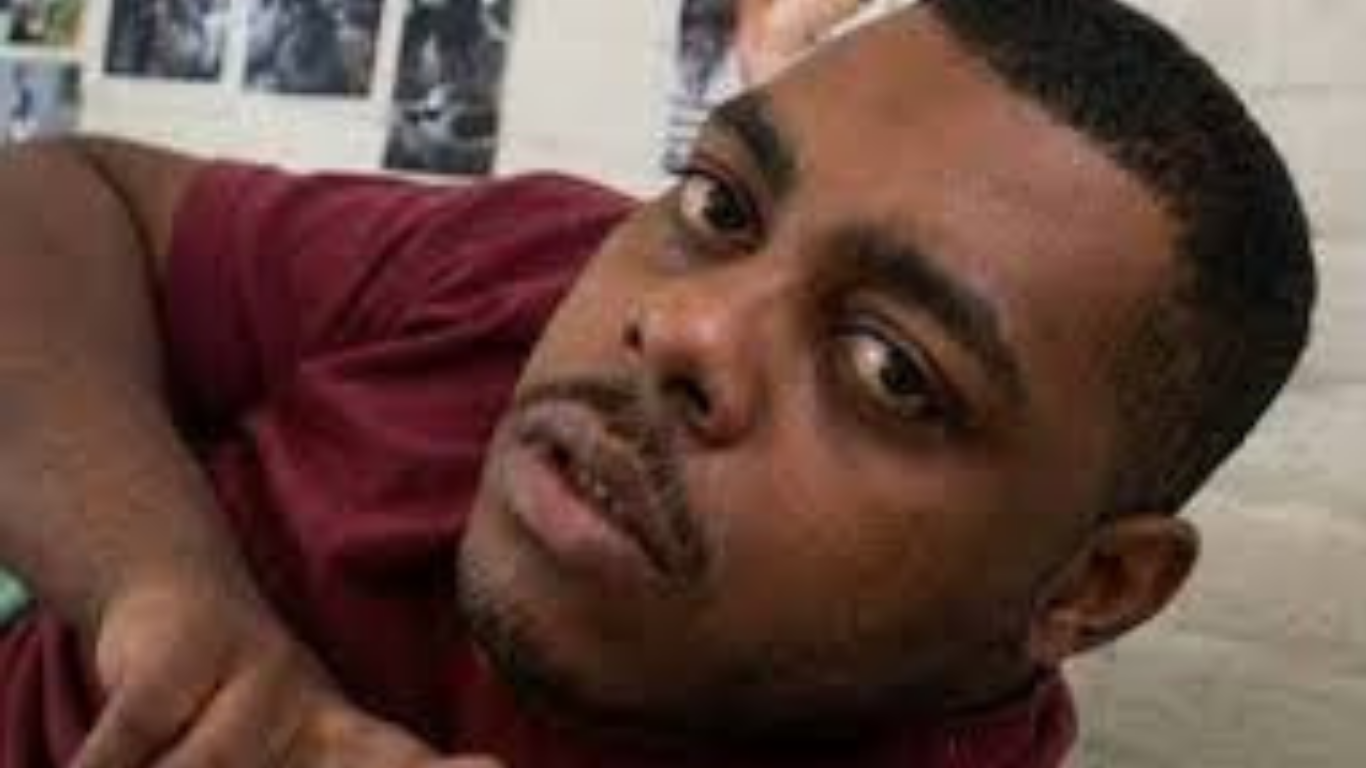

A man who spent more than 20 years behind bars for stealing a mobile phone is set to be released next month after a parole board approved his freedom following decades of imprisonment under the controversial Imprisonment for Public Protection (IPP) sentencing scheme. Leroy Douglas, now 44, was sentenced in 2005 after robbing a friend of a mobile phone behind Cardiff railway station. Although nobody was physically injured during the incident, he received an IPP sentence with a minimum tariff of just two-and-a-half years.
Instead of being released after serving that term, Douglas remained in prison for more than two decades, becoming one of the thousands of offenders trapped by the now-abolished sentencing regime.
His release comes shortly after a United Nations ruling found that his continued detention was "unlawful" and amid growing pressure on the government to address what campaigners describe as one of the biggest injustices in the modern prison system.
Speaking from HMP Erlestoke in Wiltshire, where he is awaiting transfer to a hostel ahead of his release, Douglas said he had spent years fighting for a chance to rebuild his life.
"I've been waiting for this day for the past 20 years.
"I've never stopped fighting for my release. Freedom should have come to me ages ago, to be honest, because I'm not dangerous; I only stole a phone, with no violence, with just the threat of force, which led to me staying in jail 20 years."
Douglas was 24 when he was sentenced and had a history of offences linked to drug addiction. During his time in prison, however, he transformed his life.
He became sober, completed more than 30 rehabilitation programmes and worked to address issues relating to substance misuse, anger management and victim awareness.
Psychologists who assessed him reportedly concluded that he posed no risk if released.
Despite this, he continued to be detained years beyond the expiry of his original tariff.
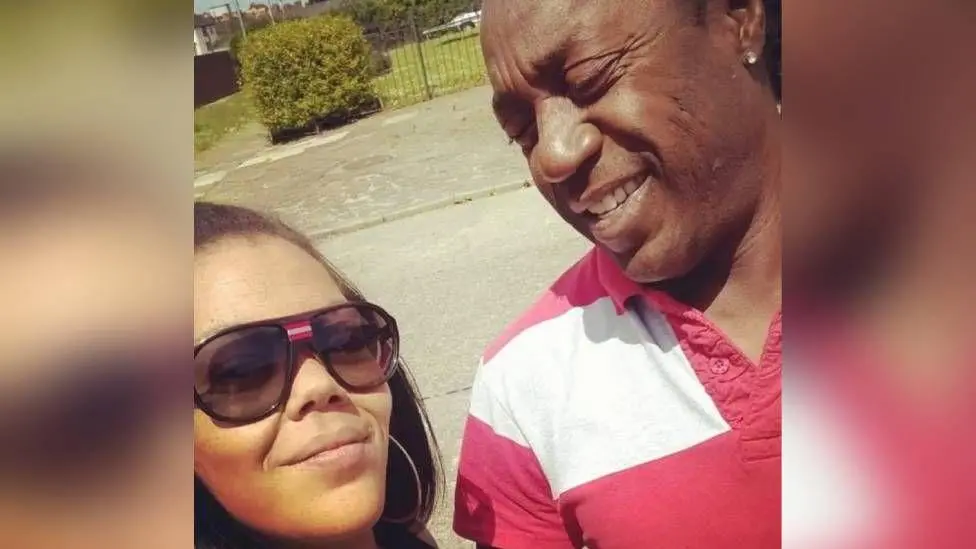
One of the most painful aspects of his imprisonment was missing much of his youngest daughter's life.
Douglas became a father shortly after entering prison and has spent the majority of her childhood incarcerated.
He says the prolonged detention has left many IPP prisoners struggling with lasting trauma and mental health difficulties.
In a direct appeal to the government, he urged ministers to take action for those still serving indefinite sentences.
"Free up the damn IPP inmates who are human beings, not dogs."
He added:
"Most of us haven't committed crimes for over 10 years, yet still the government tries to portray us as some danger to the public.
"Most have been so traumatised that they now have psychological or psychiatric problems and need more help than when they first went away."
IPP sentences were introduced in 2005 and allowed courts to imprison offenders indefinitely if they were considered a future risk to the public.
Although prisoners were given a minimum tariff, they could only be released if the Parole Board was satisfied they no longer posed a danger.
The sentence was abolished in 2012 after widespread criticism, but the change was not applied retrospectively, leaving thousands already serving IPPs trapped within the system.
Many remained incarcerated for years beyond their original tariffs, while others continued to face strict licence conditions after release.
Campaigners have long argued that the uncertainty created by the sentence has had devastating consequences. Scores of IPP prisoners have died by suicide, while many others have developed serious mental health conditions.
Douglas's case has become a symbol of the wider debate surrounding IPP sentences.
Earlier this year, the United Nations concluded that his detention, along with that of several other IPP prisoners, amounted to unlawful detention.
The ruling has added momentum to legal challenges and calls for wholesale reform of the system.
UN Special Rapporteur on Torture Dr Alice Jill Edwards has been among those urging the government to take decisive action.
"Please don't be stubborn and hold to old solutions that have still not worked."
She has argued that a judicial resentencing programme is the "only plausible" solution to what she described as a "horribly unfair" sentencing regime.
Douglas's release also comes as Prime Minister Andy Burnham has pledged to bring an end to the remaining IPP sentences before the end of the current Parliament.
For Douglas, the announcement offers hope not only for himself but for hundreds of others still caught in the system.
After more than 20 years in prison for a crime that originally carried a minimum sentence of two-and-a-half years, he is finally preparing to begin life outside prison walls
.png)


%20(1).png)
.png)
.jpeg)
.jpeg)
.svg)
.svg)
.svg)