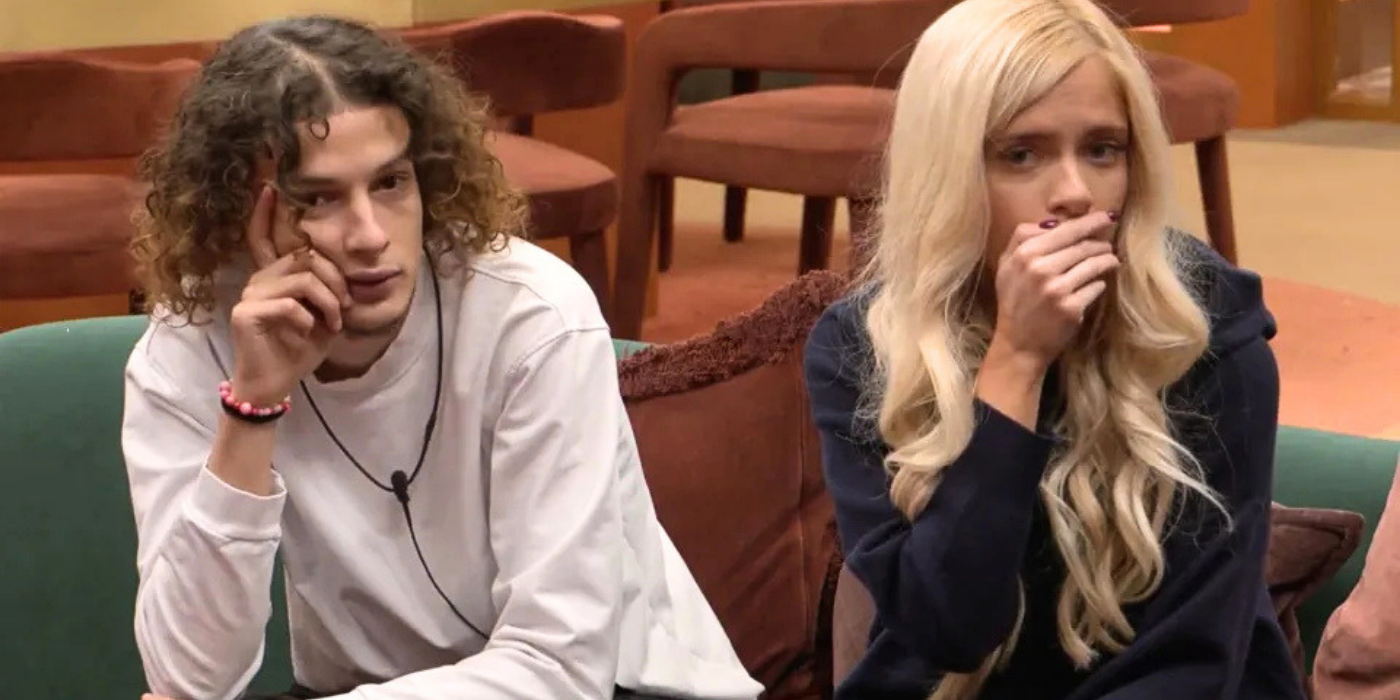

Big Brother UK viewers are calling for Omar to be removed from the house following his controversial treatment of fellow housemate Rhianna, with the fallout sparking widespread backlash online.
The backlash intensified after an episode aired on Monday, 19 October, showing a heated exchange between Omar and Rhianna, who had developed a romantic connection inside the house. During the confrontation, Omar was accused by viewers of dismissing Rhianna’s feelings and attempting to control the conversation, leaving audiences concerned about the dynamic between the pair.
At one point, Omar told Rhianna to look at him and not look away, while also telling her not to talk about him when she was upset. The exchange prompted viewers on social media to accuse him of gaslighting and displaying controlling behaviour, with many demanding that Big Brother producers intervene.
The controversy has also attracted attention from former housemates and television personalities, with calls growing for Omar to face consequences for his behaviour. Some viewers have urged others to submit complaints to Ofcom, the UK’s communications regulator, arguing that the scenes raise wider concerns about how unhealthy relationship dynamics are portrayed on reality television.
Ofcom has confirmed receiving 7,138 complaints about the 19 October episode of Big Brother UK, which featured the heated exchange between Omar and Rhianna. The episode was the most-complained-about television broadcast in Ofcom’s weekly report covering 13–19 October. The regulator confirmed that it was assessing the complaints but had not yet decided whether to launch a formal investigation.
The situation has also prompted a response from domestic abuse charity Women’s Aid, which warned that behaviours perceived as controlling should not be presented as entertainment. The charity called on television companies to work with experts to improve their understanding of coercive control and ensure contestants receive appropriate support.
We’ve been contacted by many viewers who have expressed concern. Not only does Big Brother risk minimising survivors’ experiences, it also risks presenting abuse as a form of entertainment. We must do better to call out and reject abuse as soon as we see it, so women and children can learn the signs and themselves feel confident in speaking up and seeking safety.
ITV has defended its approach to contestant welfare, stating that housemates receive Respect and Inclusion training, are monitored around the clock and have access to a dedicated welfare team.
Despite the backlash, the situation has continued to fuel debate among viewers about whether Omar should remain in the competition. While some are demanding his removal, others are waiting to see how Big Brother addresses the concerns raised. With the controversy continuing to dominate conversations online, pressure is mounting on the show's producers to respond to viewers’ concerns and clarify how they intend to handle the situation moving forward.
Omar was reportedly arrested and fined following an incident at Notting Hill Carnival in August 2026 involving the sale of nitrous oxide balloons, commonly known as laughing gas or “hippy crack”. Nitrous oxide is classified as a Class C drug in the UK, and supplying it illegally can carry serious penalties.
The incident was reportedly flagged during the background checks conducted as part of the Big Brother casting process. Omar reportedly disclosed the incident to producers before entering the house, allowing him to continue participating in the programme.

Omar’s music career has also come under scrutiny following the resurfacing of tracks he released under the name Paiid before joining Big Brother.
In the songs, Omar appears to reference murder, weapons, drug dealing and encounters with police. One lyric reportedly references a friend having “caught a body” during a robbery, while another includes references to police searching a property and the speaker being involved in drug dealing. However, it remains unclear whether the lyrics are fictional, inspired by other people’s experiences or based on real events. There is no established evidence that the lyrics prove Omar personally committed the crimes referenced in his songs.
The resurfaced tracks reportedly prompted questions about whether ITV had examined his music before selecting him for the programme. Reports also suggested that producers were looking into the matter, although Omar’s reported disclosure of his previous arrest indicates that at least some aspects of his background were known during casting.