
The UK’s TV licece fee could be extended to streaming platforms including Netflix, YouTube, Amazon Prime Video and Disney+, under proposals reportedly being considered as part of the BBC’s Charter Review.
The plans, described in reports as a “YouTube tax”, could mean millions of households face changes to the rules governing when they must pay for a TV licence.
According to The Independent, a Government white paper setting out plans for the BBC’s future is expected before Christmas. However, the proposed extension has not been confirmed, and the final details remain unclear.
At present, a standard colour TV licence costs £180 a year. Under current rules, households must have a licence if they watch or record live television on any channel or service, or watch or download programmes on BBC iPlayer.
However, people who only watch on-demand content on services such as Netflix, Disney+ and Amazon Prime Video do not normally need a TV licence. The same applies to ordinary YouTube videos, provided they are not watching live television content that requires a licence.
The reported proposal could change this by widening the range of services covered by the licensing system, potentially bringing households that mainly watch online content within its scope.
The discussion forms part of a wider review of how the BBC is funded as viewing habits shift away from traditional television towards online platforms.
The number of households holding a TV licence has fallen in recent years, raising questions about whether the current system can provide sustainable funding for the broadcaster in the long term.
The Government has acknowledged the need to examine the issue. In a statement reported by The Independent, a Department for Culture, Media and Sport spokesperson said:
“The BBC must be funded by a model that is sustainable and fair to all those that are paying it.”
The department has also confirmed that it is considering several options for reform, with policy decisions expected to be set out in a future white paper.
If the reported proposal moves forward, households that currently watch only on-demand content on streaming platforms could potentially be required to pay a TV licence.
However, it remains unclear whether the existing annual fee would apply to these households, whether any exemptions would be introduced, or how the changes would be enforced.
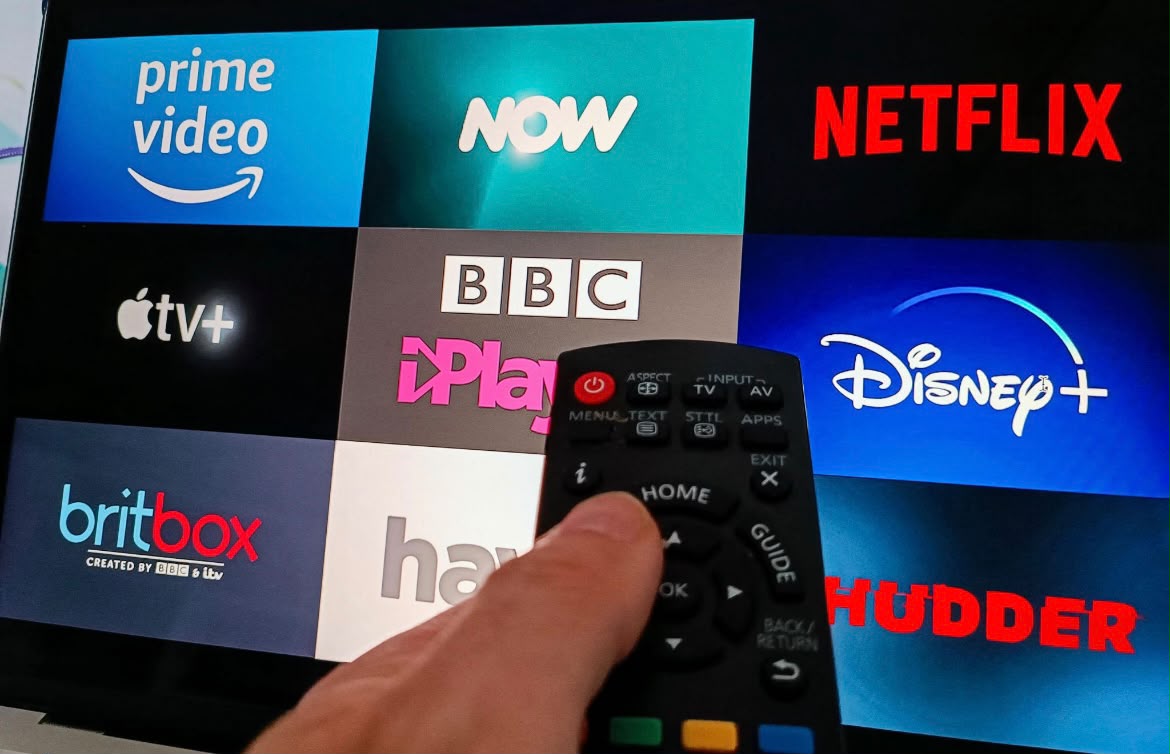
The proposal has already prompted questions about whether people who do not watch BBC content should be expected to contribute towards its funding simply because they use other streaming services.
Some social media users have questioned the idea, with one commenting:
“Netflix and YouTube have nothing to do with the BBC. I’m not paying it!!!”
Another wrote:
“If people aren’t watching the BBC why should they be forced to fund it? Sort your funding out without making it everyone else’s problem.”
The comments reflect concerns about fairness and whether the licence fee should be linked to the services people actually use. Supporters of reform, meanwhile, argue that the existing system needs to adapt to modern viewing habits and the financial pressures facing public service broadcasting.
For now, the proposals remain under consideration. Further details are expected in the Government’s forthcoming white paper, which should provide greater clarity on the future of the TV licence fee and the options being considered for funding the BBC.