
.png)

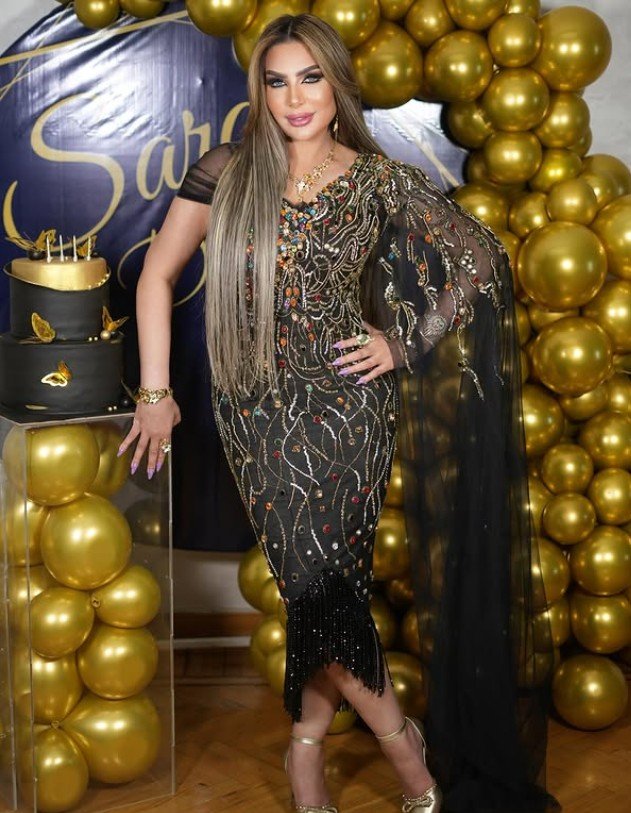
Egyptian television personality Sarah Khalifa is preparing to challenge a death sentence handed down by a Cairo criminal court after being convicted in a high-profile synthetic drug trafficking case that has captured national attention. Khalifa, best known for hosting the crime-focused television programme Mission Impossible on Al-Mehwar TV, was among 12 defendants sentenced to death on Saturday for their alleged involvement in a large-scale network accused of manufacturing and distributing synthetic drugs across Egypt.
The court also imposed fines of 500,000 Egyptian pounds on those receiving death sentences. Nine other defendants were sentenced to life imprisonment, while seven individuals were acquitted.
Following the ruling, Khalifa's lawyer, Mohamed El-Gendy, confirmed that the defence team intends to pursue an appeal and exhaust all available legal options.
Under Egyptian law, the case can be reviewed by a higher criminal court, which has the authority to reassess evidence, reconsider the role of each defendant, and either uphold, reduce, or overturn the sentences. Additional legal challenges could also be brought before Egypt's Court of Cassation.
Before issuing the final verdict, the court followed standard legal procedure by referring Khalifa and 12 co-defendants to Egypt's Grand Mufti for a non-binding religious opinion on the proposed death penalties. Ultimately, 12 of the 13 defendants referred received capital punishment.
Among those sentenced to death was Khalifa's brother, Mohamed Khalifa, who prosecutors identified as being directly involved in the production and testing of the drugs.

The case dates back to April 2025, when Egypt's anti-narcotics authorities announced the discovery of an alleged criminal network importing chemical ingredients used to manufacture synthetic drugs.
Initial police raids on two apartments in Cairo reportedly uncovered approximately 200 kilograms of narcotics, raw materials, and production equipment. As the investigation expanded, prosecutors said total seizures exceeded 750 kilograms.
Authorities allege the organisation operated through a structured network in which members were assigned specific responsibilities, including sourcing chemicals, manufacturing products, storage, transportation, and distribution.
According to investigators, some of the materials were obtained overseas and smuggled into Egypt concealed inside cosmetic products and passenger luggage. Prosecutors claim two suspects based outside Egypt purchased chemical ingredients from China and acquired instructions for producing the substances.
The prosecution further alleged that newly manufactured batches were tested before being packaged and distributed throughout the country.

Prosecutors argued that Khalifa played a financial and coordinating role within the operation, claiming she helped fund activities, travelled abroad to meet senior figures connected to the network, and acted as an intermediary between members.
Investigators also cited digital evidence recovered from her mobile phone. Court documents referenced by local media reportedly included WhatsApp conversations, videos of substances allegedly linked to the case, and communications with other suspects.
In addition, a handwriting analysis concluded that Khalifa authored entries found in a seized notebook containing names, figures, and financial records that prosecutors argued were connected to the alleged drug operation.
Khalifa has consistently denied all accusations and maintains that she had no involvement in the network.

While early media reports described the substances as synthetic hashish, forensic examinations presented during the trial identified them as synthetic cannabinoids—laboratory-produced chemicals designed to mimic some of the effects of cannabis.
Experts warn that synthetic cannabinoids can be significantly more potent and unpredictable than natural cannabis and have been linked to serious health complications, including psychosis, seizures, cardiovascular problems, kidney damage, and death.
One of the substances referenced during the trial was MDMB-4en-PINACA, a synthetic cannabinoid that came under international control in 2021 following recommendations from the World Health Organization due to reports of severe adverse effects and fatalities.
Although defence lawyers argued that the substance was not specifically listed on Egypt's controlled narcotics schedule, a technical committee concluded that it fell under existing drug laws because of its chemical similarities and effects. The court ultimately accepted that interpretation.
Khalifa also received a separate prison sentence on Saturday in an unrelated criminal case.
A Cairo court sentenced the presenter to three years in prison after finding her guilty of assault. Prosecutors alleged that video footage recovered from her phone showed a young man, identified as her driver, being stripped, assaulted, and filmed naked inside her residence.
Three other defendants were also convicted in the case, receiving prison terms ranging from five to seven years.

The death sentences are not yet final, and the appeals process could take months as higher courts review the evidence and legal arguments presented by the defence.
Egypt continues to retain the death penalty for serious drug trafficking offences, though international human rights organisations have repeatedly criticised the use of capital punishment in cases that do not involve intentional homicide.
For now, attention remains focused on the upcoming appeals, which will determine whether Khalifa's sentence is upheld or modified by the courts.
.png)


%20(1).png)
.png)
.jpeg)
.jpeg)
.svg)
.svg)
.svg)