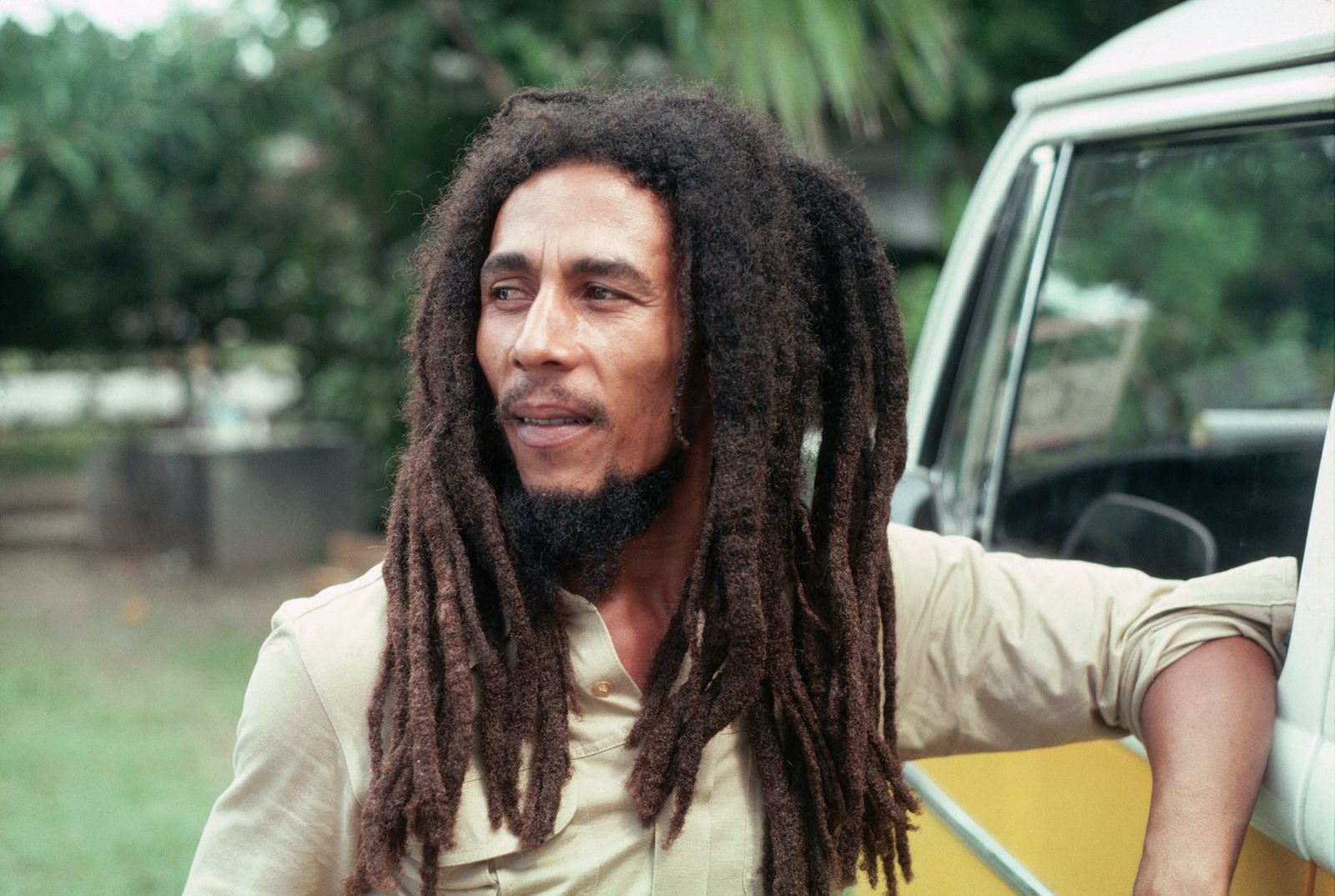

The recent auction of a rare lock of reggae pioneer Bob Marley’s iconic dreadlocked hair has ended without a sale after failing to meet its reserve price.
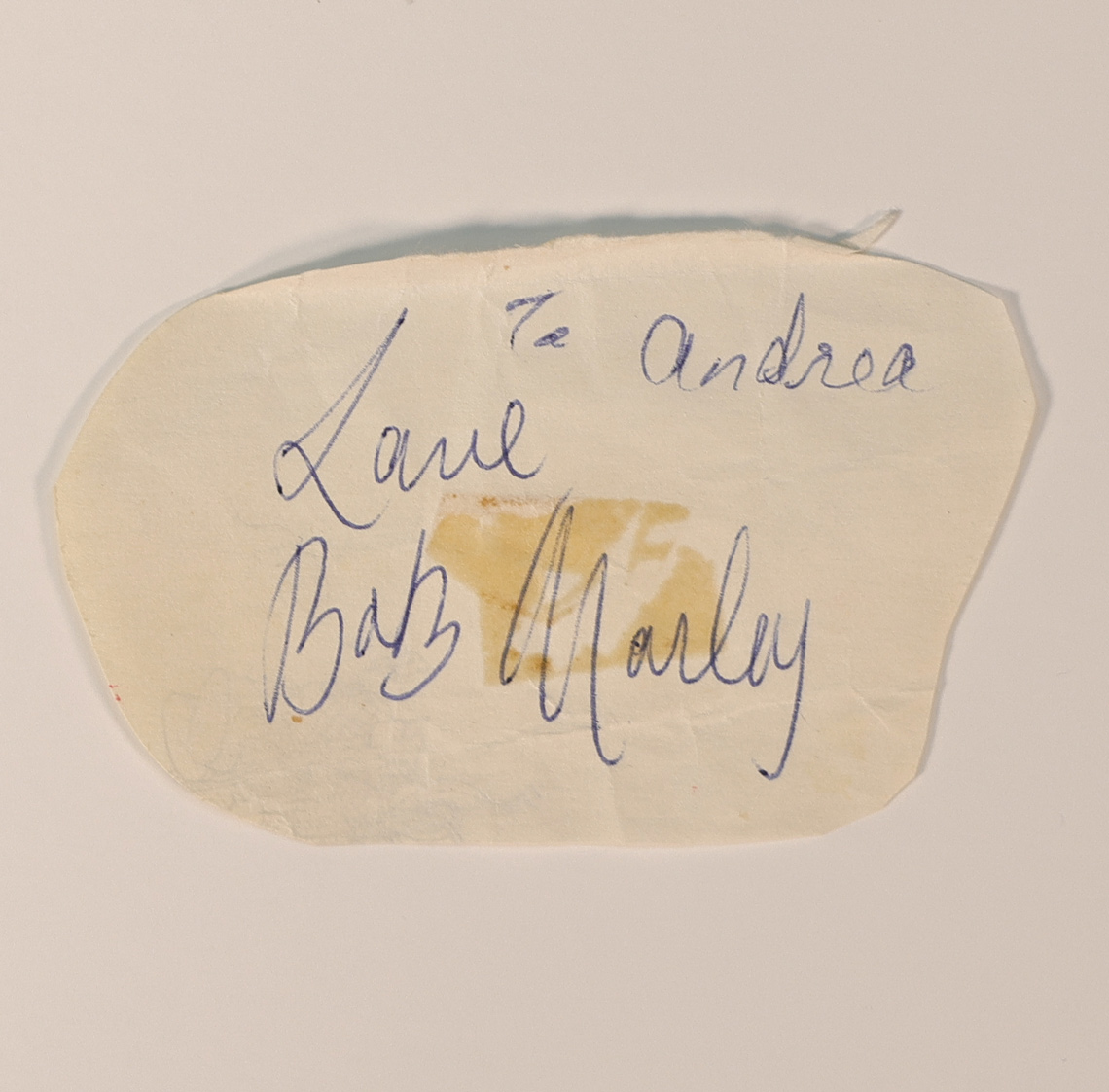
The seller allegedly obtained the lock as a teenage fan during a 1978 recording of Top of the Pops at BBC Television Centre. She also included Marley’s autograph, worth £4,000 alone, in the lot, which she received at the same show on 22 June 1978. She explained how the lock came into her possession, stating:
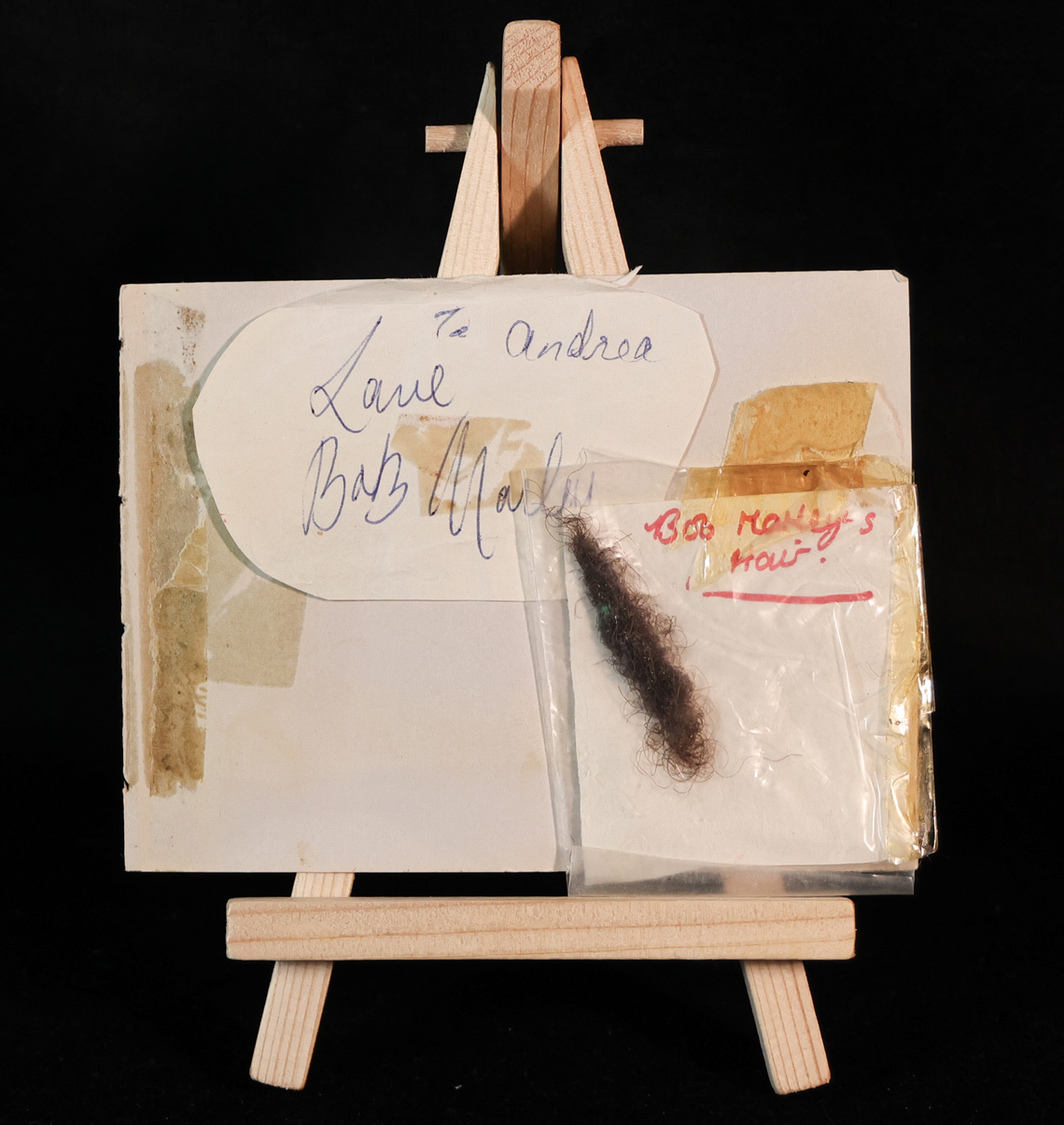
“After Bob Marley had finished singing, myself and a friend went up onto the platform where he was performing. He was chuckling away and I asked if I could take off a piece of his hair. He just kept nodding and chuckling and appeared amused by it so I twisted a piece of his dreadlock off. And he of course gave me his autograph as well.”
The 1.5-inch dreadlock was offered by JC Auctions in Jersey on Thursday 9 April for a starting price of £5,000. However, despite pre-sale estimates of £20,000 to £25,000, the rare lock was “passed” when the highest offer fell short of the seller’s reserve price. Paul Fraser of JC Auctions was vocal about his excitement and expectations for the auction, stating:
“Demand is strong for Bob Marley memorabilia…
He died so young, there just isn’t much around. We’re honoured to bring Bob Marley’s hair to auction. Marley ignited global awareness of Rastafarianism and dreadlocks, and brought the religious significance of the hairstyle to the world’s attention. This lock is the physical embodiment of that legacy. We’re seeing a real boom in hair collecting. Collectors love owning a genuine part of their heroes.”
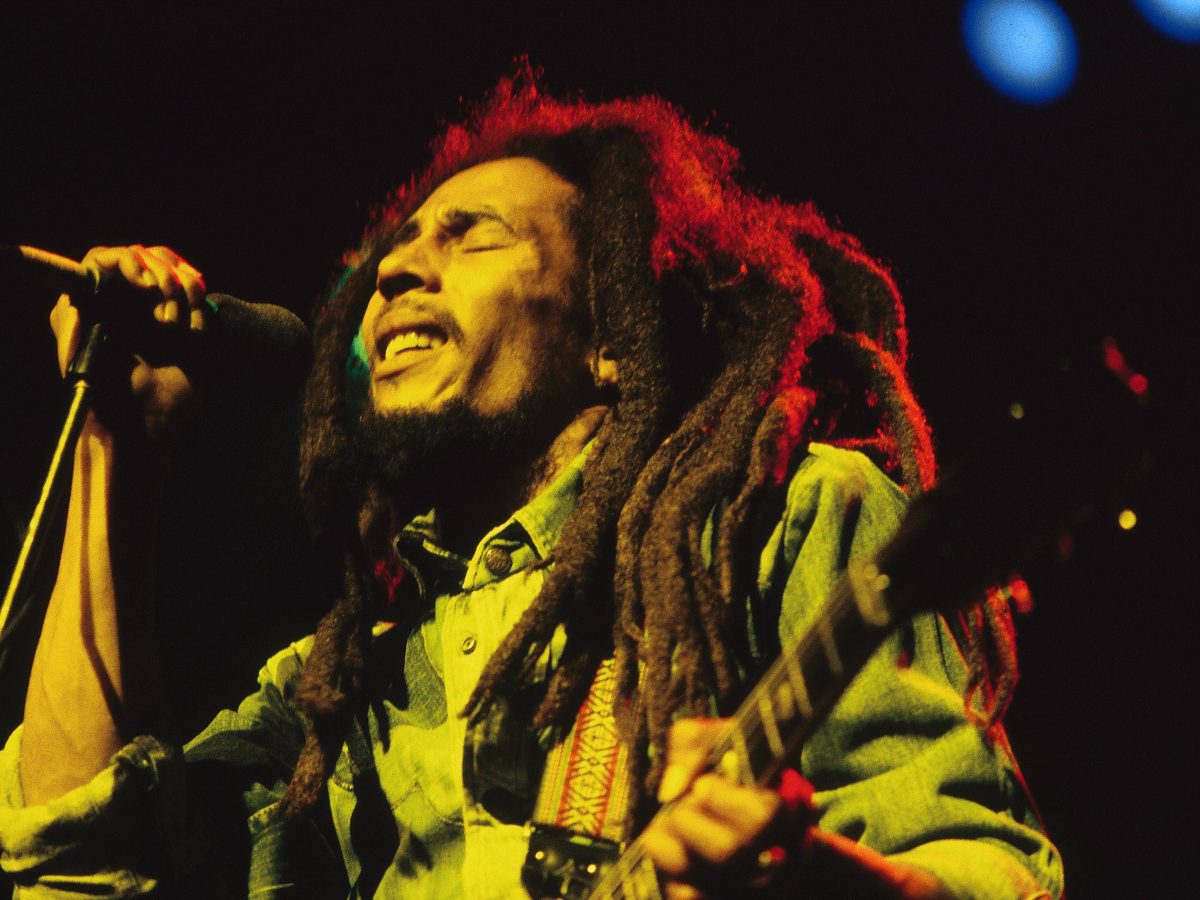
Bidding started at £5,000, but the bid remained at only £6,000, with two bidders already in place about an hour before the auction ended.
Excitement about the potential sale was premature. It is hard to say for certain whether the disappointing result was due to the failure of the auction itself or other factors. The lock was not the only item to fail to meet expectations, with Hollywood star John Wayne’s signed marriage certificate selling for £850 against a £1,500 to £2,000 estimate, and a signed cutting linked to Neil Armstrong, the first man to walk on the moon, selling for just £750 against a £5,000 to £6,000 estimate.
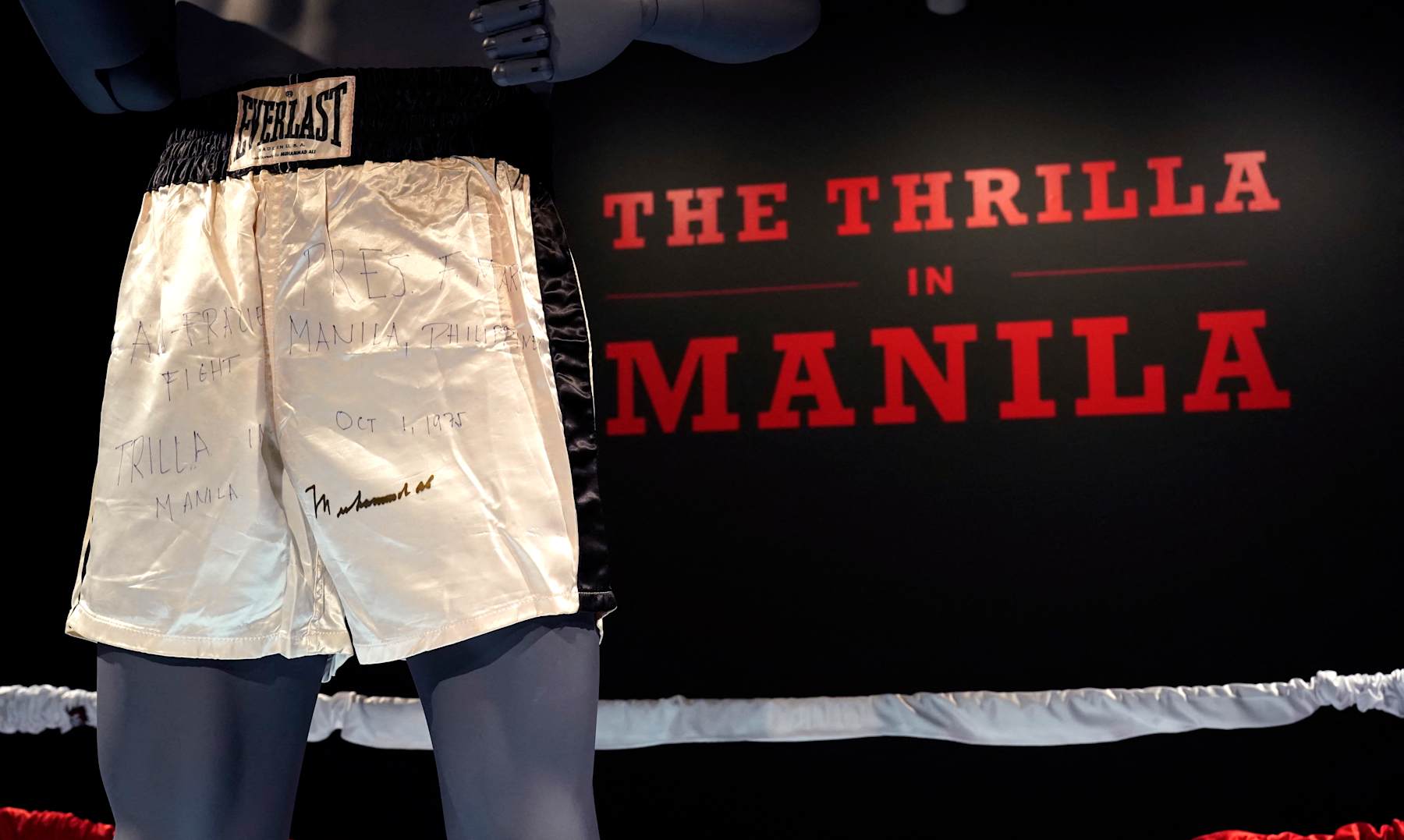
A number of other items, including Muhammad Ali’s worn training trunks, Madonna’s signed lingerie, and a Beatles autograph set, were also passed.
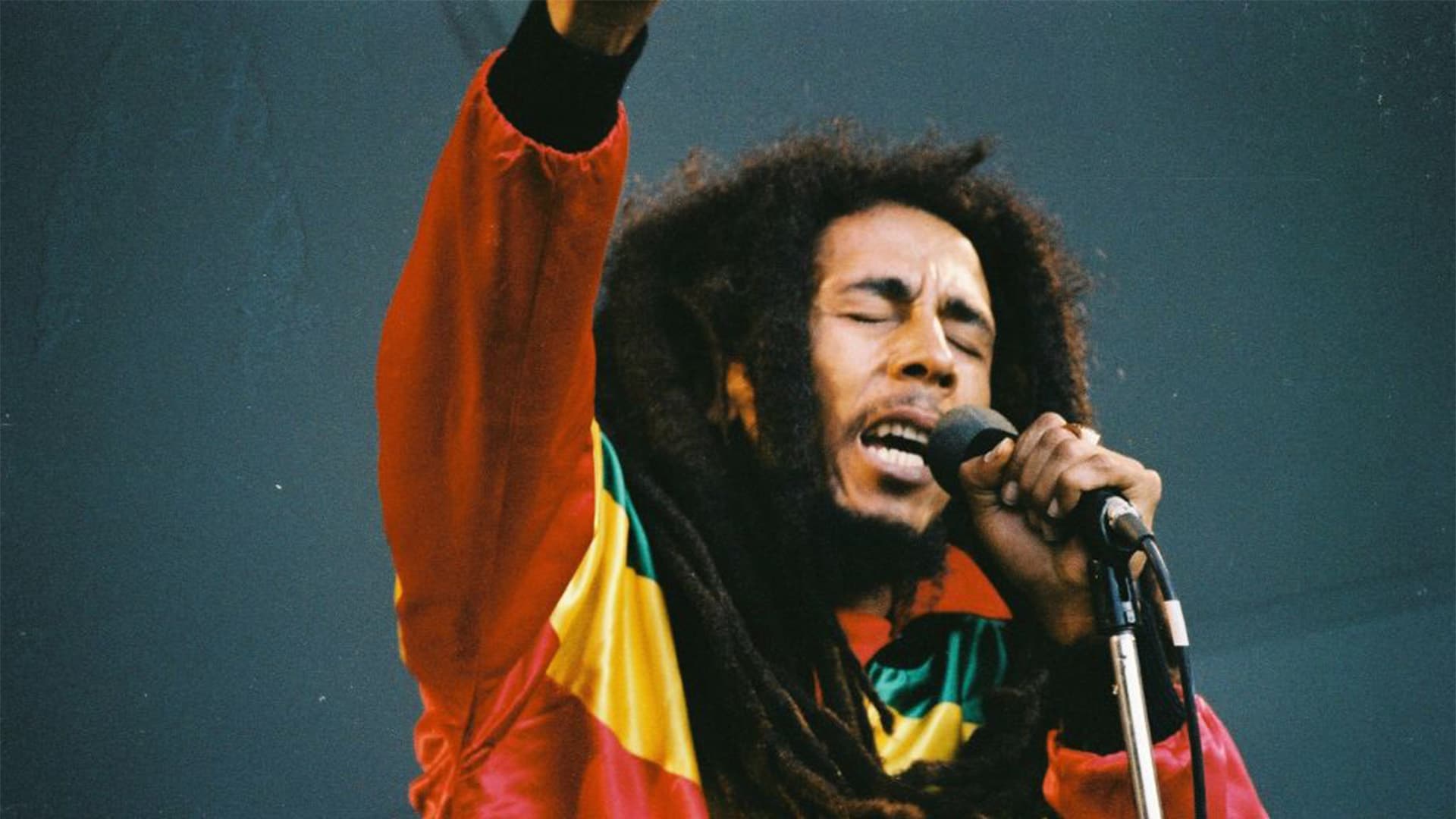
However, some of Bob Marley’s fans weighed in on the debate after the lock of hair received viral notoriety. Many fans argued that the lock did not sell because real Marley fans know this is not what he would have wanted. Some of his fans, who share in his Rastafarian spirituality, which he was famous for uplifting, acknowledged that hair, especially dreadlocks, is deeply significant in Rastafari culture. While it is not universally forbidden, the preservation and sale of Marley’s hair would generally be considered something that should only be done with clear consent while the person is alive or with strong cultural or family approval.
.png)



.png)
.svg)
.svg)
.svg)