
The BBC has suggested the cost of the UK TV licence fee could be reduced in the future if more households begin paying it.
The broadcaster indicated that lowering the price of the licence could be part of a broader effort to encourage more people to contribute, as the number of households currently paying the fee continues to fall across the UK.
In recent years, the BBC has seen a steady decline in licence fee payments, prompting the organisation to reassess its long term funding model and explore potential reforms.
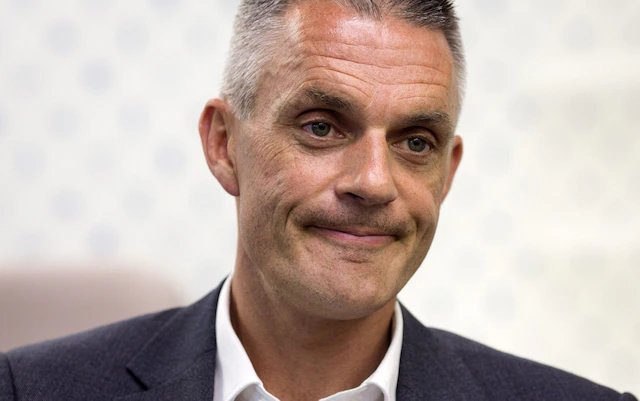
Speaking about the issue, Director-General Tim Davie warned that the organisation faces a critical moment.
“The choice here is clear: back the BBC or watch it decline. The status quo is not an option,” Davie said.
“Clear decisions are needed to ensure the BBC is funded sustainably and fairly so it can continue to deliver for audiences and for the country.”
Despite the falling number of paying households, the BBC says its services remain widely used across the UK. According to the corporation, around 94 percent of adults use its platforms each week across services such as BBC iPlayer and BBC Sounds.
However, the proportion of households paying the licence fee has dropped to around 80%, and the broadcastr expects the downward trend to continue in the coming years.
Because of the decline in revenue and increasing operating costs, the BBC has confirmed it will need to cut a further £500 million in spending over the next two years.
The broadcaster also acknowledged it will continue trying to improve efficiency and deliver better value for money, but warned that internal savings alone will not be enough to close the funding gap.
Among the proposals being explored is the possibility of opening BBC iPlayer to other public service broadcasters such as ITV and Channel 4, allowing their content and commercial services to appear on the platform. Similarly, BBC Sounds could potentially be opened to third party UK audio providers as part of a wider digital strategy.
.png)


.png)
.png)
.png)
.svg)
.svg)
.svg)