.png)

Body-worn camera footage has revealed the tragic final moments of 18-year-old student Henry Nowack, who repeatedly told police he had been stabbed and was struggling to breathe as officers handcuffed and arrested him moments before his death.
The incident took place on December 3, 2025, after a confrontation outside a property escalated into violence. Court proceedings heard that 23-year-old Vikrum Digwa stabbed Nowack multiple times before attempting to portray himself as the victim when police arrived on the scene.
Digwa allegedly told officers that he had been subjected to a racist attack, a claim that was later found to be false. As police responded to the incident, their attention was directed towards Nowack, who was visibly injured and in distress.
Footage shown during court proceedings captures a distressed Nowack pleading with police as he lay injured on the ground. Despite repeatedly telling officers he had been stabbed, one officer can allegedly be heard responding:
"I don't think you have, mate."
The footage reportedly shows Nowack struggling to breathe, telling officers he was seriously injured and asking for help while handcuffed. Officers instead focused their attention on Nowack, treating him as a suspect rather than a victim, while Digwa's account of events appeared to be accepted in the immediate aftermath.
It later emerged that Nowack had suffered multiple stab wounds to his legs, alongside a fatal wound to the heart. The attack was carried out using a 21cm blade that Digwa claimed he carried as part of his Sikh faith. Prosecutors argued that the weapon was used with devastating force, ultimately causing injuries that proved fatal despite emergency medical intervention.
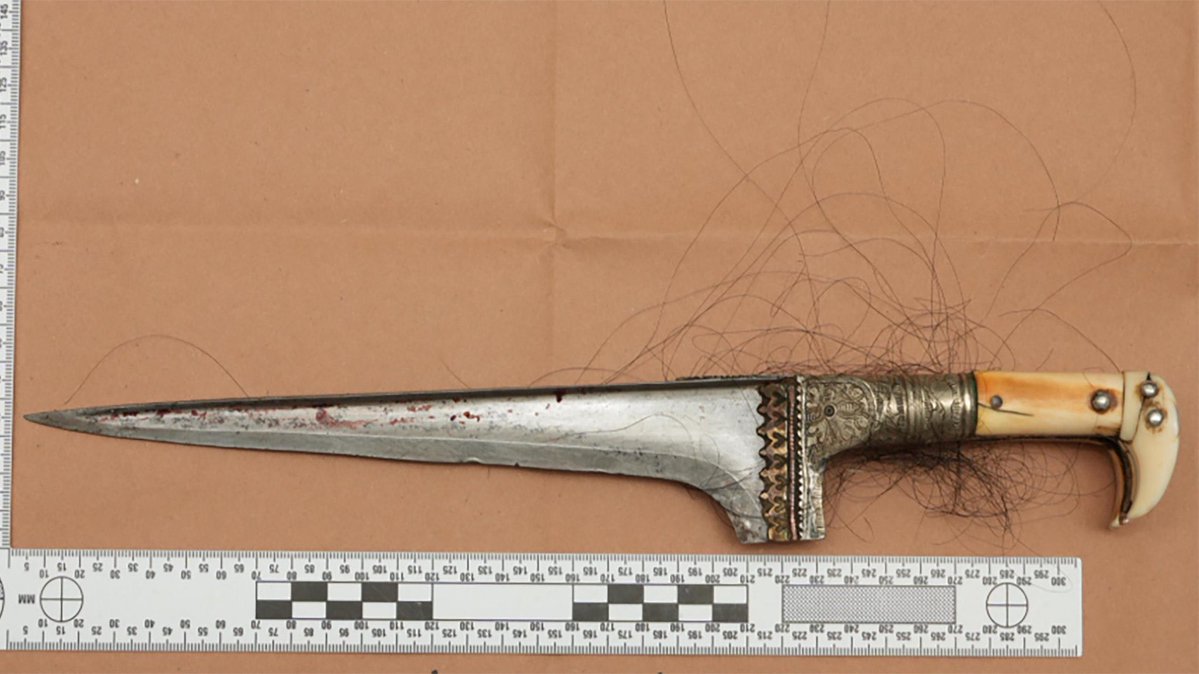
The case has sparked significant public outrage, with many questioning how officers failed to recognise the severity of Nowack's injuries despite his repeated cries for help. Critics argue that police placed too much weight on Digwa's version of events and ignored clear signs that Nowack required urgent medical assistance. The bodycam footage has since fuelled calls for greater accountability and a review of how officers assess victims and suspects at violent crime scenes.


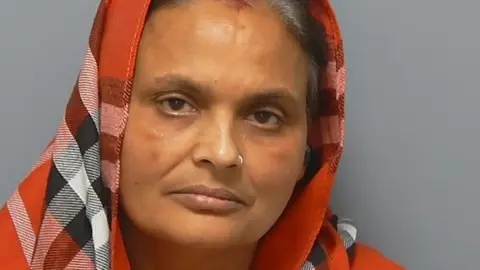
Adding to the controversy, Digwa's mother was also charged in connection with the aftermath of the incident after being accused of attempting to pervert the course of justice. Prosecutors alleged she took steps to assist her son following the stabbing, leading to separate legal proceedings. The allegations have further intensified scrutiny surrounding the circumstances of the killing and its aftermath.
The wider Sikh community has also publicly condemned Digwa's actions, distancing themselves from his conduct and stressing that his actions should not be associated with Sikh beliefs. Community representatives expressed condolences to Henry Nowack's family and emphasised that carrying a blade for religious reasons does not justify its use in an act of violence. Many also voiced concern that the case could create harmful misconceptions about the Sikh faith.
Digwa was ultimately found guilty of murder and sentenced to life imprisonment, with a minimum term of 21 years before being eligible for parole.
The case continues to raise difficult questions about police decision-making, with many arguing that Nowack's repeated warnings were ignored in his final moments. The footage has prompted widespread debate about whether a different response from officers could have led to faster medical treatment and potentially changed the outcome of that night.
.png)


.png)
.jpeg)
.svg)
.svg)
.svg)