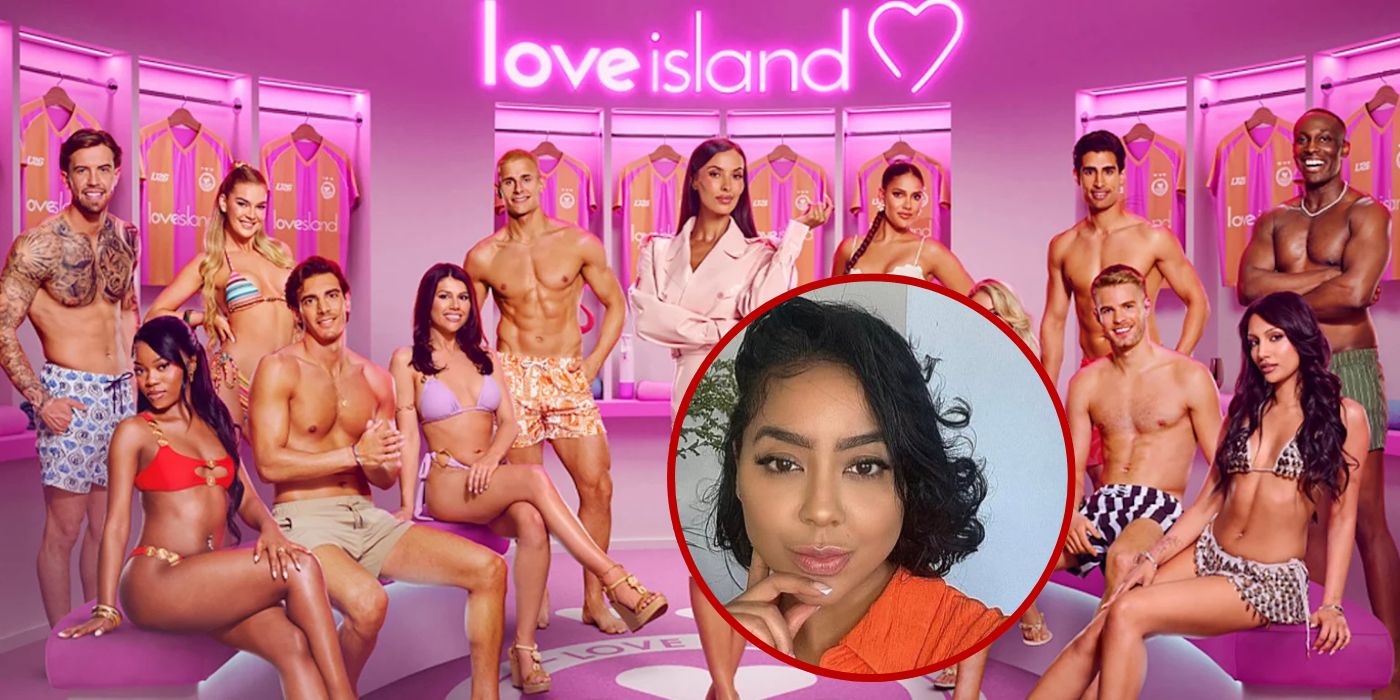

Broadcaster Lin Mei has sparked fresh debate online after weighing in on the ongoing conversation around ethnic representation in entertainment, particularly reality television.
In a post on X, Lin Mei suggested that some ethnic communities are less concerned with representation in mainstream media, arguing that self-worth and achievement in other areas of life can reduce the need for validation through television.
“When you have so much going for you, know your self worth and have an abundance of ownership in other areas in your life, you don't cry about representation in shows like this. Middle Eastern people, Chinese, Japanese, Sri Lankan, Pakistani, Indian do not feel they need to be represented in the 4 corners of entertainment. And it has to be due to a lack of ownership elsewhere.”
.jpeg)
The comments quickly gained traction online, with many users weighing in on both sides of the debate. One user responded:
“Love Island UK died after S10. Why? bc they refuse to cast diversity w depth but rather token POC as a checkbox to meet their diversity quota. They don't make an intention to hire men who are open to dating women of any racial background, resulting in the isolation of WOC/BWOC!”
.jpeg)
The discussion comes amid long-running criticism of Love Island’s casting process, with viewers and commentators frequently arguing that the show has struggled to maintain meaningful diversity in recent seasons. Some fans have suggested that earlier seasons, which featured a more varied mix of contestants and relationship dynamics, were more engaging for audiences.
Season 5 is often cited in online discussions as a standout example of the show at its peak, featuring contestants such as Molly-Mae Hague, Amber Rose Gill and Ovie Soko. That series produced a range of strong personalities and widely discussed moments, with Ovie in particular becoming a fan favourite due to his calm presence and respectful approach, while Amber’s eventual win was seen as a defining cultural moment for the show. Viewers often point to this season as one where casting felt more balanced, with a wider variety of romantic pairings and storylines that kept audiences invested throughout.
.jpeg)
By contrast, Season 10 has also been heavily referenced in conversations around representation and casting choices. That series included Whitney Adebayo, Tyrique Hyde and Mehdi Edno, and sparked debate over how effectively contestants of colour were integrated into the villa’s wider relationship dynamics. While Whitney was widely praised for her confidence and personality, and Tyrique for his charisma and central storyline presence, some viewers felt the season still exposed ongoing issues around coupling patterns and how certain contestants were positioned within the narrative of the show.
.jpeg)
Others, however, have pushed back on Lin Mei’s stance, arguing that representation is not about “crying” for inclusion, but about challenging structural patterns in media and ensuring that no group feels excluded from mainstream cultural spaces. One commenter wrote:
“It's true why do WE wanna be so involved in this show? If it's not for us then it's not for US.”
Another commented,
“The problem with her stance in my opinion is that she assumes representation is only about validation or "crying" for inclusion. Representation isn't about needing to see yourself in every TV show; it's about challenging the idea that certain spaces belong to some groups more than others.”
A third commented,
“Love Island needs to bring a variety of men and men who are also attracted to a variety of women because black women are found attractive by men! Love Island USA seems to be able to cast a variety of men who are attracted to variety women including black women!”
As the debate continues, Love Island once again finds itself at the centre of conversations around race, dating preferences and how reality television reflects modern Britain. The question now is whether producers will respond to the criticism, or continue with their current casting approach heading into future seasons.
.png)


.png)
.png)
.png)
.svg)
.svg)
.svg)