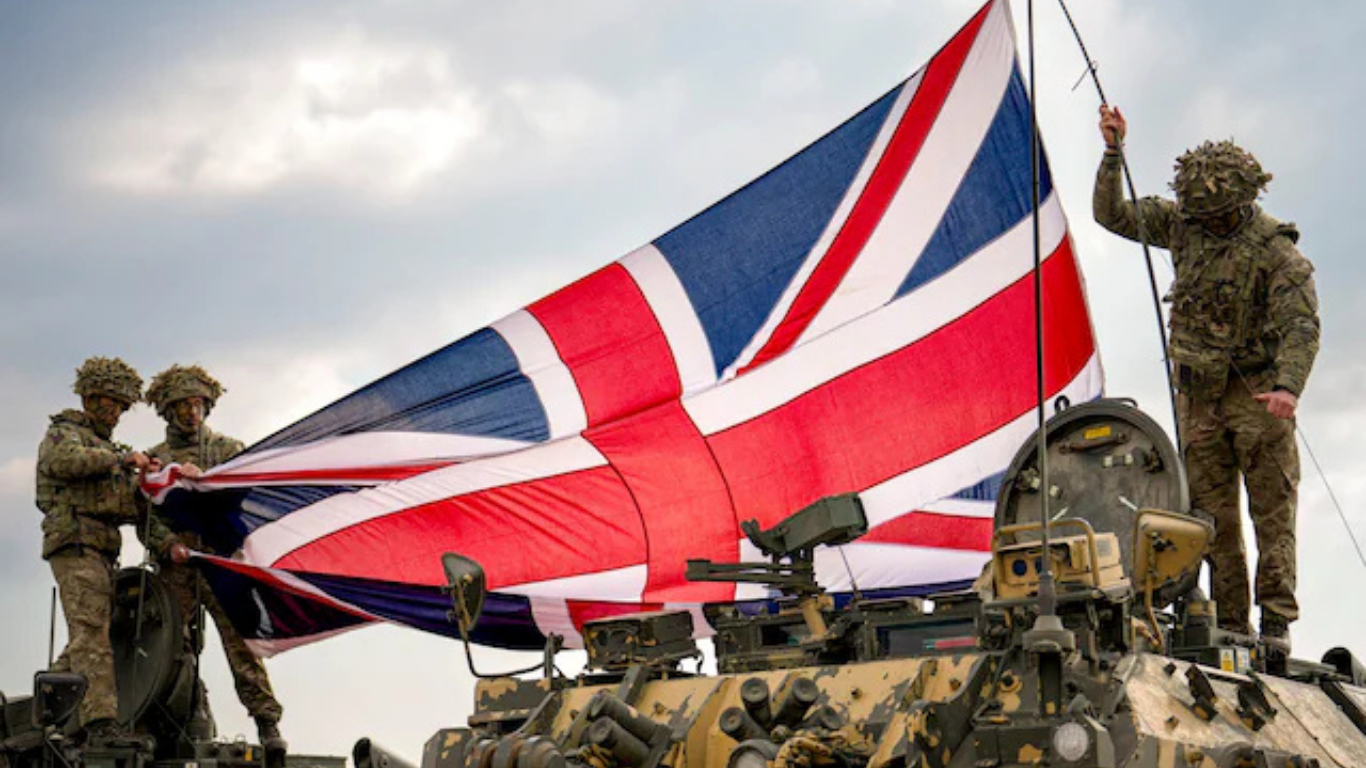

The UK government is reportedly working on a renewed, modernised strategy aimed at preparing the entire nation for the possibility of conflict. The updated framework would not only involve the armed forces, but also extend to emergency services, healthcare systems, infrastructure, and key industries—marking a broad, society-wide approach to national defence.
Speaking at a defence conference in London, the head of the armed forces explained that this revised plan draws inspiration from Cold War-era preparedness models but is being adapted to reflect today’s realities. The goal is to strengthen resilience across a modern society that depends heavily on complex infrastructure and interconnected systems.
The original “war book” concept—developed in the early 20th century—outlined detailed procedures for mobilising both military and civilian resources during times of crisis. Historical versions included contingency plans for everything from closing schools and reorganising hospitals to rationing supplies and safeguarding cultural assets. The new version is expected to revisit these ideas while addressing contemporary threats, including cyber risks and supply chain vulnerabilities.
Alongside these preparations, officials highlighted growing tensions involving maritime enforcement. The UK has signalled its willingness to act against sanctioned vessels linked to Russia’s so-called “shadow fleet.” Even without direct intervention so far, authorities say the warning alone has already influenced ship movements, with some vessels being rerouted or escorted away from British waters.
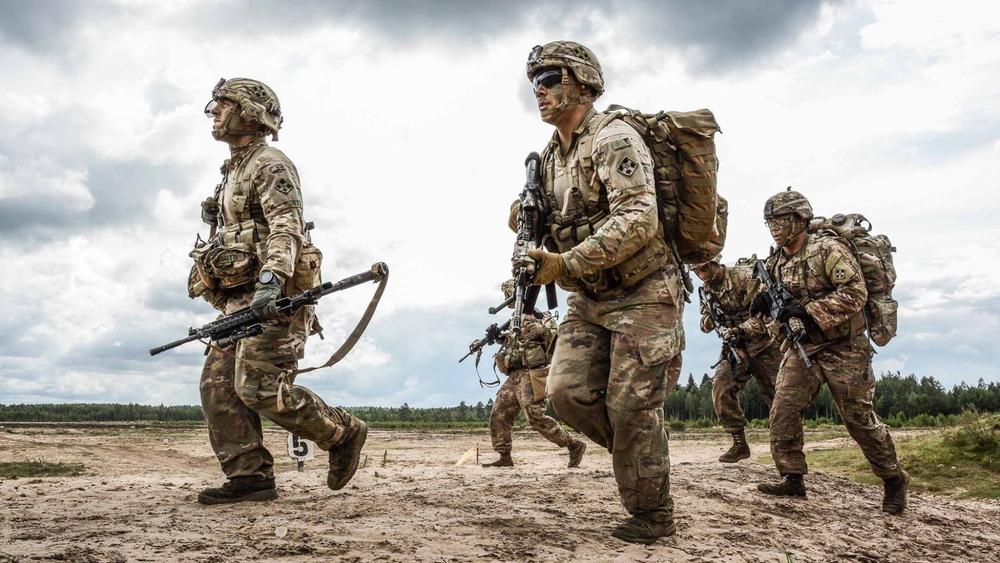
However, a major challenge remains: rebuilding military capability after decades of reduced spending following the end of the Cold War. Efforts to return the Royal Navy, Army, and Royal Air Force to a higher state of readiness are ongoing, but uncertainty continues around a long-awaited defence investment plan. The delay has left parts of the defence industry in a holding pattern, awaiting clarity on funding and future procurement.
Officials insist that securing proper financial backing is essential before finalising the plan, even if it means taking more time to get it right.
As news of increased war preparedness circulates, public attention has turned to military pay—sparked by a viral social media post highlighting an army recruitment advert offering a starting salary of £26,000.
The post quickly gained traction, with many questioning whether the compensation reflects the risks involved. Responses online captured a mix of frustration, sarcasm, and scepticism: One Resident wrote on our TSB Instagram page, “A salary starting with ‘2’ in 2026 is actually wild ngl, very unfair.” Another added “They need to hire all dem gamers who play Call of Duty 24/7 cos they all act like they ready for it in real life lool.” A third chimed in, “Just imagine getting paid £26k to risk your life for a war you don't believe in meanwhile the leaders are sending their own children to kushty public schools.”
The renewed planning effort suggests a shift in how the UK approaches national security—moving from a purely military focus to a whole-of-society model. But as policymakers look to strengthen readiness, public opinion—especially around fairness, pay, and long-term support for service members—may play an increasingly important role in shaping the success of that strategy.
.png)



.png)
.png)
.svg)
.svg)
.svg)