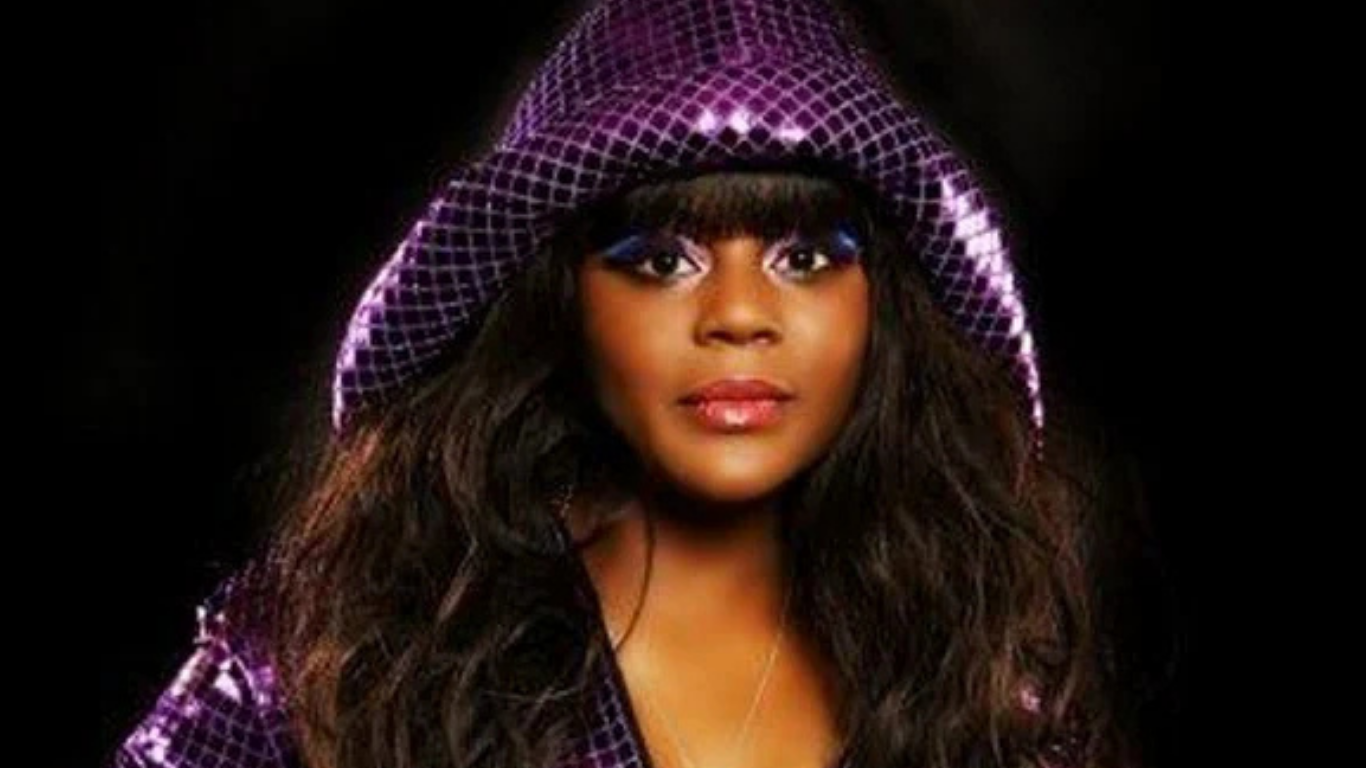

In 2004, teenagers and young adults around the country were vibing to 'Heartbroken' by T2 ft Jodie Aysha. While still at school herself, Aysha wrote the lyrics inspired by her sister’s breakup. The song reached No.2 in the UK charts, remained in the Top 40 for 46 weeks, and even climbed into the top 10 of the US dance charts. For Aysha, the early success was surreal.
Hearing her voice played widely gave her hope that a career in music was within reach. What seemed like the beginning of a dream, however, soon took a far more troubling turn. Now 37, the Leeds-born songwriter says the track that introduced her to the world has also brought years of emotional strain. She describes living with severe anxiety and depression, compounded by an ongoing legal dispute over the song’s ownership and royalties. Despite its success, she claims she has never received any payment from it.

The conflict dates back to 2005, when Aysha performed the track for producer T2 at his flat. She says her vocals were later used to create a bassline version of the song, which was released in 2007 under his name. According to Aysha, she declined an offer of £1,500 for the rights. Despite her refusal, the track was released—sparking a legal battle that continues today.
Aysha maintains she is the sole writer of the song, arguing that the released version was simply a remix of her original work. In 2013, a significant ruling appeared to support her claim. The court found that she was indeed the author of Heartbroken, and that its release had infringed her performer’s rights. For a moment, it seemed like long-awaited recognition. But the dispute did not end there.
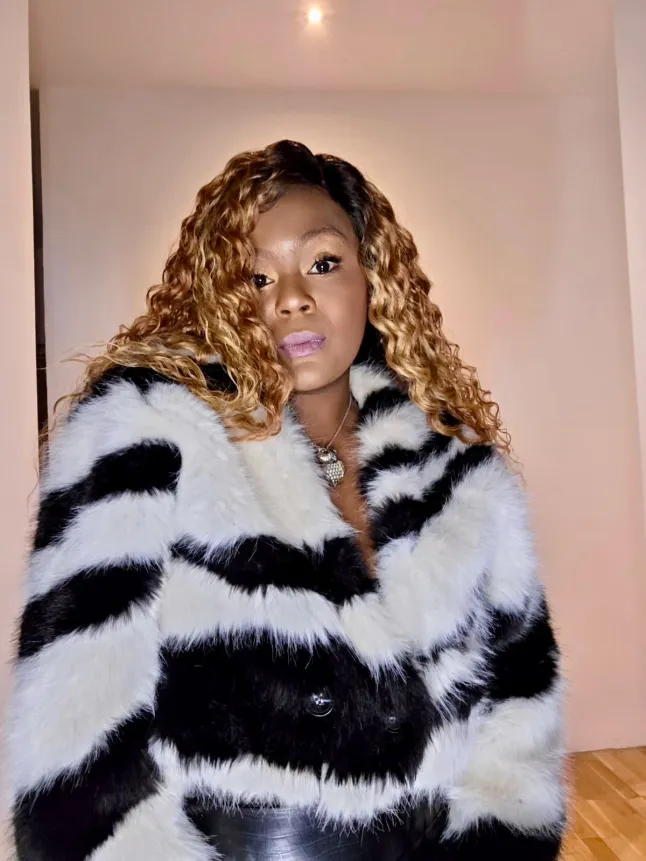
Years later, in 2023, during a period marked by financial hardship and personal loss following the death of her younger sister, Aysha says she signed a settlement agreement. The deal reportedly granted 50% of her copyright to T2, with the expectation of a £100,000 payment from Sony Music Publishing. She now claims that payment never materialised.
Aysha describes feeling vulnerable at the time, overwhelmed by grief and unable to continue costly legal proceedings alone. Believing she had little choice, she agreed to settle. However, she says she was later told she was not entitled to any money, leaving her feeling misled and exploited. This has led to a new legal case, with Aysha now pursuing Sony Music Publishing in an effort to recover what she believes she is owed, including alleged unpaid royalties accumulated over the years.
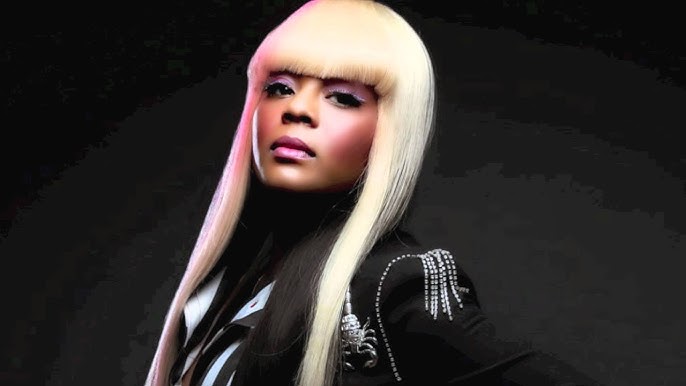
Beyond the courtroom, she says the emotional toll has been profound. One of the most painful experiences, she explains, has been seeing versions of her song released without her involvement—some not even featuring her voice or crediting her as the creator, despite generating millions of streams. She also alleges that the dispute has brought personal distress beyond legal pressures, claiming she and her family have faced threats over the years, including demands that she relinquish the copyright to her own work.
Despite everything, Aysha continues to push forward. She describes resilience as essential—not just for her career, but for her sense of justice. Through grief, legal battles, and years of uncertainty, one thing has remained constant: her refusal to give up on the song she says is rightfully hers. And, she says, it is a message from her late sister that continues to guide her—one she carries with her as she returns once again to court, determined to see the fight through to the end.
.png)


.png)
.png)
.png)
.svg)
.svg)
.svg)