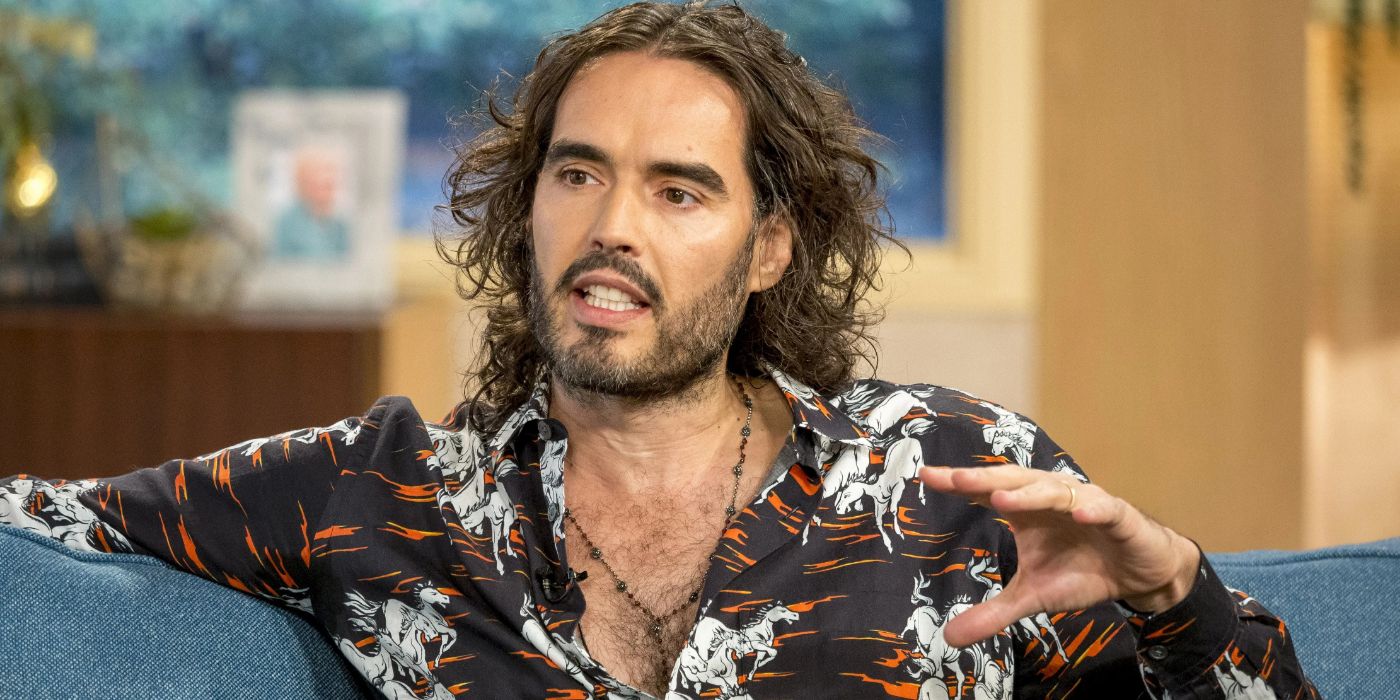

Russell Brand has publicly admitted that he had sex with a 16-year-old when he was 30, describing the encounter as "exploitative" as he reflected on his past behaviour during a recent interview.
The comedian and actor made the comments while speaking about his life at the peak of his fame, a period he now characterises as marked by immaturity and poor judgement. Although the encounter was within the legal age of consent in the UK, Brand said he now believes the situation involved a significant imbalance of power.
"I did sleep with a 16-year-old when I was 30," he said, adding that he was "an immature 30-year-old."
.jpeg)
Brand explained that his status at the time contributed to dynamics he now views as problematic. He pointed to the influence of fame and the ability it gave him to attract partners, suggesting that this created circumstances where genuine equality in relationships was difficult to maintain.
"Consensual sex... when there is a strong power differential... I think involves exploitation," he said.
The admission forms part of a broader reflection on his past conduct. Brand described his behaviour during that period as self-centred, acknowledging that he did not adequately consider the impact of his actions on others.
"I recognise that my sexual conduct in the past was selfish," he said, adding that he had not given enough thought to "how that sex was affecting other people."
.jpeg)
Brand's remarks come as he faces multiple allegations of rape, sexual assault, and indecent assault in the UK, all of which he has denied. The allegations relate to incidents said to have taken place between 1999 and 2009 and involve several women.
Legal proceedings are ongoing, with a trial expected later this year. Brand has pleaded not guilty to all charges and continues to maintain that his past relationships were consensual.
The discussion has also renewed attention on the issue of consent and power imbalance, particularly in cases involving public figures. While the age of consent in the UK is 16, questions around influence, status, and vulnerability remain central to ongoing public debate.
.png)


.jpeg)
.jpeg)
.jpeg)
.svg)
.svg)
.svg)